California gave $50M to a fraud-plagued EV firm, but why?

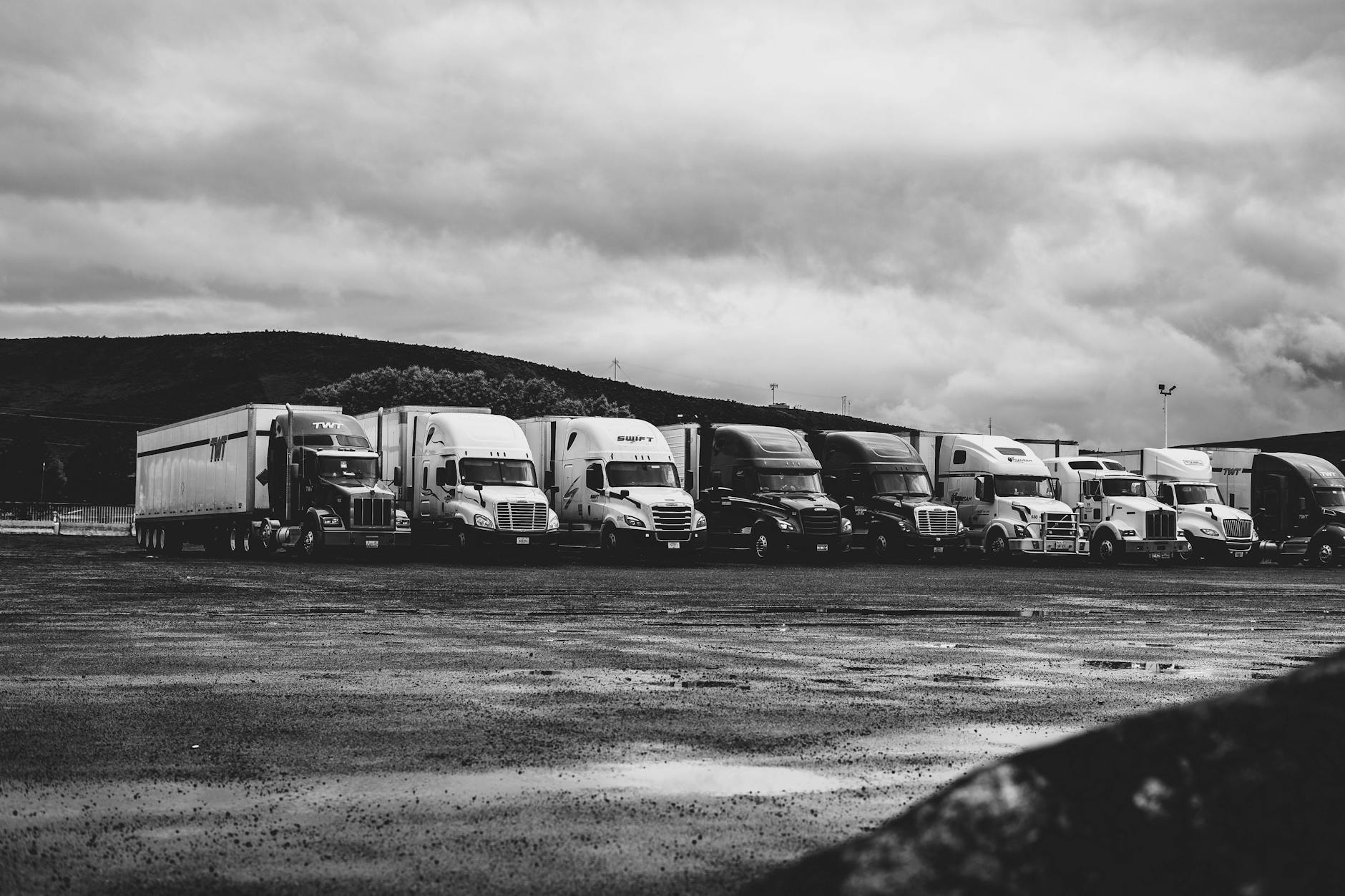
California’s ambitious Clean Truck and Bus Voucher Incentive Project, designed to accelerate the adoption of zero-emission vehicles and combat pollution, allocated over $50 million to Nikola Corp. for electric and hydrogen-powered semis. This funding occurred even after Nikola's founder and former CEO, Trevor Milton, was criminally indicted for fraud related to the company's false claims about its technology. Despite the state's efforts to advance electrification, Nikola later went bankrupt, leaving customers with unreliable trucks and raising serious questions about the oversight of public funds in critical environmental initiatives. The incident underscores the importance of stringent vetting in programs vital for climate action.
Nikola Corp., once touted as a rival to Tesla, captivated investors with grand claims of groundbreaking hydrogen-powered semi-trucks and a vast production facility. However, these promises were built on a foundation of deceit; the Nikola One truck was never fully functional, and the company never developed the claimed hydrogen infrastructure. Its founder, Trevor Milton, was later criminally indicted in 2021 and the company faced a costly settlement for making false statements.
Despite these serious issues, the California Air Resources Board (CARB) allowed Nikola to participate in its Clean Truck and Bus Voucher Incentive Project in 2022. State officials ultimately paid more than $50 million to help customers purchase 166 of Nikola's vehicles. This program, vital for reducing pollution from California's heavy-duty transport sector, aims to accelerate the shift away from fossil fuels to cleaner electric and hydrogen solutions, directly impacting air quality and global warming.
Less than three years later, Nikola collapsed and filed for bankruptcy in February 2025. Many of its trucks faced recalls for fire-prone batteries and hydrogen tank issues. This left customers, including major logistics companies and school districts, without vehicle warranties, limited spare parts, and unexpected maintenance costs. This situation highlights a critical challenge for clean energy transitions: ensuring that the solutions we back are not only innovative but also reliable and ethically sound.
A recent analysis found that nearly 1 in 4 automakers participating in California's $1-billion clean truck program have since failed or exited the market, raising concerns about the vetting process. Critics argue that CARB and its partners failed to properly scrutinize manufacturers. While CARB maintains that Milton's legal issues did not affect the vehicles' eligibility after his departure, experts like Nate Anderson of Hindenburg Research, who originally exposed Nikola's fraud, believe state officials should have been more vigilant. This controversy underscores the need for robust oversight and accountability to protect public funds and maintain confidence in clean transportation initiatives essential for addressing climate change.
For customers like Jennie Abarca of King Fio Trucking, who bought Nikola trucks with incentives to reduce her company's emissions, the experience has been challenging, though she remains committed to electrification. The company Hyroad Energy has since acquired Nikola's intellectual property and offers some support, but cannot honor original warranties. The push for electrification is crucial for a sustainable future, but this incident serves as a stark reminder that the journey to cleaner air and a stable climate demands not just investment, but also unwavering integrity and careful management of public resources.