California Governor Shifts Stance on Utility Wildfire Costs

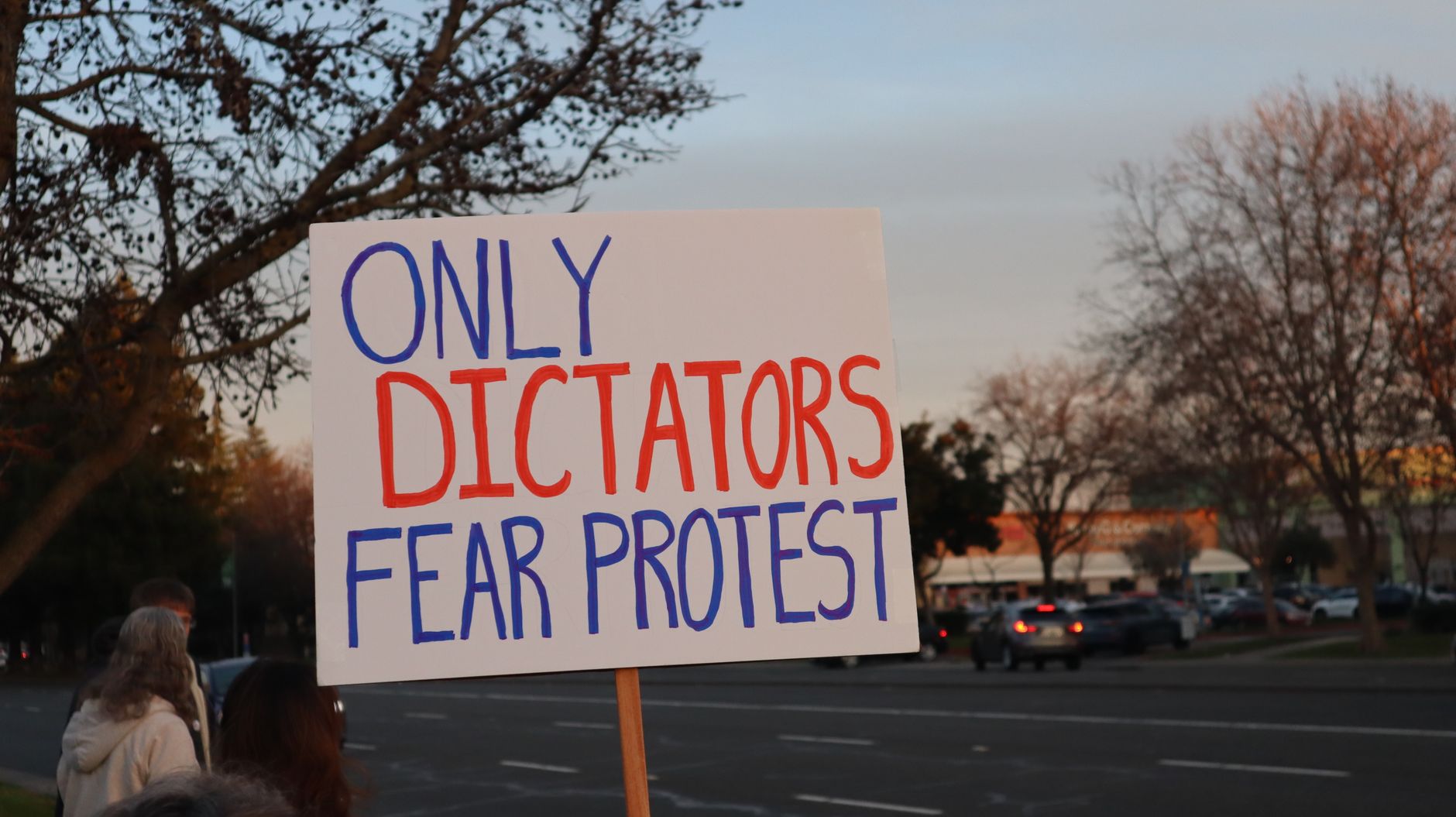
California Governor Gavin Newsom has significantly altered his plan regarding utility-sparked wildfire liabilities, backing down after weeks of protests from wildfire survivors and critics. The initial proposal, which would have shifted more costs to insurers and reduced payouts for victims, faced strong opposition, labeled as a "corporate bailout." A revised bill now aims to streamline payments for fire victims, curb profits for hedge funds on claims, and introduce new measures for utility accountability, particularly concerning executive bonuses. This shift underscores the growing pressure to protect communities from devastating fires, increasingly worsened by climate change, and ensure utilities bear fair responsibility.
California Governor Gavin Newsom has reversed course on major parts of his controversial plan concerning utility-sparked wildfires, following widespread protests and intense negotiations. The initial proposal, which sought to shift more of the financial burden to property insurers and potentially reduce compensation for fire victims, drew fierce criticism from those who called it a corporate bailout. Wildfire survivors, many still recovering from devastating losses, actively campaigned against the proposed changes, demanding utilities and their shareholders take full responsibility.
In a late-night agreement with lawmakers, a new bill was introduced that focuses on different approaches. It aims to speed up payments to wildfire victims through a new state program. Additionally, the legislation seeks to prevent hedge funds and private equity firms from profiting from wildfire claims by limiting certain attorney fees. This change comes after instances where such firms sought to buy claims against utilities involved in major fires.
A key aspect of the revised plan involves strengthening accountability for utility companies. The bill specifies that top executives won't receive short-term bonuses after a fire that damages 500 or more structures. This is a significant step towards ensuring utility leadership is directly incentivized to prioritize safety and prevention, especially as climate change continues to fuel more extreme and destructive wildfires. For too long, preventable failures, like the electrical arcing from an unused power line that caused the deadly Eaton fire, have devastated communities.
While Governor Newsom acknowledged this as "real progress," he stressed the need for further "full structural reform" to secure wildfire funding, stabilize electricity rates, and ensure victims are never again left vulnerable in bankruptcy proceedings. This ongoing effort highlights the critical importance of robust and well-maintained energy infrastructure as California grapples with the escalating threat of wildfires in a warming world, emphasizing collective action to protect lives and the environment.