California Lawmakers Target Soaring Oil Profits: What's Next?

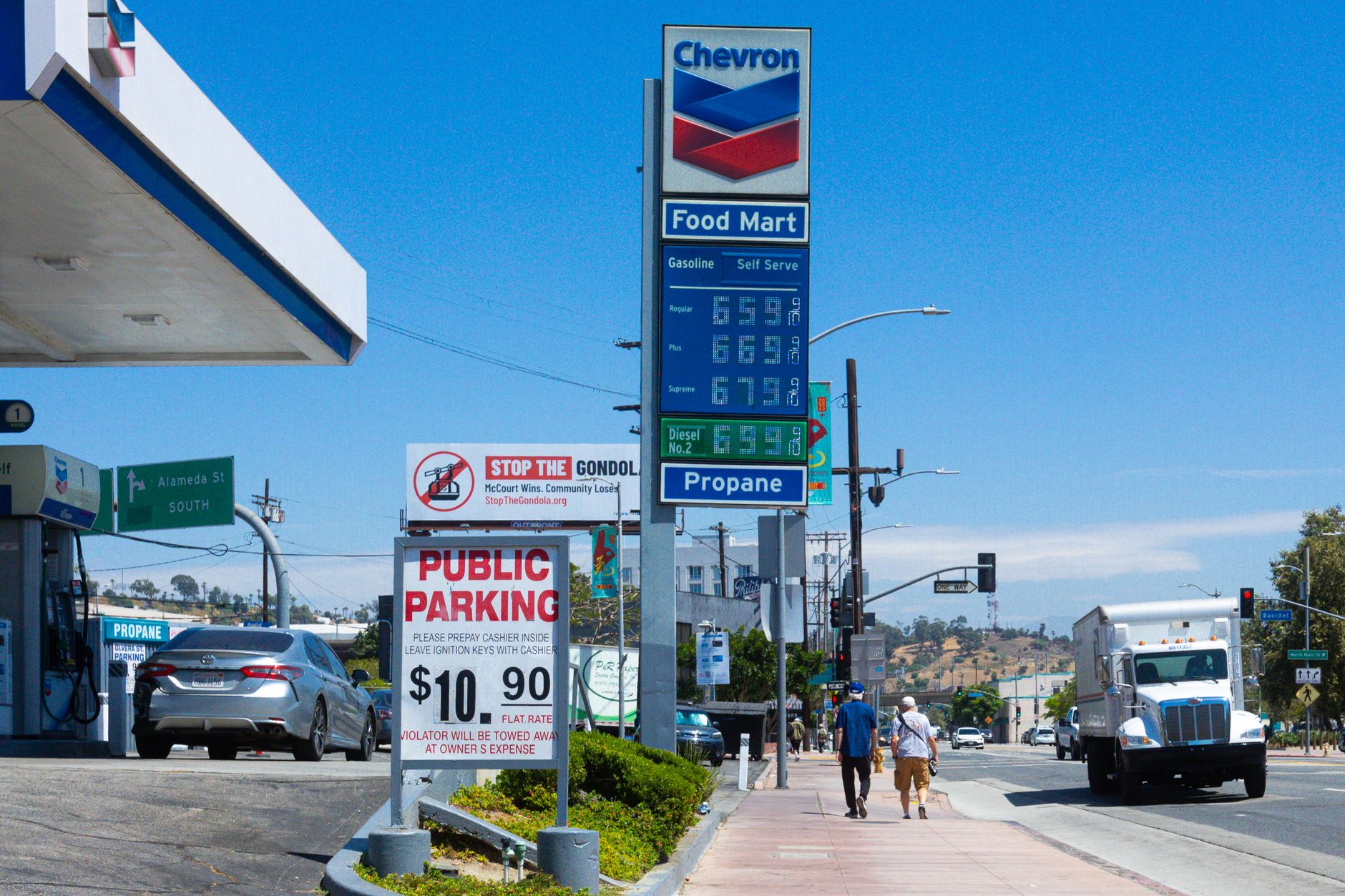
California oil companies are reporting staggering profits, with some quadrupling their earnings as drivers face high gas prices, especially after the Iran war. This surge in profits, highlighted by companies like Chevron and Marathon Petroleum, is renewing urgent calls from state lawmakers to address potential price gouging. Officials are debating new legislation and exploring existing tools to protect consumers, while also considering pathways that accelerate the shift towards cleaner energy solutions like electric vehicles to reduce reliance on volatile fossil fuel markets. The situation underscores the ongoing challenges in balancing energy supply with consumer costs and environmental goals.
California's major oil refiners, including Marathon Petroleum and Chevron, have announced record-breaking profits this quarter, some reporting earnings five times higher than last year. These "obscene" profits, as described by State Sen. Josh Becker, come as California drivers continue to face some of the nation's highest gas prices, often hovering above $5.60 a gallon. The spike in prices is largely attributed to tightening fuel supplies following the Iran war.
In response, state legislators are pushing for action. Senator Becker, alongside Senator Benjamin Allen, has introduced a bill to empower the state's attorney general to prosecute price gouging during wartime, aiming to cap price increases at 10% of pre-emergency levels. Research from Consumer Watchdog suggests California gas prices significantly exceeded national averages after the war began.
Another proposal from State Sen. Henry Stern aims to make it easier to sell regular gasoline in California, potentially lowering costs, with a fee that could fund programs like electric vehicle rebates. This move highlights a broader push towards sustainable transportation. While industry groups oppose these measures, arguing they could discourage investment and risk fuel shortages, supporters see them as crucial steps to protect consumers and accelerate the transition away from fossil fuels.
California already has a law, signed by Governor Newsom in 2022, allowing the Energy Commission to cap refinery profits. However, the commission has "de-prioritized" using this power, partly due to concerns about fuel supply stability after recent refinery closures and before electric vehicles can fully meet demand. This hesitation underscores the critical need for continued investment in electrification and cleaner energy infrastructure to lessen our dependence on unpredictable fossil fuel markets and protect both wallets and the planet.