California Moves to Ban a Popular Disposable Item. Why?

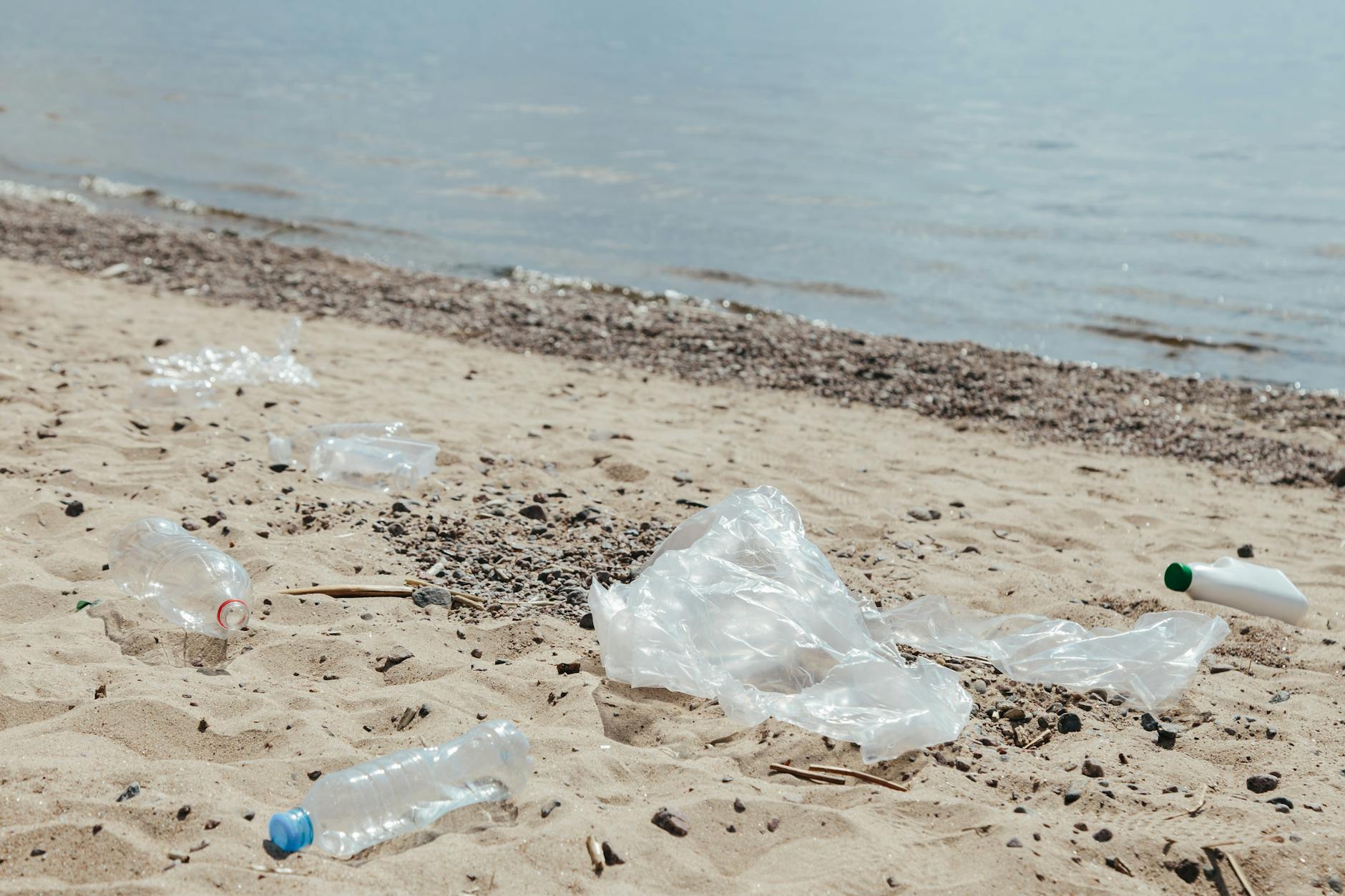
California is on the brink of outlawing disposable vape pens and e-cigarettes. After passing both houses, Assembly Bill 762 targets these single-use, battery-powered devices due to their severe environmental impact. From littering beaches with toxic chemicals and microplastics to sparking dangerous fires in waste facilities, the negative consequences are clear. This move emphasizes the urgent need for sustainable solutions and aims to shift consumers towards refillable, rechargeable alternatives.
Soon, California could make it illegal to manufacture, distribute, or sell disposable electronic cigarettes. The proposed law, Assembly Bill 762, specifically targets single-use vaping devices that contain batteries and nicotine products. Cannabis vapes are exempt. For a device to remain legal, it must allow for refilling or use replaceable pods, and its battery must be rechargeable. This change promotes more responsible consumption and addresses a growing environmental crisis.
Disposable vapes have become a significant source of pollution, turning up as trash on streets, beaches, and in parks. These devices leak harmful substances like lead, lithium, cobalt, cadmium, microplastics, and battery acid into our environment. Experts estimate that a staggering 500,000 disposable vapes are discarded daily across the U.S., adding to an ever-increasing waste problem that impacts our natural spaces and wildlife.
Beyond environmental contamination, these small devices pose a serious fire risk. The lithium batteries inside disposable vapes can short-circuit, overheat, and ignite surrounding materials when crushed in garbage trucks or at recycling facilities. This phenomenon, dubbed “the vape effect,” contributes to an estimated 5,000 fires annually at recycling centers, causing billions in damages and posing a threat to workers and communities. Shifting to rechargeable batteries in electronics is a vital step towards safer waste management and a cleaner environment.
While some in the vaping industry argue these devices help people quit smoking, research highlights concerns about their danger to young adults, non-smokers, and the unknown long-term health effects of nicotine vapor. Moving away from single-use products like disposable vapes toward durable, rechargeable electronic solutions is essential. This encourages not only environmental protection but also safer practices and a healthier future for all.