California Otter's Roadside Ordeal: A Miraculous Recovery?

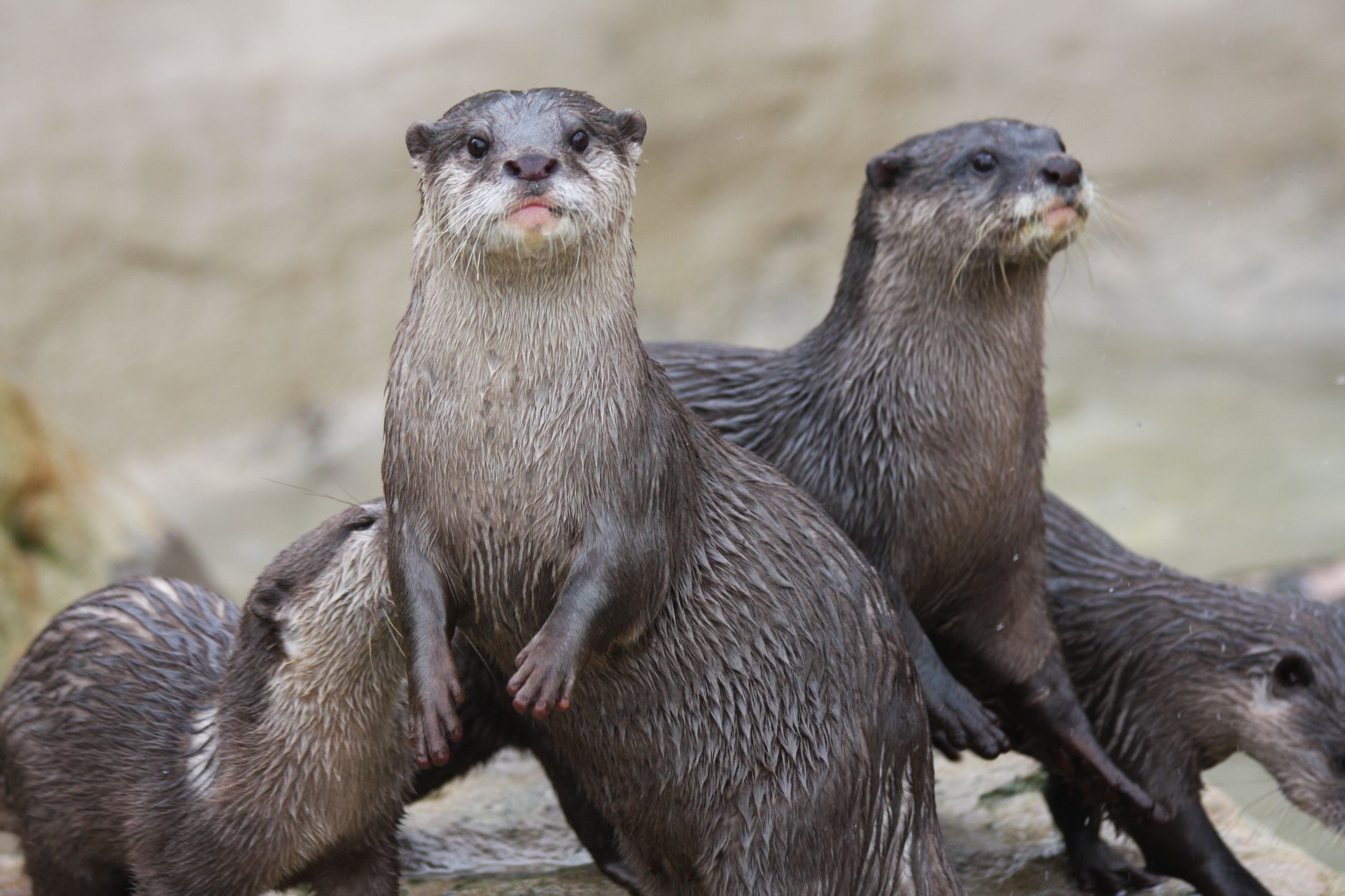
A young river otter, recently struck by a car in Vacaville, California, is making a remarkable recovery at the Solano Wildlife Rescue and Education Center. Despite suffering brain swelling and a chin abrasion, the otter avoided broken bones, signaling a hopeful prognosis. This incident highlights the increasing challenges wildlife face as human populations expand, making dedicated rescue efforts and environmental awareness more crucial than ever for protecting vulnerable species.
The 15.5-pound male river otter is currently on pain medication, with veterinarians expecting a full recovery and release within seven to ten days. Before returning to the wild, he must be off medication for at least 72 hours and demonstrate typical wild behaviors, including aggression, confirming he is ready to thrive independently.
Amy Pedrioli, founder of the Solano Wildlife Rescue and Education Center, noted this is their first live river otter rescue, emphasizing the unique nature of the situation. The road where the otter was hit is known to cross several waterways frequently used by these animals, illustrating how human infrastructure often intersects with natural habitats.
North American river otters, distinct from their sea-dwelling cousins, typically inhabit rivers, lakes, and streams, foraging on crustaceans, birds, and fish. While historically hunted for their pelts in the 17th and 18th centuries, their greatest threat today comes from human encroachment. These intelligent creatures, primarily nocturnal, often travel several miles between water bodies, making them particularly vulnerable to roadside incidents. Protecting these vital ecosystems and supporting wildlife corridors is essential for the long-term health of our planet and its diverse inhabitants.