California Ports' Green Dream Hits Unseen Roadblock

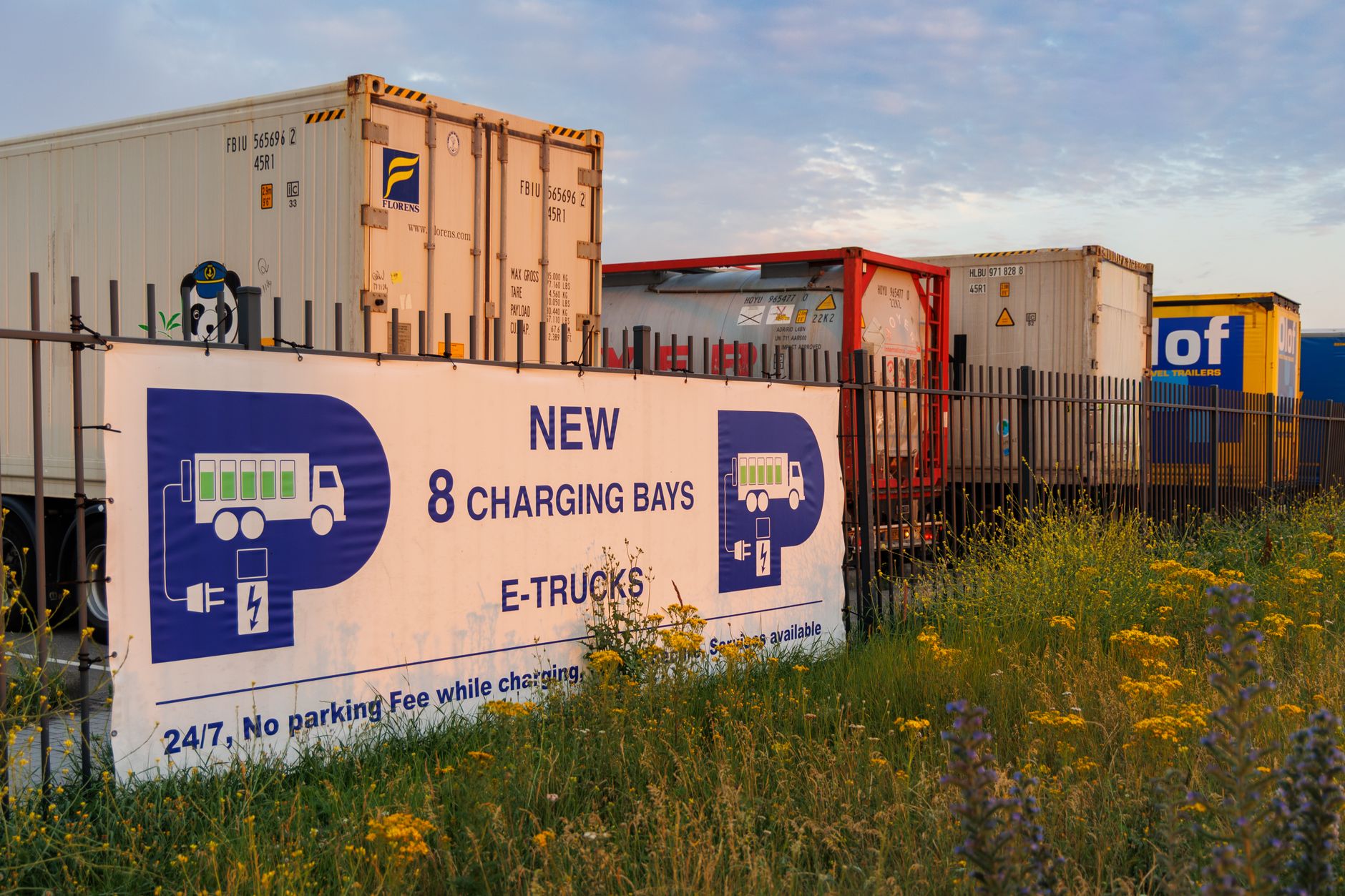
California's bustling ports of Los Angeles and Long Beach are pushing ambitious targets for zero-emission trucking, aiming to dramatically cut pollution and combat climate change. However, this critical shift towards cleaner air is encountering significant financial hurdles for the trucking industry. While the environmental imperative to electrify is clear, truckers face high upfront costs and operational challenges with electric big rigs. To ensure a smoother transition, ports are now exploring new subsidy programs, including per-move incentives, highlighting the delicate balance between urgent environmental action and economic sustainability.
The ports of Los Angeles and Long Beach, vital arteries for global trade, have set some of the nation's most aggressive goals to eliminate carbon emissions, recognizing the urgent need for environmental action. Their vision includes transitioning all cargo-handling equipment to zero-emissions by 2030 and their entire truck fleet to electric by 2035. This move is crucial for improving regional air quality and contributing to global climate goals by drastically reducing port-related emissions. Currently, only about 4% of trucks visiting these ports are zero-emission, underscoring the scale of the challenge.
Driving electric offers significant environmental advantages and can lead to lower maintenance costs due to fewer moving parts compared to traditional diesel trucks. However, the path to a fully electric fleet is proving more expensive than anticipated for many in the struggling trucking industry. The initial price tag for an electric big rig can be over half a million dollars, a stark contrast to a used diesel truck costing around $70,000. Even with record high diesel prices making electric vehicles more competitive to run, the extended charging times mean trucks are off the road longer, creating additional costs.
To bridge this gap, the ports are proposing innovative support mechanisms, including a $60 per-trip incentive for battery-electric truck operators, funded by a clean truck fee. This program would cap funds at $36,000 per truck annually, encouraging wider adoption. The Port of Long Beach has also offered $10,000 one-time payments to early adopters of electric trucks. These efforts are crucial, especially after the loss of some federal electric vehicle incentives, though California's Clean Truck and Bus Voucher Incentive Project continues to offer substantial point-of-sale discounts.
Beyond upfront costs, electric trucks present other operational expenses. Their heavier weight can lead to faster tire wear, and battery replacements, which occur every five to seven years, can cost thousands. Furthermore, the newer nature of electric heavy-duty vehicles often results in higher insurance premiums, as companies are still assessing the risks. These factors highlight why sustained support and collaborative action are essential to accelerate the transition to cleaner transportation, ensuring both environmental protection and a resilient supply chain.