California Revives Wildlife Coexistence: What's Next for Nature?

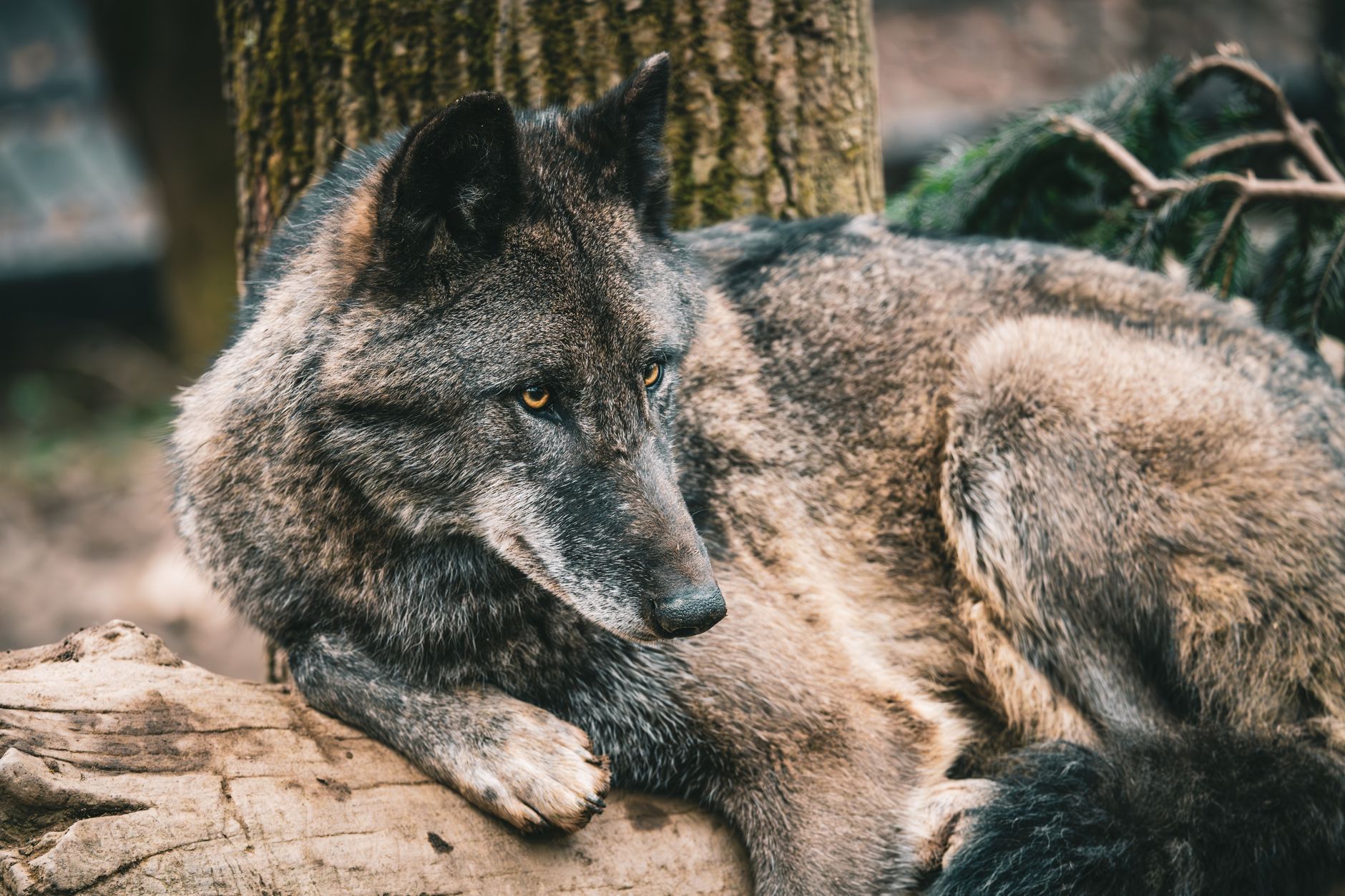
California is bringing back its crucial Wildlife Coexistence Program and enhancing support for ranchers amid a record boom in gray wolf pups. This move addresses the growing conflicts between people and various wild animals, a trend intensified by climate change and urban expansion. Governor Newsom underscored the moral importance of protecting nature, highlighting efforts to foster a more harmonious balance. The revived program aims to reduce tensions, assist livestock owners, and promote sustainable living alongside California's diverse wildlife, though initial funding remains a significant challenge.
California is stepping up its efforts to reduce clashes between humans and wildlife by restoring a vital program. Governor Newsom recently signed a bill to relaunch the Wildlife Coexistence Program, acknowledging the growing tension as animals like bears, mountain lions, and wolves increasingly encounter human communities, often due to climate change altering habitats and urban areas expanding.
The state's gray wolf population, once wiped out in the 1920s, is making a remarkable comeback, with at least 42 pups born this year—a new record. This success delights conservationists, signaling a positive step for endangered species. However, it also brings challenges for ranchers whose livestock can become prey, creating significant economic hardship.
To address these conflicts, the new legislation also formalizes a program that compensates ranchers for livestock losses to wolves. It also provides funds for non-lethal deterrents, such as electric fences with bright flags electric fences with bright flags. These sustainable solutions aim to protect both animals and livelihoods without resorting to harmful measures.
The original Wildlife Coexistence Program faced a setback in 2024 when funding cuts left only one specialist to handle human-wildlife incidents. State Sen. Catherine Blakespear, author of Senate Bill 1135 Senate Bill 1135, emphasized the previous "clear lack" of staff and education. The restored program is now called the Wildlife Coexistence Program, reflecting a renewed commitment to collaborative solutions.
While ranching groups initially had reservations, they have since shifted to an "enthusiastic neutral" stance, recognizing the program's value in providing resources for dealing with conflicts, including those involving mountain lions. Wildlife officials, like Axel Hunnicutt, the gray wolf coordinator, are currently working to collar wolves, which helps ranchers track their movements and prevent attacks, as seen with the Whaleback pack responsible for 41 confirmed or probable livestock attacks recent report.
Despite the program's vital importance, securing sufficient funding remains an ongoing battle. Advocates requested significant investment for both coexistence and wolf management, but only received a fraction of what was asked for this year. More funding will be crucial in the coming years to ensure the program can fully achieve its goals of protecting wildlife, supporting communities, and fostering a balanced, sustainable future for California's natural environment.