California River Vanishes: What Happens to Its Iconic Salmon?

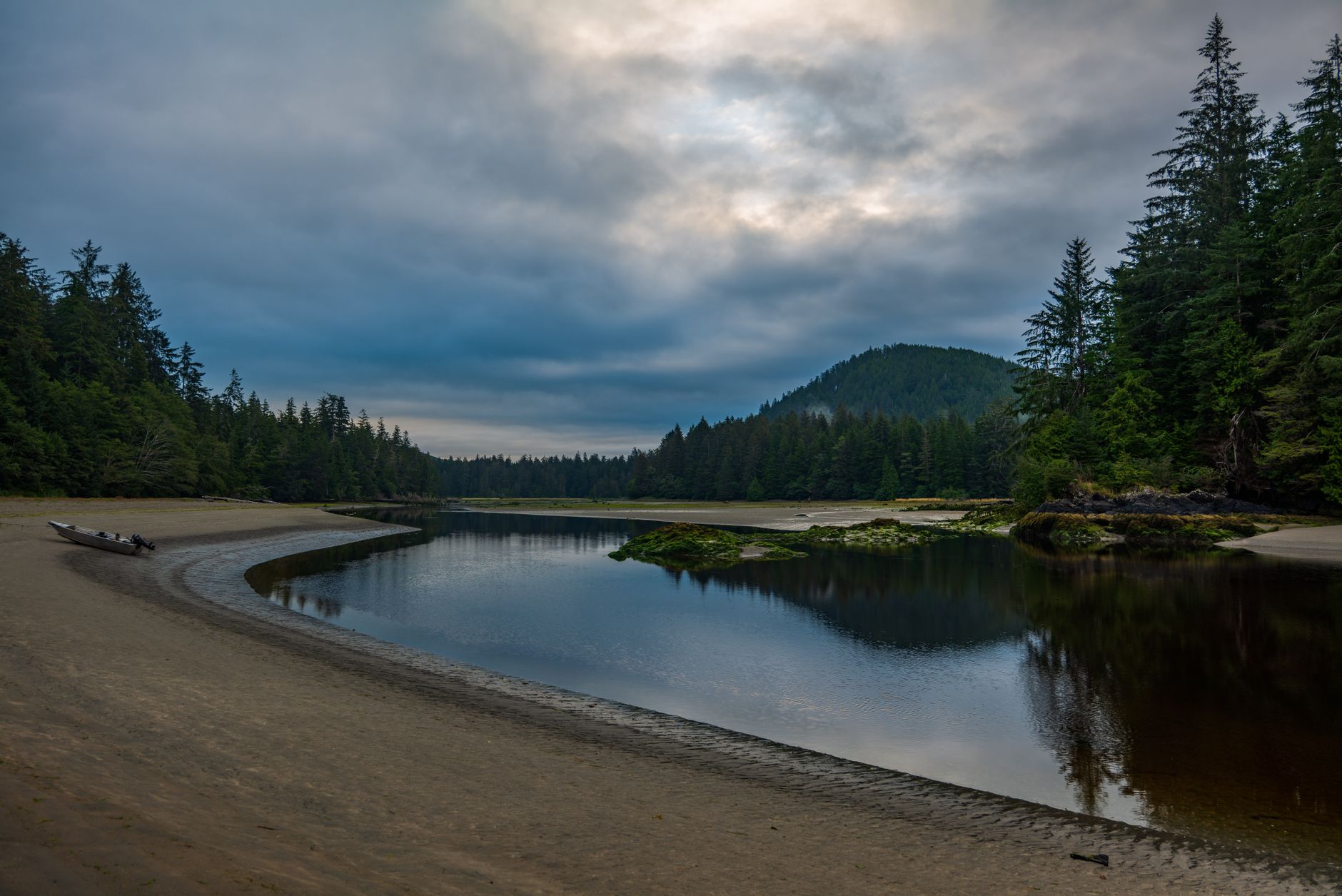
Northern California's Scott River, crucial for salmon returning to spawn, has largely dried up this year, raising alarm among environmental groups. While farmers continue to irrigate fields, advocates accuse state regulators of failing to protect river flows. This severe situation highlights the escalating conflict over water resources and the immediate threat posed to a vital fish population, intensifying calls for sustainable water management amidst a changing climate.
The Scott River, a lifeline for salmon swimming upstream from the Pacific Ocean to spawn, now features long stretches of dry sand and gravel instead of flowing water. This alarming sight, near the California-Oregon border, has sparked fierce debate.
Environmental advocates, like Regina Chichizola of Communities United for Water Protection, are pointing fingers at the State Water Resources Control Board. They argue the state hasn't done enough to curb water withdrawals, leading to a "free-for-all" that leaves the river parched when salmon need it most.
Farmers in the Scott Valley, however, contend that the primary culprit is the extremely low snowpack and record-breaking heat, both strong indicators of climate change. Brandon Fawaz, a local farmer, states that in such an "extreme snow drought," the river would disconnect and dry up in places regardless of agricultural water use.
Since 2021, the state water board has implemented emergency regulations for the Scott and nearby Shasta rivers, both vital for salmon that feed into the Klamath River. These rules include ordering farmers to reduce surface water use and limit groundwater pumping. Despite these measures, parts of the Scott River have dried up in previous years, including 2021, 2022, and 2023.
State officials acknowledge the severe impact of this year's minimal snowpack, which was only 1% of average by May 1. Erik Ekdahl, chief deputy director of the state water board, noted the river's capacity to dry up even with minimal diversions due to such extreme conditions. He also highlighted the complex challenge of understanding how groundwater pumping affects river flow, as impacts can take weeks or even years to manifest.
The urgency for action is clear, especially with Chinook salmon returning in the fall and coho salmon arriving in November. The Quartz Valley Indian Reservation chairman, Leonard Lincoln, emphasized that "the river’s health reflects the health of our people," underscoring the cultural and ecological importance of the salmon nursery. Environmental groups, including the Karuk Tribe, are calling for a review of current regulations to establish a permanent management program that ensures minimum flows.
While the situation is dire, there are glimmers of hope from other efforts. The monumental removal of four dams on the Klamath River in 2024 has shown remarkable results, with scientists finding salmon rapidly returning to reoccupy 88% of their historical spawning areas upstream. This success story underscores the power of decisive environmental action. Farmers in the Scott Valley are also exploring solutions like recharging groundwater during heavy rains and thinning overgrown forests to improve water retention.
As climate change continues to shrink our precious snowpack, protecting our rivers and their wildlife demands collective innovation and commitment. The drying of the Scott River is a stark reminder of the environmental challenges we face and the critical need for sustainable solutions to preserve biodiversity and vital ecosystems.