California's August Secret: No Blackouts Despite Record Heat

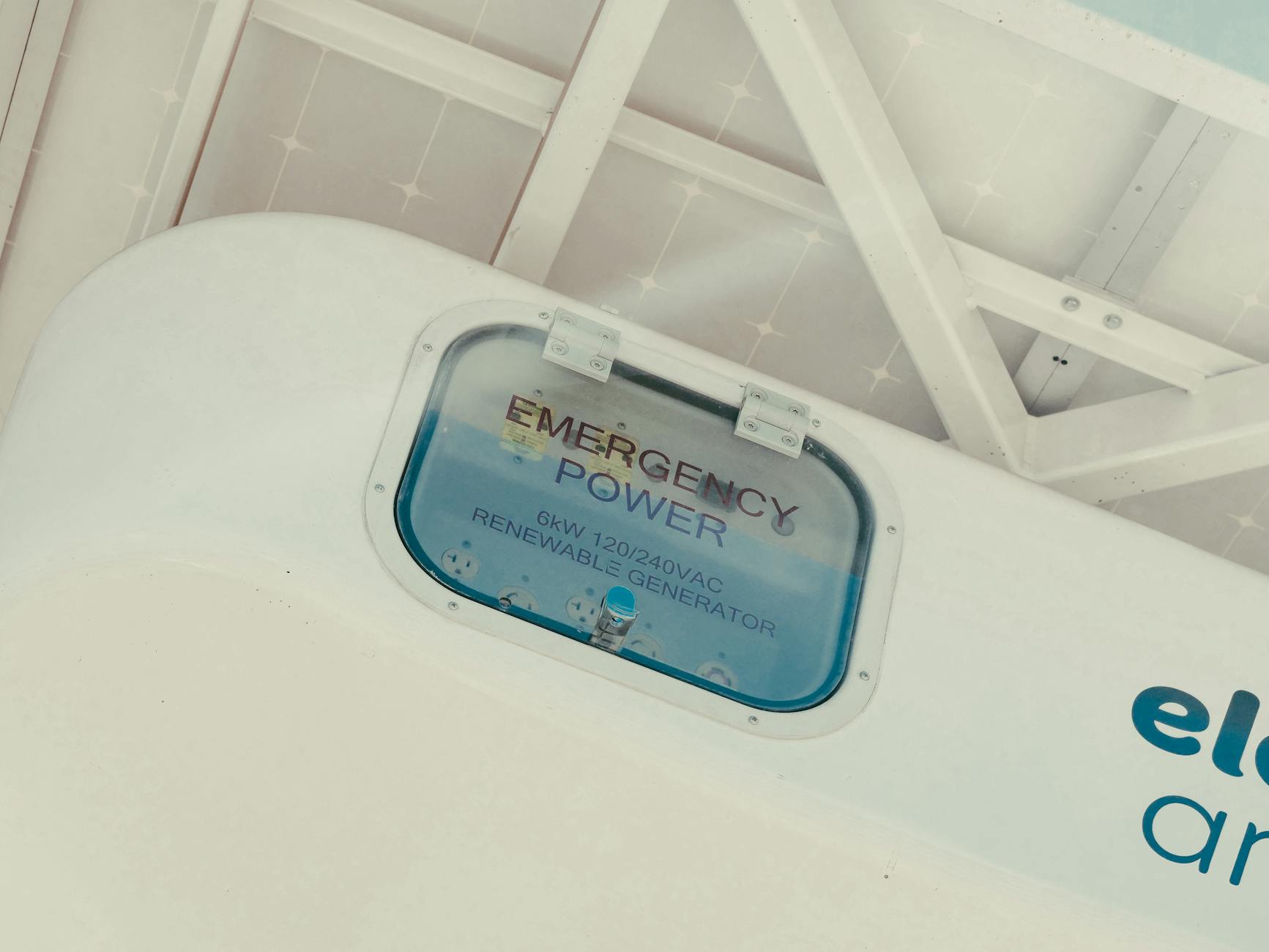
California has successfully navigated its hottest August on record without the inconvenience of rolling power outages or widespread energy reduction calls. This achievement marks a significant turnaround, driven by the state's strategic investment in grid resiliency. Crucially, a massive expansion of battery energy storage, coupled with an increase in renewable energy sources, has fortified the electrical system. This progress is vital as extreme heat events become more frequent due to global warming, underscoring the urgent need for sustainable infrastructure.
For years, summer heat waves often meant dreaded Flex Alerts and even rolling blackouts across California. However, despite enduring the warmest August on record and ongoing extreme heat and humidity this week, the state has not issued a Flex Alert since 2022, nor implemented rotating outages since 2020. This quiet revolution in grid reliability is largely thanks to a dramatic boost in battery energy storage.
Just a few years ago, during the 2020 August heat wave, the state's grid had less than 100 megawatts of battery storage. Today, that capacity has skyrocketed to over 17,000 megawatts. These batteries are game-changers, capturing solar energy during the day and releasing it to meet peak demand in the evenings when homes are running air conditioners and other appliances. The California Independent System Operator aims to add even more battery storage by 2045, aligning with the state’s ambitious goal of achieving carbon neutrality by that same year.
Beyond batteries, California has significantly grown its share of electricity from renewable sources like solar, wind, geothermal, and hydropower. In a notable first, California became the first large-scale power system globally to rely on more than 50% solar power for an entire month this May. The grid's integration with other Western U.S. electrical systems also provides a safety net, allowing energy to be imported from cooler regions during local heat spikes.
These advancements are more critical than ever, as climate change intensifies extreme weather events. While California experienced its warmest average daytime maximum temperature in August, the planet as a whole tied for the Earth's hottest month on record, with devastating consequences globally. Strengthening the grid and transitioning to clean energy are essential steps to protect communities and ensure a stable future in the face of a changing climate.
Though largely past the era of widespread outages due to heat, the grid still faces challenges. Public safety power shutoffs are used proactively to prevent wildfires, and localized outages can occur from unexpected incidents or equipment failure during extreme heat, as seen in San Diego this week. However, a stronger, more diverse grid means a far greater ability to navigate these challenges.