California's Bold Move: Who Pays for Climate Disaster Insurance?

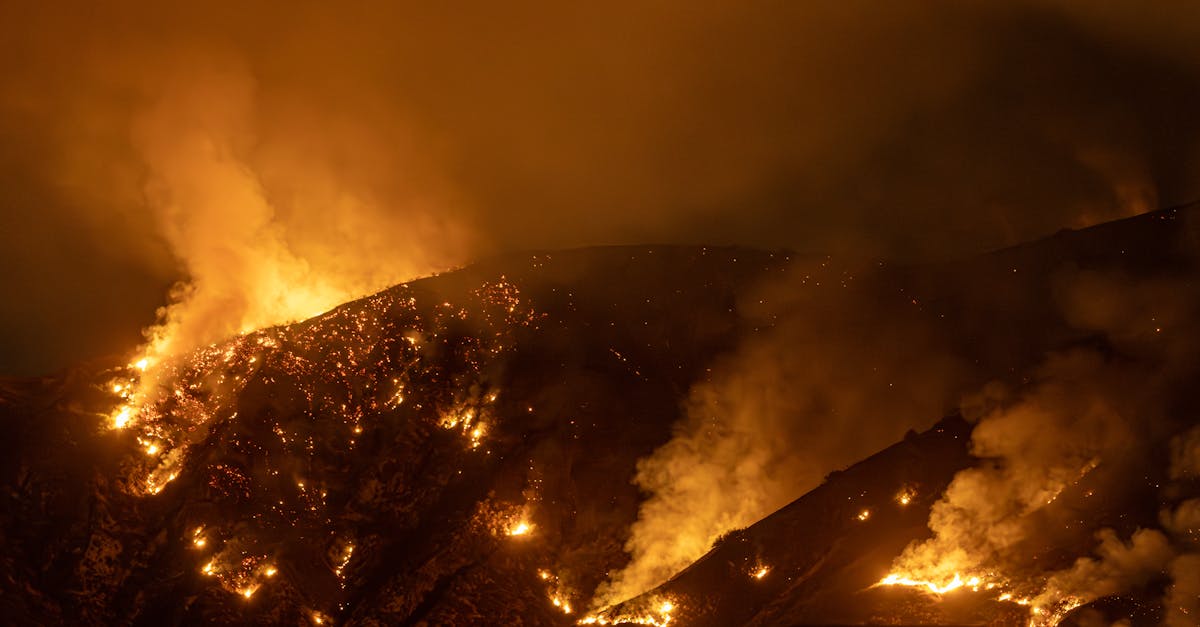
California is facing a severe home insurance crisis as destructive wildfires and other climate-fueled disasters intensify. Many insurers have pulled out, leaving residents with skyrocketing costs or no coverage. In response, a new state bill, the Affordable Insurance and Recovery Act, seeks to hold fossil fuel companies accountable for their role in global warming. This groundbreaking legislation aims to empower the state's attorney general to sue these companies, creating a fund to stabilize the insurance market and help communities protect their homes from future climate impacts.
The rising frequency and severity of climate-driven disasters, like California's devastating wildfires, have pushed the state's home insurance market to a breaking point. Insurance companies are increasingly retreating from the state or drastically raising premiums, making it difficult for many homeowners to secure coverage. This dire situation highlights the urgent financial consequences of a changing climate, impacting everyday citizens directly.
To address this, California Senate Bill 982, also known as the Affordable Insurance and Recovery Act, was advanced by the Senate Judiciary Committee. This bill would allow California's attorney general to sue fossil fuel companies, seeking damages for their historical contribution to global warming. The money collected would then be used to support California's FAIR Plan, the state’s "insurer of last resort," which has seen its property coverage jump by 317 percent since 2021 as more residents rely on it. Funds would also go toward grants for communities to reinforce homes against extreme weather.
Advocates say that public opinion is on their side, with a January poll showing that over 1 in 5 California homeowners are uninsured due to canceled policies or unaffordable premiums. Furthermore, surveys indicate 66 percent of voters across party lines believe billion-dollar corporations should be held responsible for the climate crisis and contribute to home insurance costs.
However, industry groups argue the bill is too broad, unconstitutional, and could raise costs for Californians by impacting fuel providers. They suggest there are multiple causes of climate change and that singling out fossil fuel companies is not responsible policy, despite the clear scientific consensus on their significant role in global warming. Nonetheless, California is not alone; Hawaii and New York are also exploring similar legislation to make the industry pay for climate damages, a trend gaining traction as climate disasters escalate nationwide, increasing insurance premiums by 28 percent on average since 2017 according to experts. This push emphasizes that those who profit from activities contributing to climate change should help bear the costs of its devastating consequences.