California's Changing Ocean: What Lies Beneath the Waves?

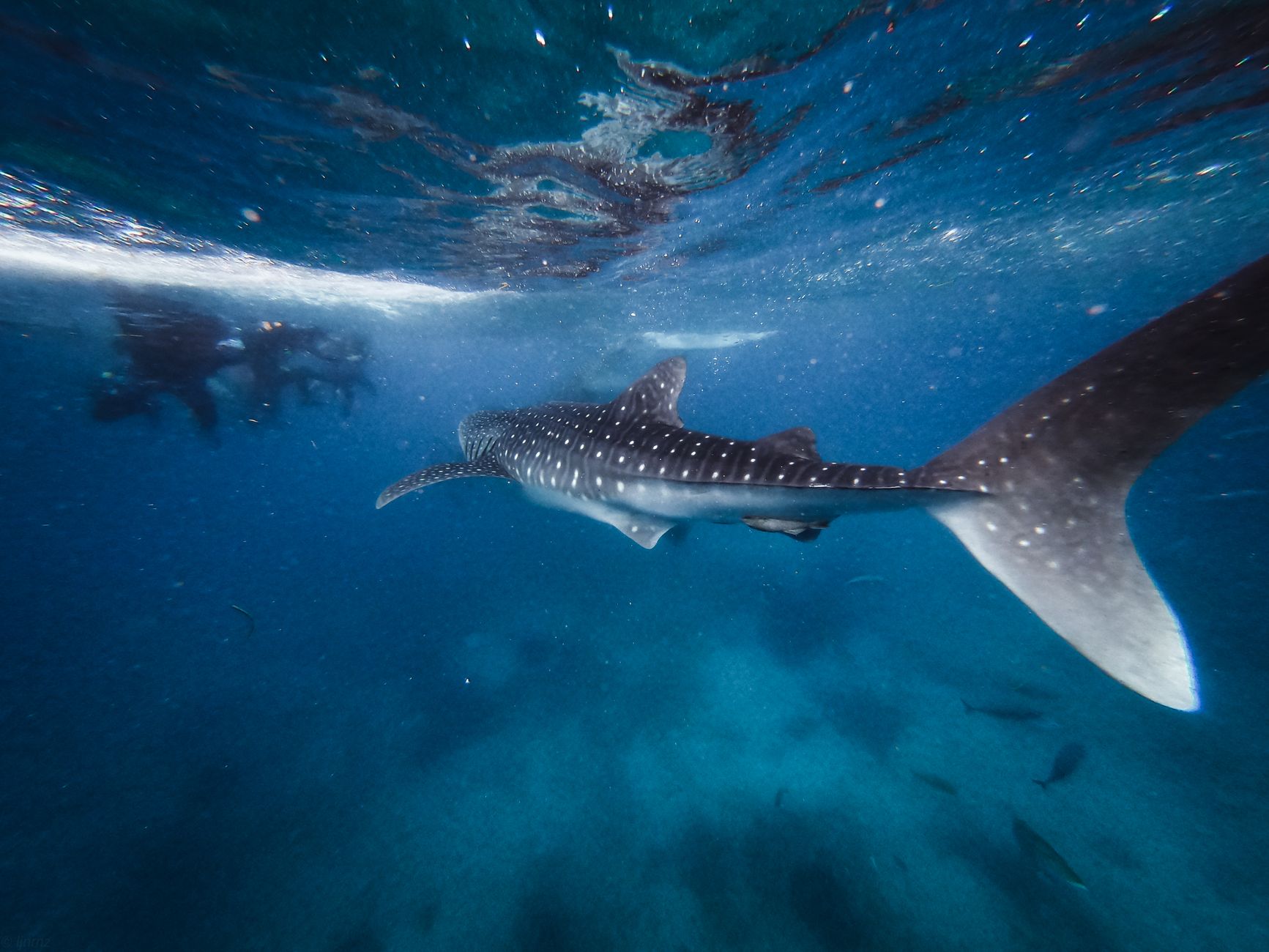
California's ocean life is bracing for a powerful El Niño winter, a climate pattern bringing unusually warm waters. While some, like a visiting whale shark, offer awe-inspiring sights, experts warn of significant challenges for local ecosystems. This natural phenomenon, now compounded by existing marine heatwaves and a changing climate, is creating unprecedented conditions. Understanding these shifts is crucial for protecting the diverse creatures that call California's coast home, highlighting the urgency of environmental observation and action.
El Niño, driven by warm tropical Pacific waters, means higher sea levels and warmer ocean temperatures for California. However, predicting its exact effects on marine life is complex, as animals react in varied ways, and current conditions are already impacted by a broader marine heatwave.
One striking effect is the arrival of tropical and subtropical species. A recent whale shark sighting off Southern California is a prime example, documented in a Los Angeles Times account. Even more remarkable, olive ridley sea turtles, usually found in warmer waters, laid eggs on California's West Coast beaches for the first time ever, a phenomenon likely propelled northward by El Niño's currents, as reported by the Los Angeles Times.
Yet, for many native species, the warmer waters pose a severe threat. El Niño disrupts the natural upwelling process, which normally brings cold, nutrient-rich water to the surface, crucial for the marine food web. This reduction in food supply hits young animals particularly hard. Experts fear a repeat of past El Niño events where thousands of sea lion pups were found malnourished and stranded.
Another concern is the rise in harmful algal blooms, leading to domoic acid poisoning. This toxin, produced by algae, sickens animals like sea lions that feed on affected fish, a situation recently highlighted by the Desert Sun. Warmer waters and stress on plankton communities due to El Niño conditions are thought to contribute to these dangerous blooms, underscoring the delicate balance of our ocean environments.
Kelp forests, vital habitats for countless marine creatures, also suffer. They thrive in cool, nutrient-rich conditions, which El Niño diminishes. Combined with more intense winter storms, kelp beds can be severely damaged, impacting species like rockfish that depend on them, as noted in an article by Scripps Oceanography. The long-term warming trend means that each El Niño event now interacts with an already altered ecosystem, making past predictions less reliable. This “shifting baseline” emphasizes the ongoing impacts of climate change and the critical need for continuous environmental protection efforts.