California's Climate Action Under Fire: What Changed Too Fast?

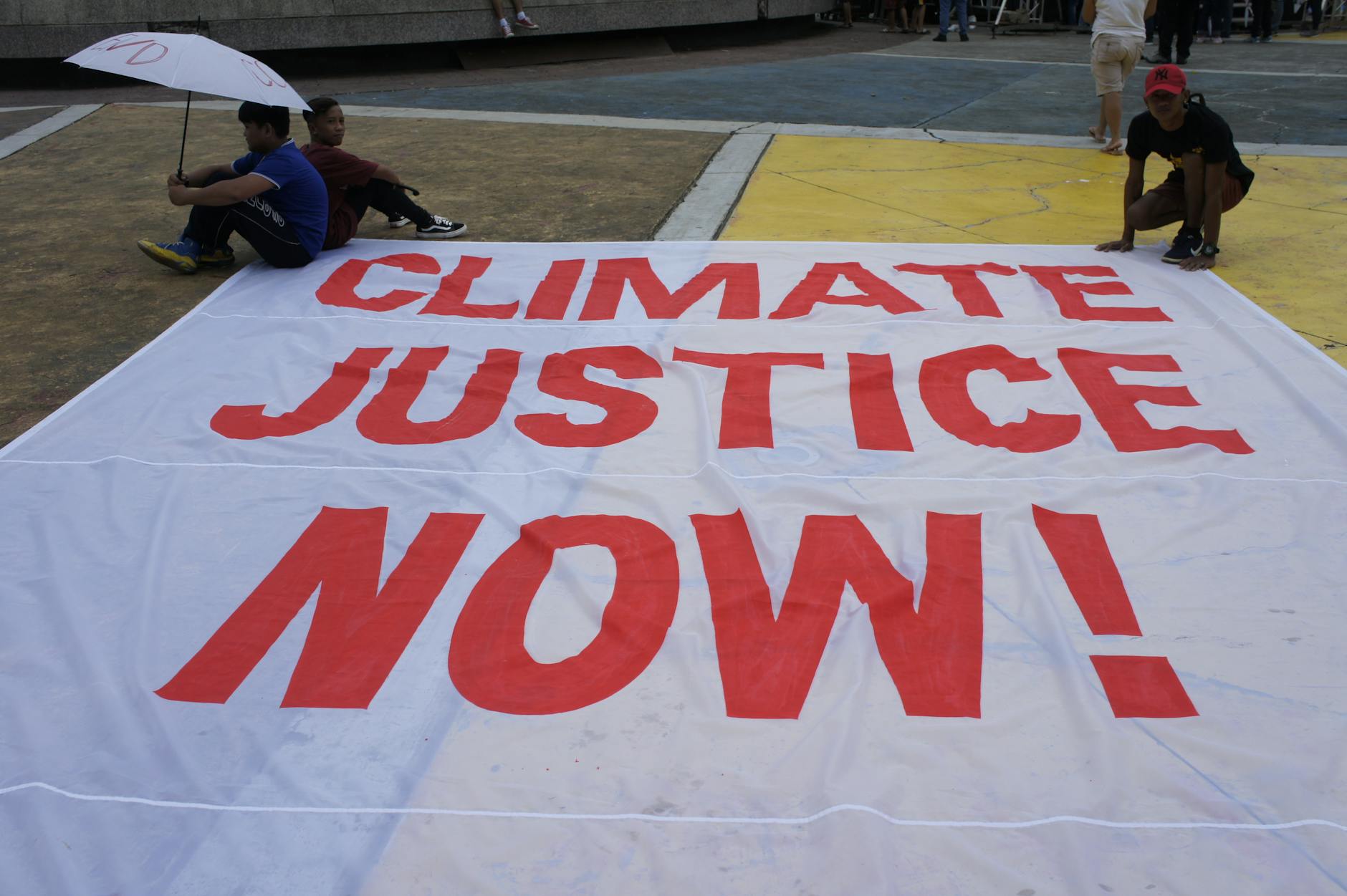
California's crucial cap-and-invest climate program is facing a significant legal challenge. An environmental justice group, Communities for a Better Environment, has sued the state's air quality regulator, alleging an illegal fast-tracking of a new incentive benefiting industrial polluters. The lawsuit claims California's Air Resources Board (CARB) bypassed essential environmental reviews for a recent overhaul of the program. This legal battle highlights concerns that the changes could weaken climate action, threaten vital funding for community projects, and disproportionately affect vulnerable neighborhoods already dealing with pollution.
California's cap-and-invest program is a cornerstone of its climate strategy, designed to reduce pollution by requiring large industrial facilities to purchase permits for their carbon emissions. Fewer permits are issued each year, driving down overall pollution. This crucial program, extended to 2045, has also generated billions for vital community projects, including housing and clean water initiatives, often in areas most affected by pollution. It's a critical tool for environmental progress.
However, a new lawsuit from the environmental justice group, Communities for a Better Environment, challenges a major overhaul to this program. They accuse the California Air Resources Board (CARB) of illegally fast-tracking a new 'manufacturing decarbonization incentive' without proper environmental review. This incentive could allow industrial polluters to receive free permits for emissions in exchange for certain investments. Critics worry this move weakens climate goals, potentially creating loopholes that hinder the urgent shift away from fossil fuels and towards clean, sustainable energy.
The lawsuit contends that CARB bypassed the California Environmental Quality Act (CEQA), failing to adequately analyze the environmental impacts of these changes. This lack of transparency and proper assessment means decisions affecting our climate future might be made without fully understanding the consequences for public health and the environment. This is particularly concerning because the new incentive could cut funding for vital community projects by up to $2 billion annually, disproportionately affecting low-income communities and communities of color who already bear the brunt of pollution.
CARB defends its process, stating it followed all legal requirements and believes the lawsuit could undermine a critical climate program. While some board members expressed hesitation, they approved the incentive, promising future evaluations. This legal battle highlights the importance of strong environmental oversight and ensuring that climate policies genuinely lead to cleaner air, healthier communities, and a rapid transition to electrification and sustainable solutions for all.