California's Coast: Protecting Homes Could Erase Beaches

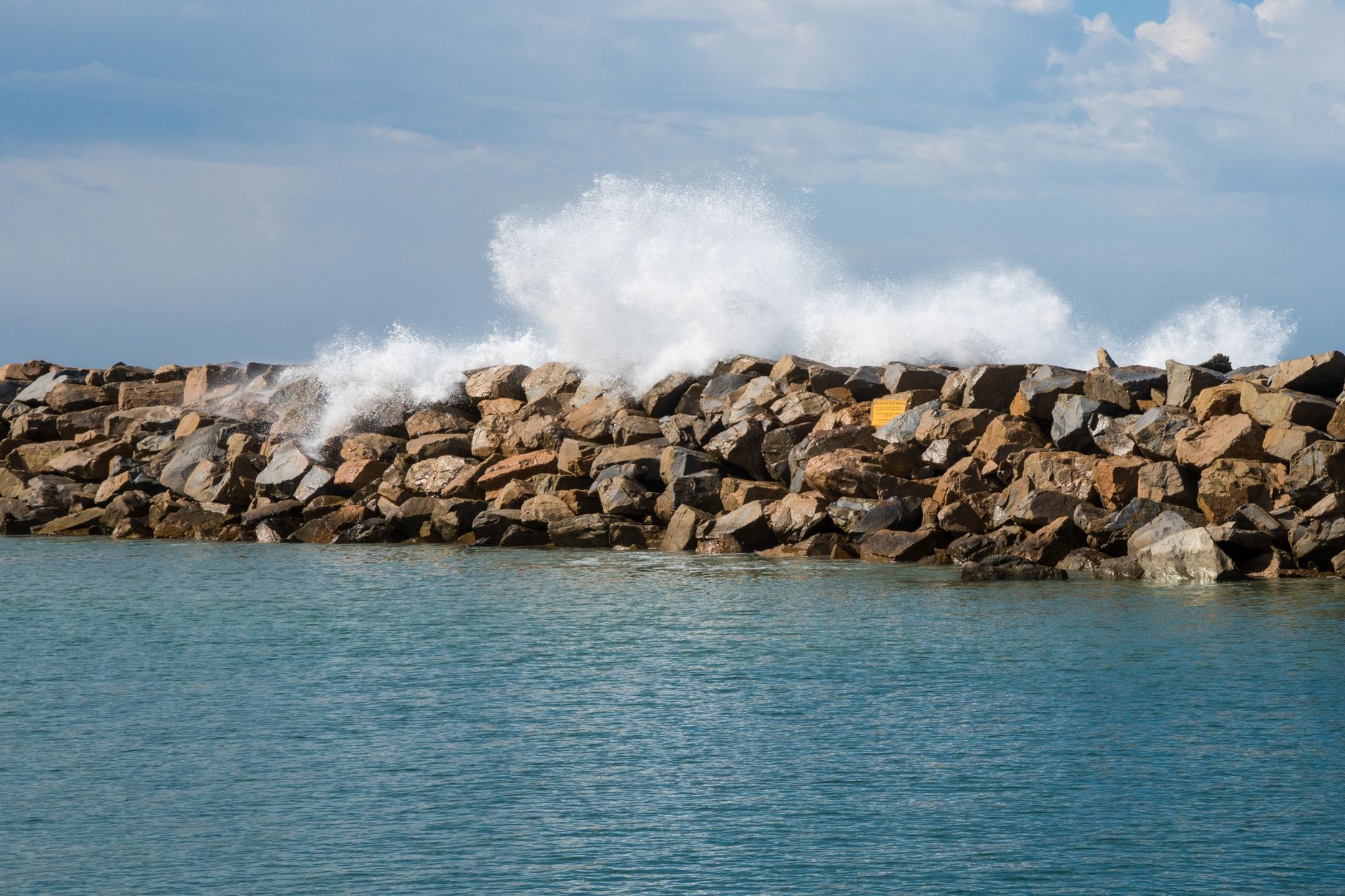
As a powerful El Niño system batters California's coast, communities are installing massive rocks and seawalls to protect homes and vital infrastructure like train tracks. However, this immediate defense comes with a heavy price: the potential permanent loss of California's cherished sandy beaches. Experts warn that these barriers, while saving structures now, prevent beaches from naturally retreating inland as sea levels rise due to global warming. This creates a challenging dilemma between short-term property protection and the long-term environmental health and public access to our iconic coastlines. The urgency of climate change is bringing this difficult choice to a head.
With strong El Niño waves pounding California's coast, residents and leaders are rushing to install large rocks and seawalls to shield homes and prevent a crucial railroad from collapsing into the sea. These methods, known as hardening the coastline, are seen as urgent solutions in the face of unprecedented erosion.
Yet, this defensive strategy is causing growing concern for California’s famous sandy beaches. Experts, like Jonathan Warrick from the U.S. Geological Survey, describe it as a “double-edged sword.” While these barriers might protect structures in the short term, they have negative long-term effects on the beaches themselves. Beaches naturally move inland as sea levels rise, but a seawall creates a fixed line, trapping the sand and eventually causing it to disappear. The U.S. Geological Survey warned in 2017 that California could lose a significant portion of its beaches by the end of the century if sea levels continue to rise at predicted rates.
This tension between safeguarding property and preserving public beaches has been building for years, exacerbated by rising sea levels—a direct result of human-caused global warming. Chad Nelsen, CEO of the Surfrider Foundation, emphasizes that seawalls ultimately destroy the beach, forcing a difficult trade-off. While importing sand can replenish beaches, it's an incredibly expensive solution, potentially costing tens of millions of dollars, leading some to question if it's fair for public funds to protect private homes.
The challenges are clear: some emergency measures have already proven insufficient. In Long Beach, for instance, sand berms were quickly swallowed by waves, and a seawall was breached, damaging homes. This highlights how urgent actions often fall short against the powerful forces of a changing climate. While moving infrastructure further inland or using nature-based solutions like planting dunes have been successful in some areas, these are much harder to implement when homes are directly threatened.
Protecting our environment and adapting to global warming requires thoughtful, long-term strategies. Relying solely on immediate, hard-engineered solutions like seawalls can harm our natural coastline for generations. Prioritizing sustainable approaches and considering the bigger picture of coastal resilience is crucial for preserving California's iconic beauty and public access to its shores for future generations.