California's Coast Under Review: What's at Stake for Public Access?

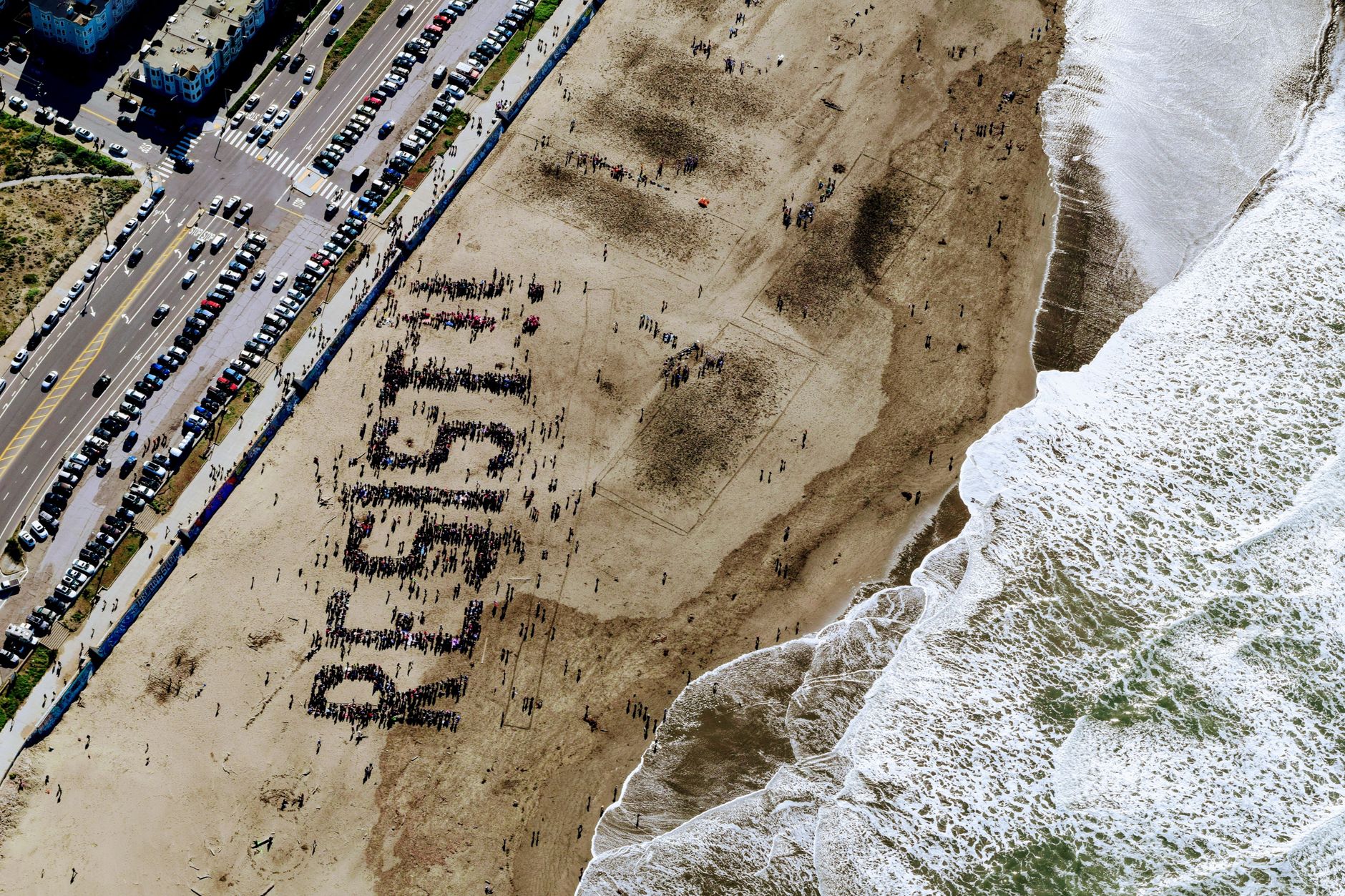
As California celebrates the 50th anniversary of its landmark Coastal Act, the state's efforts to protect its precious 1,100-mile shoreline are under federal attack. The Trump administration is initiating a review of California’s coastal management program, accusing the state of “environmental extremism.” This move threatens decades of work to keep the coast accessible to the public and preserve vital ecosystems from over-development and pollution. The federal challenge comes amidst escalating global warming concerns and puts a spotlight on the urgency of safeguarding our environment.
Fifty years ago, Californians rallied to protect their stunning coast, making it a public treasure for all, rather than a private playground. This commitment, enshrined in the California Coastal Act, has led to aggressive protection of coastal habitats and public access, preventing widespread over-development. However, this legacy is now facing a significant challenge from Washington.
The Trump administration, through the U.S. Commerce Secretary, has ordered a “full, formal review” of California’s coastal management program. The state is being accused of "environmental extremism" for its rigorous attention to issues like water quality, emissions, and regulating development. This includes disputes over SpaceX rocket launches, which the California Coastal Commission noted can impact marine life and humans, as even the federal government has noted. The administration also faults California for its stance on offshore oil production and desalination, claiming the state obstructs economic leadership.
Yet, California boasts the world’s fourth-largest economy, with its technology sector drawing 10 times more venture capital than any other state. Meanwhile, the federal administration is toppling offshore wind projects while the planet experiences deadly heat waves directly linked to the burning of fossil fuels.
The Coastal Commission has, in fact, approved many oil and gas projects and multiple desalination plants, but insists they must be done correctly. For example, it rejected a Huntington Beach desalination plant not because it opposed the technology, but due to concerns about it being a private venture with environmental hazards.
This isn't the first time the Coastal Act has faced opposition. From the devastating 1969 Santa Barbara oil spill to concerns over nuclear power plants and massive residential developments, Californians have consistently risen to defend their coast. Proposition 20, passed in 1972 despite significant corporate opposition, was a testament to the people's will. This led to the Coastal Act and the creation of the Coastal Commission, tasked with balancing development, habitat protection, and public access.
The Coastal Act has since created 2,500 public beach access points, preserved countless wetlands, and protected mesmerizing vistas. Environmental groups like the Surfrider Foundation are mobilizing to fight this federal review, seeing it as a politically motivated attempt to undermine California’s crucial environmental safeguards. As one of the Coastal Commission's early leaders, Peter Douglas, famously said, “The coast is never saved. It’s always being saved.” This current federal challenge reminds us that the fight for our environment is continuous.