California's Coastline at a Crossroads: What's Next?

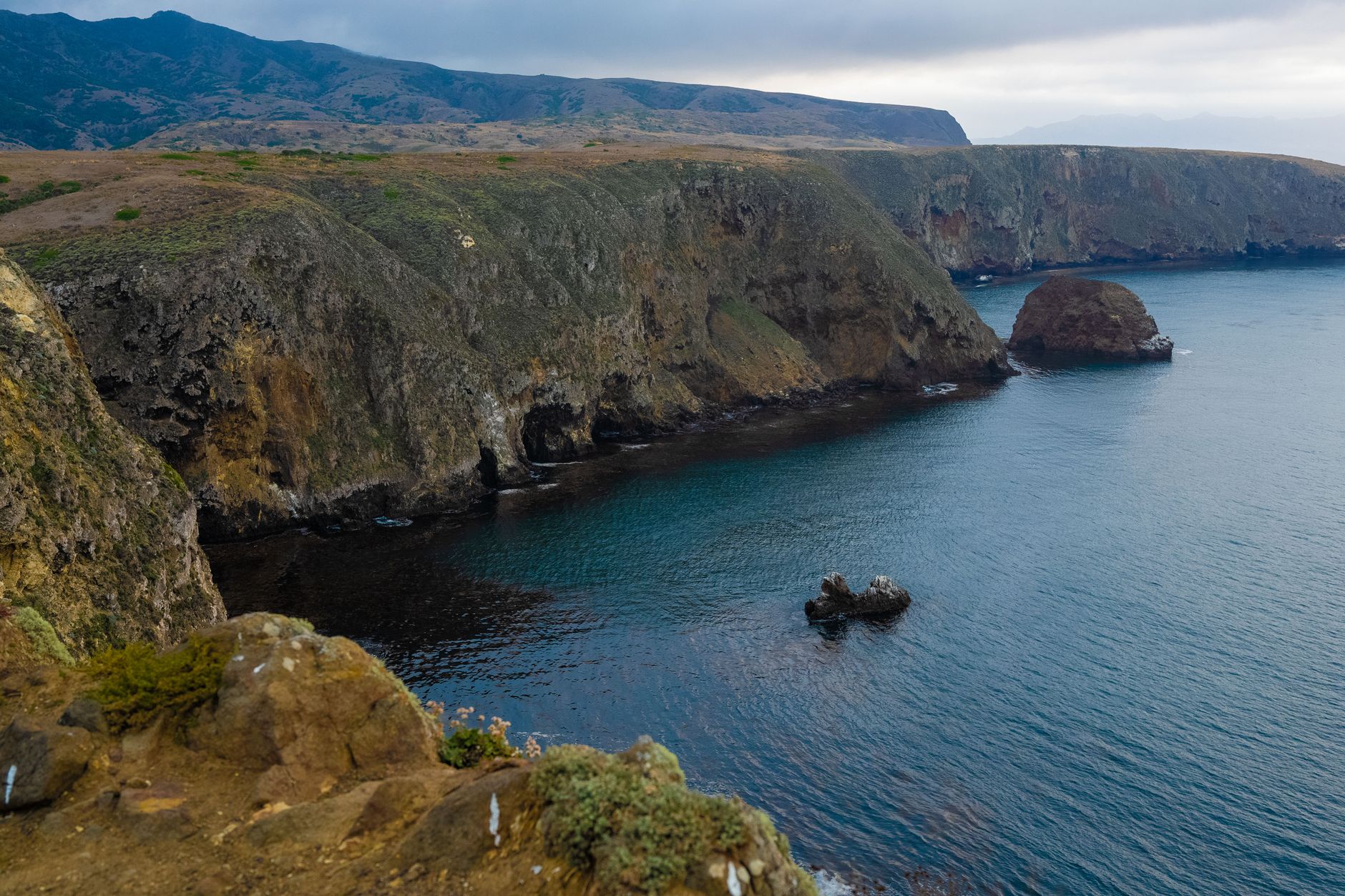
California's vast coastline, a treasure of biodiversity and recreation, faces a historic decision. The state's Fish and Game Commission is preparing to vote on groundbreaking petitions from Indigenous tribes seeking to create and manage new marine protected areas. This moment marks a significant shift, aiming to include Indigenous perspectives that were historically overlooked in ocean management. These proposals not only protect vital ecosystems but also strengthen climate resilience, underscoring the urgency of collaborative environmental action.
For years, the management of California’s extensive marine protected areas (MPAs)—a network of underwater parks designed to boost biodiversity and climate resilience—has largely excluded Indigenous communities. Now, five petitions led or co-led by tribes are on the table, proposing new protected areas and tribal harvest exemptions for specific species, such as the Tolowa Dee-ni’ Nation's request for true smelt. This initiative is more than just about fishing; it’s about recognizing deep cultural ties and traditional ways of life that have sustained these ecosystems for generations. These proposals highlight the critical role of sustainable practices in maintaining ocean health, especially as our climate changes.
However, the path forward isn't entirely clear. While state agencies generally agree on tribal harvest exemptions, there's a split on establishing new tribally proposed MPAs. The California Department of Fish and Wildlife recommends against them, suggesting a new type of 'State Marine Cultural Preservation Area'—a concept that tribal leaders feel is untested and delays action. In contrast, the Ocean Protection Council supports nearly all new tribal MPA proposals, emphasizing a proactive approach to climate change and the protection of vulnerable habitats like kelp forests. This difference in opinion underscores the challenge of balancing established frameworks with the pressing need for flexible, environmentally forward-thinking solutions.
At the heart of these petitions is the concept of co-management, which would empower tribes with decision-making authority over areas like the Mishopshno MPA proposed by the Santa Ynez Band, a site crucial to their creation story. This collaboration is vital for effective conservation, as Indigenous knowledge offers invaluable insights into sustainable resource management. The upcoming vote by the Fish and Game Commission, set for the week of October 15th, will be a landmark moment, potentially establishing the first tribally-sponsored marine protected areas in California and setting a powerful precedent for inclusive, effective ocean stewardship in the face of global warming.