California's Coastline Faces Record Winter Challenge

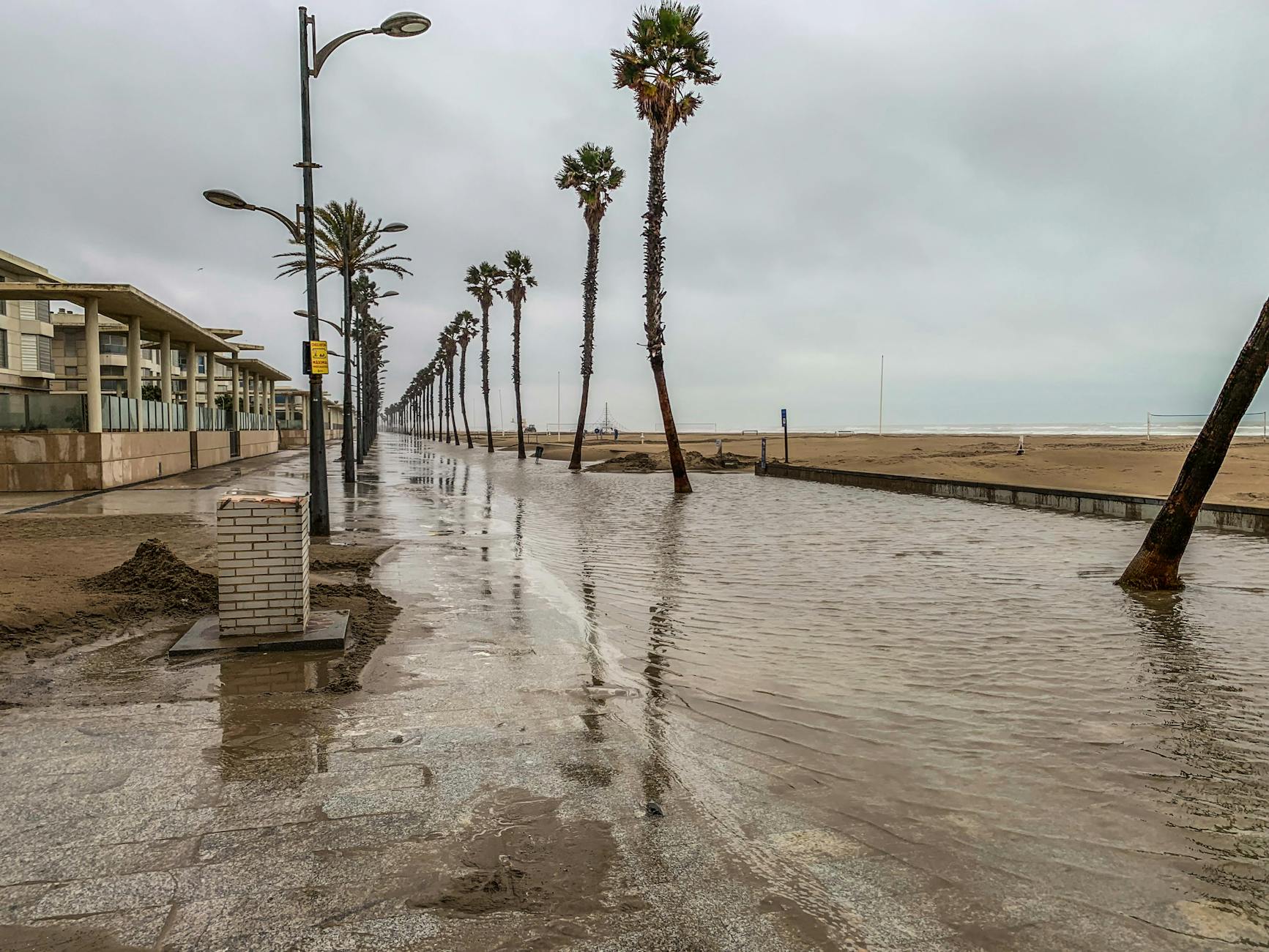
California's coast is bracing for an intense winter, with forecasts predicting record-breaking flooding, powerful waves, and significant erosion. This severe outlook stems from a rare combination of a strong El Niño weather pattern, exceptionally high "king tides," and the ongoing rise in sea levels due to climate change. Experts warn that homes, beaches, and vital infrastructure are at serious risk. This convergence underscores the urgent need to address global warming and protect our vulnerable coastal environments from increasing extreme weather events.
This winter, a powerful El Niño is set to supercharge ocean levels off California's coast. Research geologist Jonathan Warrick notes that El Niños warm offshore waters, causing them to expand and rise by up to a foot, intensifying the threat to low-lying areas. This natural phenomenon is now combining with ongoing sea level rise, which has already pushed average sea levels in places like San Francisco Bay up by about one foot over the last 125 years due to human-caused climate change.
Adding to this, rare "super king tides" are expected, especially around Thanksgiving, Christmas Eve, and January 22nd. These are the highest high tides of the year, made even more extreme by longer lunar cycles that are peaking now. Mark Merrifield, director of the Scripps' Center for Climate Change Impacts and Adaptation, explains that these strong king tides will add to the higher sea levels caused by El Niño, potentially leading to the highest tides on record.
The consequences are already visible, with officials observing tides 4 to 9 inches higher than predicted in various locations, damaging beaches and exposing buried infrastructure. If winter storms coincide with these record-high tides, experts predict widespread coastal erosion and severe flooding, especially in vulnerable communities like Mission Beach and Newport Beach. Furthermore, El Niño typically brings above-average rainfall to Southern California, and with higher ocean levels, land-based water will struggle to drain, worsening flood risks. NASA visualizations have already shown sea levels more than half a foot higher than normal along the Pacific coast of Peru, Ecuador, Colombia and Panama, reflecting how El Niño drives these changes globally visualization. This potent combination creates an urgent situation, reminding us of the critical importance of understanding and addressing the broader impacts of a changing climate on our precious coastlines.