California's Coastline Future: What Lies Ahead?

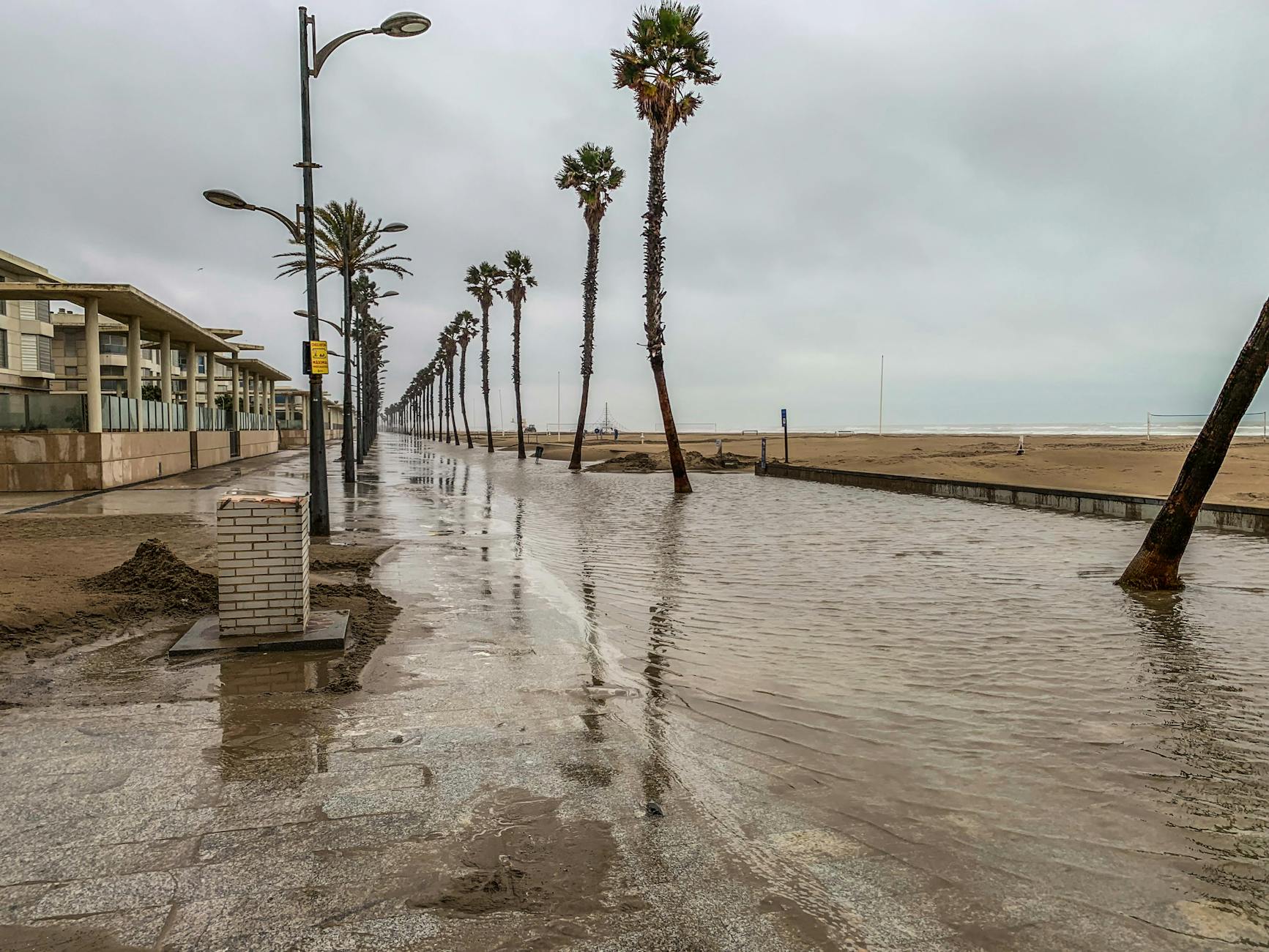
California’s iconic coastline is facing an urgent crisis as rising sea levels and extreme weather events accelerate coastal erosion and flooding. Properties like a multimillion-dollar beachfront condo in Capitola, despite its attractive offer of "the beach as your backyard," face significant risk from waves already breaking over homes. Recent storms have caused widespread damage, leading to submerged streets and closed beaches, foreshadowing a more dramatic future. Experts warn of record water levels this fall, threatening homes and public infrastructure. This escalating situation demands a fundamental shift in how we approach living with and protecting our dynamic shores. It's a stark reminder of climate change's immediate impacts and the critical need for sustainable action.
The beloved California coast is undergoing a profound transformation, with recent events serving as a clear warning. Even a luxurious beachfront condo in Capitola, priced at nearly $4 million, offers a risky proposition, with an oceanographer noting waves have previously broken over similar homes. From Long Beach to Newport Beach, areas recently celebrated for their beauty were submerged by waves, turning a part of a parking lot into a temporary extension of the ocean and forcing beach closures, as the sea reclaimed the coast. This isn't just a fleeting moment; scientists predict an "epic Super El Niño" this fall, coinciding with king tides and other natural phenomena, which could lead to unprecedented water levels and significant destruction.
Oceanographers like Gary Griggs from UC Santa Cruz and coastal flood experts like Timu Gallien of the UCLA Coastal Flood Lab confirm that piers, breakwaters, and jetties could be wiped out, presenting a stark "glimpse of our future," according to former California Coastal Commission Director Jack Ainsworth. While some communities have long been advised to prepare for rising seas, action has often been delayed. One suggested path, "managed retreat," involves moving structures inland, though it faces considerable challenges. Current responses, often limited to sandbags and plywood, are merely temporary fixes.
Protecting public infrastructure like roads, parks, and railways, which benefit everyone, should be a priority for any public investment. Temporary solutions such as sand berms and seawalls are increasingly inadequate. As Griggs, whose work was featured in Rosanna Xia's book "California Against the Sea", points out, "there’s nothing we can do to hold back the Pacific Ocean" in the long run; everything is a "Band-Aid" with a limited lifespan.
The heart of the issue lies in our attempt to impose permanence on a landscape designed to be constantly changing. Ecosystems are being squeezed between rising waters and human development, risking the loss of precious natural habitats and cherished beaches. This challenging situation underscores the urgency of addressing global warming and fostering a deeper respect for the powerful, dynamic nature of our environment. The California Coastal Act's 50th anniversary was a reminder that the coast is "always being saved," a sentiment borrowed from Peter Douglas, but now we face new threats requiring bold new strategies.