California's Coastline is Vanishing. What Happens Next?

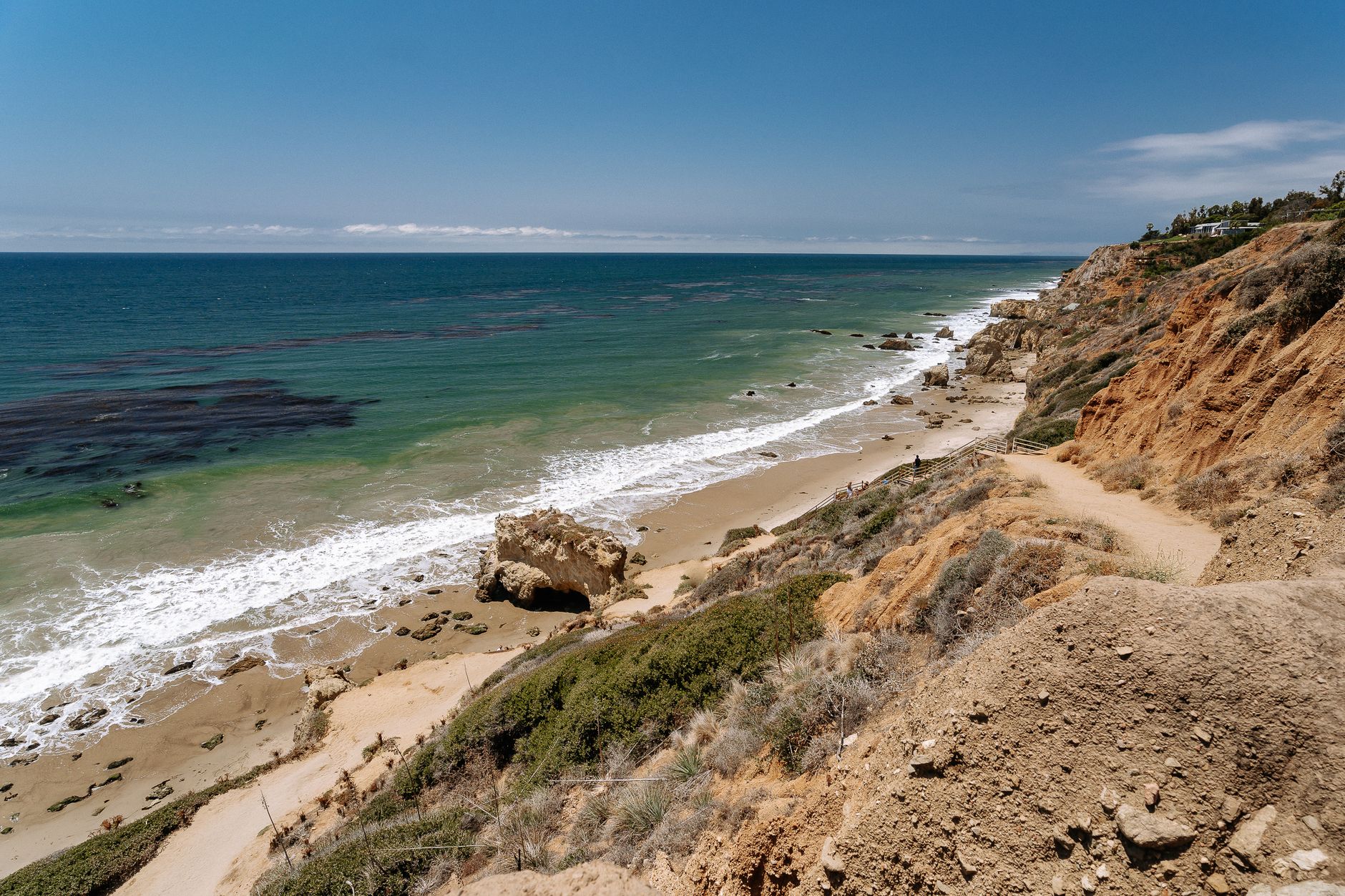
California's iconic beaches are rapidly eroding, facing an unprecedented assault from rising sea levels and powerful storms. A strong El Niño this winter is expected to worsen the situation, pushing tide lines higher and intensifying wave damage. This critical erosion not only threatens natural beauty but also vital infrastructure, underscoring the urgent need for robust environmental action and sustainable solutions to protect our changing coastlines.
The golden sands of California are being washed away, with devastating effects already visible from Carlsbad to Malibu. Hotter ocean waters are pushing tides higher, and powerful Pacific hurricanes are unleashing strong waves that demolish infrastructure and shrink beaches. The forecast for a powerful El Niño this winter will likely exacerbate these challenges, adding further pressure to already vulnerable coastlines.
Communities are struggling to keep up. In Malibu, Point Dume Beach saw 50 to 60 feet of sand vanish, threatening a crucial access road to Westward Beach. Emergency work crews are frantically placing rocks to protect the road, which is essential for local services. This isn't a new problem; past strong El Niños, like those in 1982-83 and 2015-16, caused significant damage and record beach erosion, including wrecked piers and widespread flooding.
The future looks even more dire. Research from the U.S. Geological Survey (USGS) suggests that between 24% and 75% of California’s beaches could be completely eroded by 2100 if no interventions are made. This is driven by sea-level rise, estimated to be between 3 to 10 feet in that timeframe. Climate change is already a major factor, with warmer ocean waters leading to sea levels that are currently 4 to 9 inches above official forecasts. Marine heat waves are warming the ocean much deeper than before, contributing significantly to this rise.
The impact extends beyond sand. Piers and coastal roads have suffered millions in damages from recent severe storms, highlighting the fragility of our coastal infrastructure. Experts like UC climate scientist Daniel Swain warn of widespread coastal flooding risks this winter, affecting key roads and communities. While local officials are preparing with pump station maintenance, storm drain clearing, and volunteer training for sandbagging, environmental advocates argue for a more sustainable approach.
Organizations like the Surfrider Foundation suggest that temporary fixes, such as lining beaches with rocks, are not enough. They advocate for long-term solutions, including rerouting roads and railroad tracks further inland. This would allow beaches to naturally shift and adapt to rising seas, safeguarding both our environment and the critical infrastructure that supports our communities. The choice is clear: adapt now or risk losing our beloved coastlines forever.