California's Easy Solar: A New Way to Power Your Home Emerges?

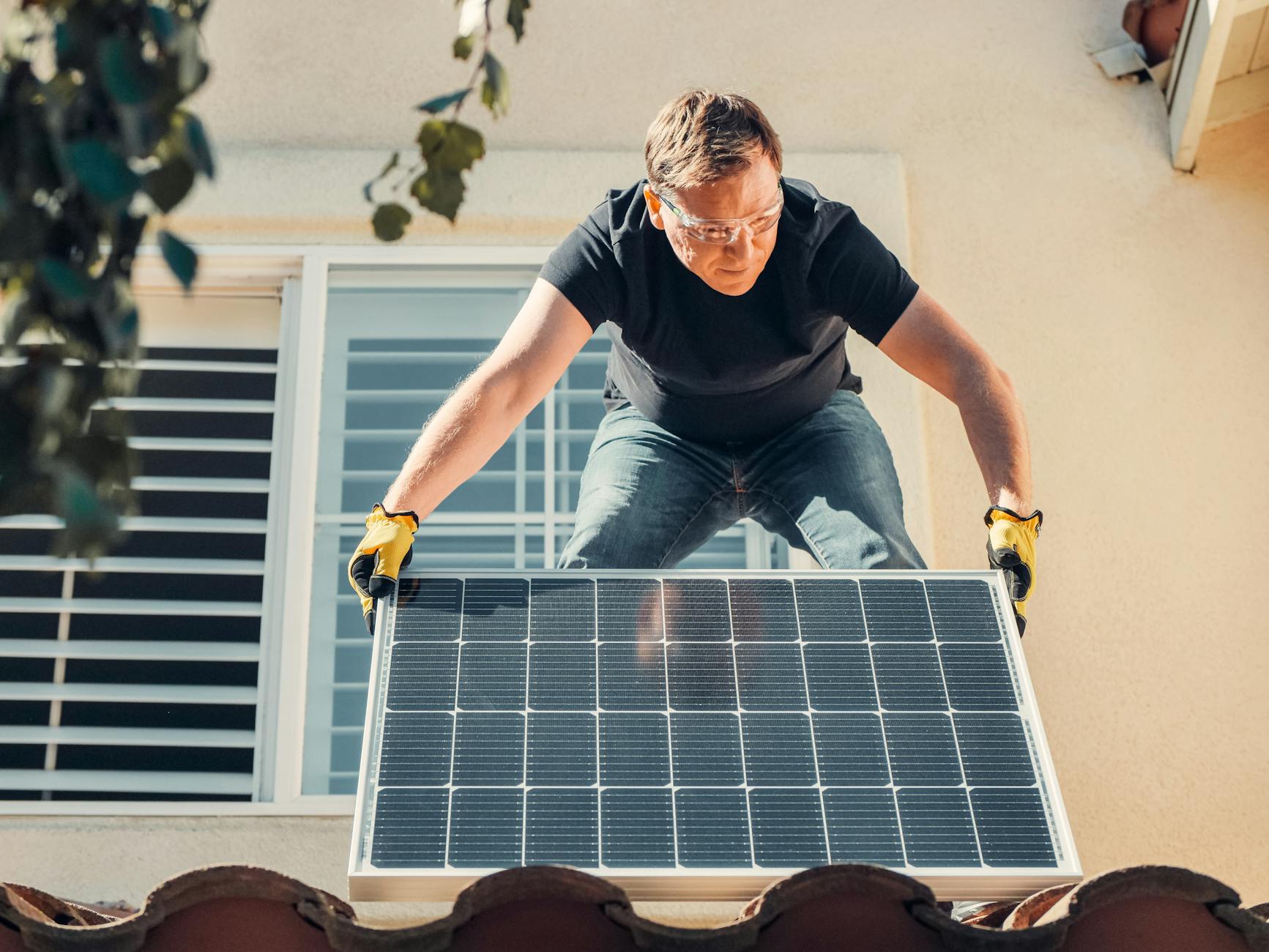
California is on the verge of a significant shift in personal energy use with Senate Bill 868, a proposed law that could legalize "balcony solar" — small, plug-in solar panels for patios or fences. This innovation promises to dramatically lower electricity bills for many, especially renters, by allowing direct connection to wall outlets. The move could empower more Californians to embrace clean energy, driving forward climate action and reducing reliance on traditional power grids. However, the bill faces opposition from utilities concerned about grid reliability and cost shifts, even as advocates champion its simplicity and environmental benefits.
For years, installing solar panels meant navigating complex processes with power companies, often too costly or impractical for many, especially renters. Now, a simpler solution, known as “balcony solar,” is gaining traction and could soon become legal in California.
These lightweight panels can be placed on a patio or hung on a fence and plugged directly into a standard wall outlet, instantly reducing electricity bills. States like Utah have already legalized them, and countries like Germany have seen widespread adoption, with panels even sold at popular big-box stores. This straightforward approach allows individuals to directly contribute to a cleaner energy future without significant upfront investment or complex installations, highlighting the benefits of accessible electrification.
In California, the practice currently exists in a regulatory gray area. Many residents, like Michael Scott from Oakland, are already enjoying savings after installing these systems, noting their ease of use. His midday energy consumption from Pacific Gas & Electric dropped to zero, showcasing the immediate impact of localized clean energy generation.
Senate Bill 868, co-sponsored by the Environmental Working Group, aims to streamline this by exempting plug-in solar from utility permissions once certified for safety. While Southern California Edison, utility workers, and firefighters have gone neutral, opposition remains from the Southern California Rental Housing Assn., which worries about tenants installing panels without notifying property owners.
Major utilities like San Diego Gas & Electric and PG&E also oppose the bill. They cite concerns about grid reliability, electrical safety, and potential cost shifts to non-solar customers. However, Senator Scott Wiener, the bill's author, dismisses these arguments, comparing them to opposing energy-efficient appliances for reducing electricity use. The senator emphasizes the critical need for solutions that make clean energy accessible to everyone, not just a select few, as we face the urgent challenges of global warming.
Making clean energy accessible to more people is crucial for cutting carbon emissions and achieving our climate goals. By empowering individuals to generate their own power, balcony solar represents a significant step towards a more sustainable and electrified future, providing direct economic and environmental benefits.