California's El Niño Challenge: Early Impacts Are Here

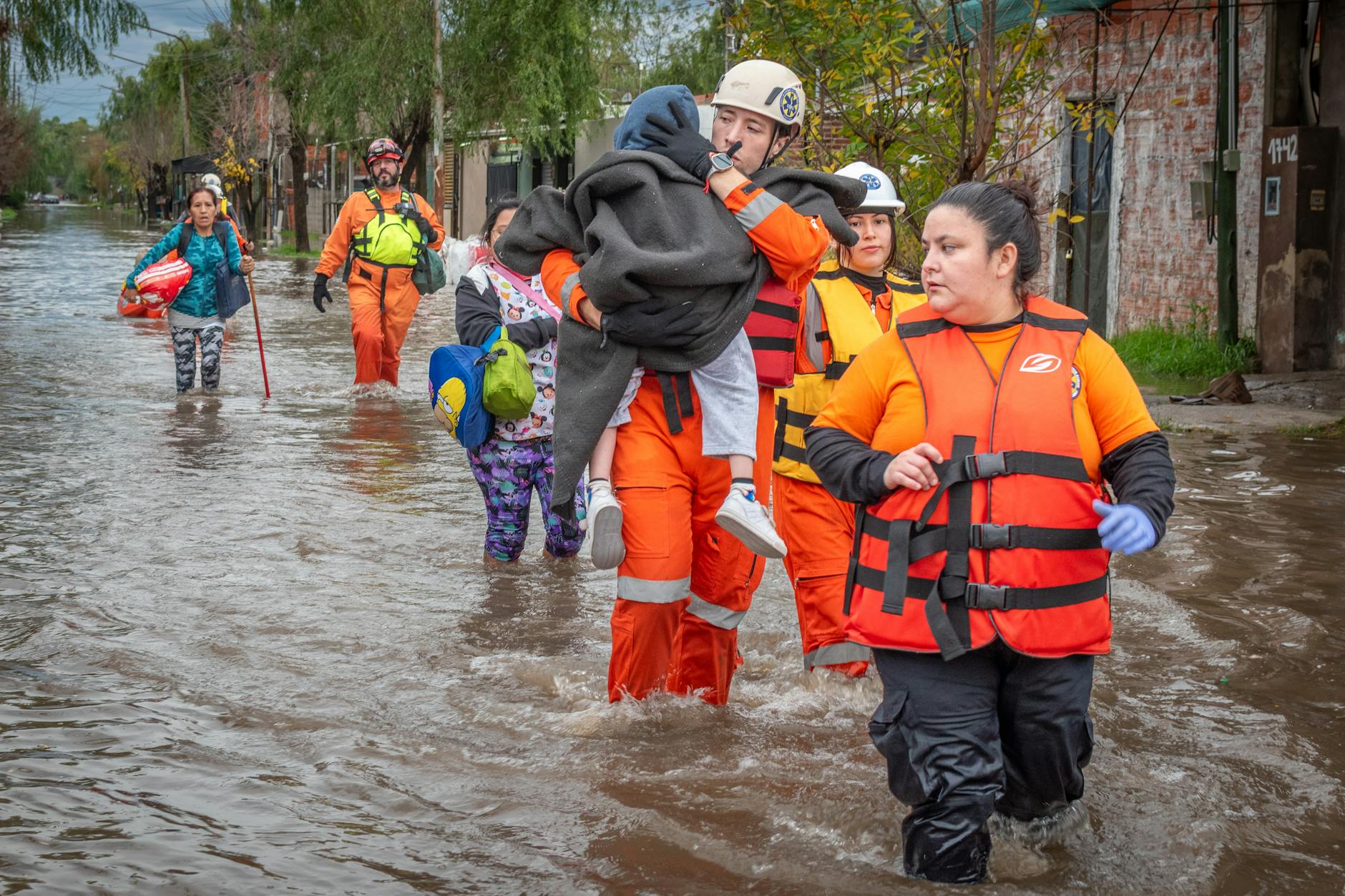
California is bracing for a potentially extreme El Niño winter, a weather pattern known for bringing heavy rains and powerful storms to the state. While the official winter season is still ahead, some communities are already experiencing early impacts, signaling a critical need for readiness. This natural phenomenon often leads to increased rainfall, raising concerns about flooding, mudslides, and widespread disruption. Local towns are now evaluating their defenses and stepping up preparations to safeguard residents and infrastructure against what could be a challenging season.
The recurring El Niño phenomenon historically brings significant shifts in global weather, often intensifying rainfall across California. This year, the focus is squarely on how prepared the state's diverse communities are for what's to come, especially as initial effects have already begun to surface in various towns.
Anticipated impacts include widespread flooding in low-lying areas, potential mudslides in fire-scarred regions, and damage to vital infrastructure like roads and power lines. These events underscore the critical importance of proactive environmental action and community resilience. Towns are actively deploying measures such as distributing sandbags, clearing storm drains, and reviewing emergency response plans. These efforts highlight a collective understanding that preparedness is key to mitigating the environmental and social disruptions that extreme weather can bring.
Preparing for El Niño is not just about reacting to immediate threats; it’s about building long-term sustainability and protecting our natural surroundings from intense weather patterns. Every action, from individual readiness to community-wide initiatives, contributes to a stronger, more resilient California in the face of increasingly unpredictable weather.