California's Energy Paradox: Why a Nuclear Exit Just Reversed Course

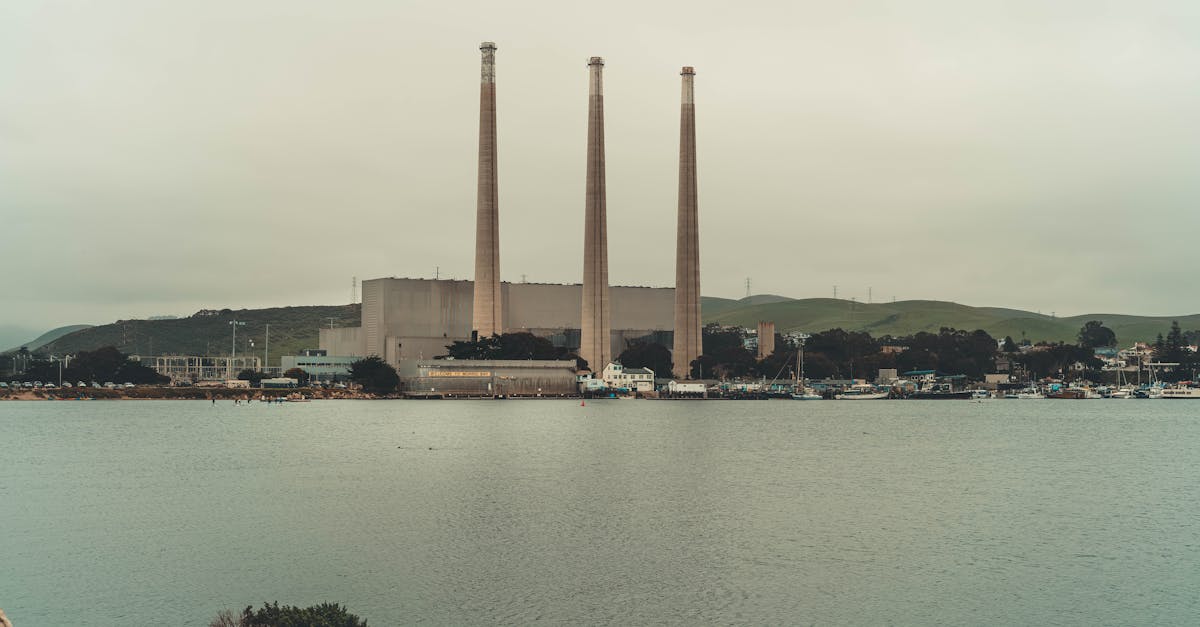
California is reconsidering its long-standing plan to shut down the Diablo Canyon nuclear power plant. Originally set for closure in 2025, the plant received an extension to 2030, and now a movement is growing to keep it running until 2045. This surprising shift comes as the state grapples with surging electricity demand driven by artificial intelligence, electric vehicles, and building electrification, alongside ambitious goals for 100% carbon-free energy. The debate highlights the complex challenges of transitioning to a sustainable energy future while ensuring a reliable power supply.
Nestled on California’s Central Coast, the Diablo Canyon nuclear power plant, which provides electricity for nearly 4 million people, doesn't look like it's preparing for retirement. Despite a decade-old agreement by operator Pacific Gas & Electric to close its reactors by 2025, state officials, including Gov. Gavin Newsom, extended its life to 2030, acknowledging the state wasn't ready to lose this consistent power source.
Now, a broad coalition of groups, including businesses and labor unions, is pushing for an even longer extension to 2045. Their argument is clear: nuclear power generates electricity without producing greenhouse gases, making it a critical bridge to California's clean energy future. This carbon-free output is vital as the state aims for 100% carbon-free energy by 2045.
This reconsideration reflects a larger trend across the U.S. Amid a remarkable surge in electricity demand—projected to increase by 50% through 2045 due to new technologies like AI data centers, electric vehicles, and home electrification—other nuclear plants like Three Mile Island in Pennsylvania and Duane Arnold in Iowa are also slated to restart after previous closures. These facilities offer continuous, reliable power that doesn't depend on weather conditions, unlike many renewables.
However, not everyone agrees that extending Diablo Canyon’s life is the answer. Opponents, including local residents and environmental groups, are deeply concerned about the plant’s aging infrastructure, the ongoing accumulation of nuclear waste, and its location near numerous earthquake fault lines. They also point to the plant's use of 2.5 billion gallons of ocean water daily for cooling, which discharges hot water into marine habitats, raising questions about environmental protection.
Some experts argue that keeping Diablo Canyon online hinders the growth of renewable energy, forcing the state to curtail solar power during peak production. While California has made impressive strides in solar and battery storage, becoming a national leader in battery capacity, it still seeks round-the-clock clean power. Offshore wind projects have faced political opposition, and geothermal energy’s full potential is yet to be realized. Replacing Diablo’s consistent output with only solar and batteries could prove technically complex and expensive, especially during times of high demand.
Conversely, others highlight successful clean energy projects like the SunZia wind farm in New Mexico and a major geothermal initiative in Utah, suggesting alternatives are viable without nuclear. They contend that the push to extend Diablo Canyon's operations is more about financial and political will than actual energy necessity.
The decision now rests with the Legislature, with key issues like PG&E's loan repayment, safety, waste storage, and local community impacts still needing to be addressed. The choice will shape California's energy landscape and its path to a sustainable, carbon-free future.