California's EV Revolution: How It Persists Despite Roadblocks

California is forging ahead with its electric vehicle (EV) transition, expanding charging infrastructure and increasing EV sales despite significant federal efforts to slow progress and promote fossil fuels. This determination is crucial for the state's ambitious climate goals, including achieving carbon neutrality by 2045. With transportation accounting for about half of its greenhouse gas emissions, California's sustained push for electrification is vital for environmental protection and public health.
The federal government has taken numerous steps to impede the shift to electric vehicles. These actions include eliminating federal tax credits for EV purchases and overturning California's authority to set stricter vehicle emission standards. The administration even repealed the basic finding that greenhouse gases are dangerous, which is the legal foundation for regulating vehicle emissions, and tried to halt a federal program for public EV chargers. Automakers nationally have also adjusted plans, with some canceling EV models.
Despite these challenges, California's commitment to clean transportation remains strong. The state saw approximately 19% of new car sales being zero-emission vehicles in the second quarter of this year, significantly higher than the national average. Overall, about 1 in 12 cars on California roads are now zero-emission. State lawmakers have also introduced new incentives to replace lost federal rebates, further encouraging the adoption of electric vehicles.
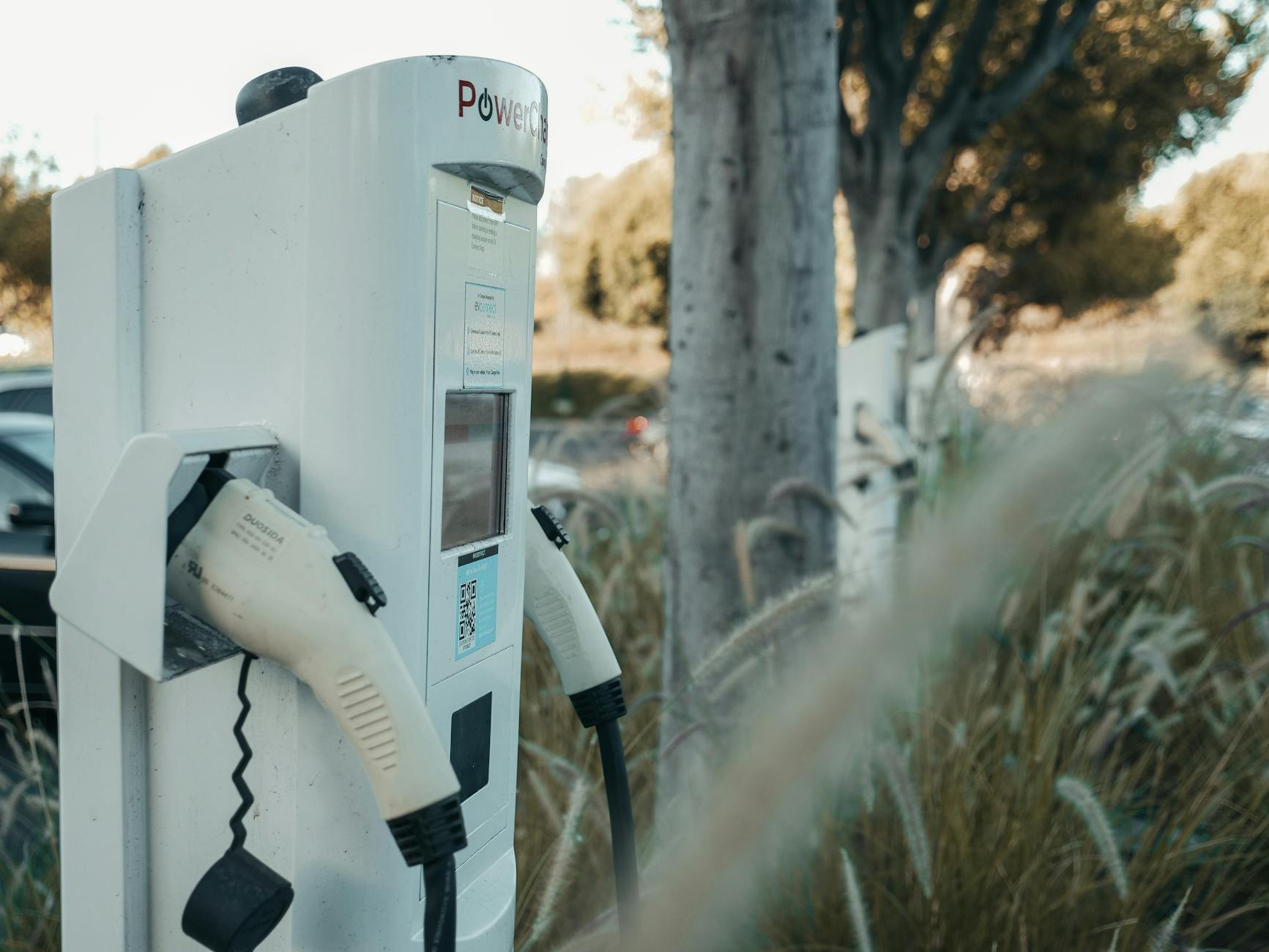
California is also expanding its charging network at a rapid pace. The state now boasts more public EV chargers than gasoline nozzles, with over 216,000 publicly available stations. Even when federal funding for chargers was frozen, California continued its expansion, adding the most new fast-charging stations of any state in the last quarter. The high utilization rate of these chargers shows a clear demand, especially from drivers who charge away from home and the growing electric ride-hailing sector.
Companies like Rivian, headquartered in California, remain committed to the state's vision, launching new EV models to meet high demand. While policy shifts create uncertainty for the industry, the rising demand for EVs, partly fueled by soaring gasoline prices, and California's clear regulatory vision continue to drive progress. This sustained effort is essential to reduce harmful emissions and improve air quality, particularly in heavily polluted communities, showcasing why cleaner electric solutions are superior for our planet.