California's Farming Secret: What's Hiding Beneath Our Crops?

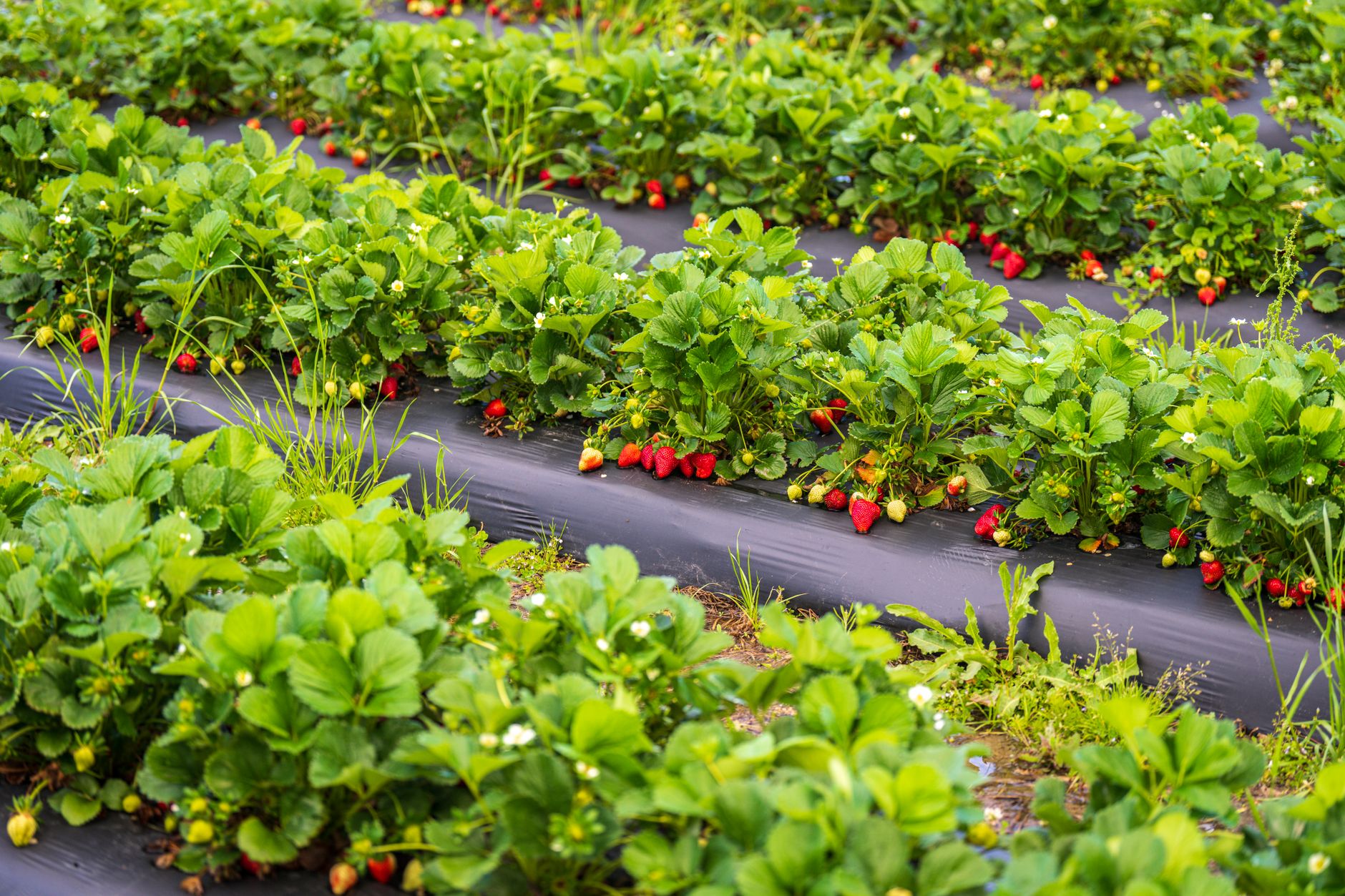
California farmers have long relied on plastic mulch to boost crop yields and control pests, a practice known as "plasticulture." However, this widespread use, especially for popular crops like strawberries, now presents a significant environmental dilemma. As plastic production escalates and is tied to fossil fuels, microplastics are accumulating in our soils and waterways, raising alarms about food contamination and ecosystem health. Scientists are urgently seeking truly sustainable alternatives to protect both agriculture and our planet.
For decades, plastic mulch has been a cornerstone for California farmers, a simple tool derived from oil and gas that helps crops thrive by stabilizing soil temperature and keeping weeds and diseases at bay. This innovative approach, often called "plasticulture," drastically increased yields for everything from corn to tomatoes. However, this convenience comes with a heavy price for our environment.
Today, those glimmering fields, particularly visible in California’s coastal agricultural regions, are not just reflecting the sun; they’re revealing a growing crisis. Plastic production has exploded globally, from 2 million tons in 1950 to 460 million tons in 2019, and is expected to triple by 2060. This boom contributes significantly to climate-warming pollutants, as nearly all plastic is made from fossil fuels, perpetuating demand for oil and gas as other sectors transition to clean energy. Once used, these plastics don't disappear; they break down into tiny fragments called microplastics, polluting our soils, washing into our rivers and oceans, and even floating in the air. Scientists realized by 2017 that plastic pollution, long recognized as a major threat to marine life, may be contaminating lands in far greater volumes, partly due to agricultural debris.
Experts, like soil ecologist Seeta Sistla from California Polytechnic State University, San Luis Obispo, highlight that agricultural plastics are contaminating our farmlands at alarming rates. Her team found over 215,000 plastic pieces per hectare in coastal California fields. This mirrors a 2020 study from China, which found accumulated plastic residue reduced cotton yields. In California’s Monterey County, researchers determined in 2019 that growers used nearly 8 million pounds of plastic mulch annually, with over 80% of stream plastic traceable to it. This pollution isn’t just unsightly; it's reducing crop-nourishing soil nutrients and raising concerns about microplastics entering our food supply. Studies show plants can absorb microplastics through their tissues, and while the long-term health effects on humans are still not well understood, many scientists advocate for caution, suggesting it's safer to avoid consuming plastic taken up by plants.
The search for solutions is urgent. Initial efforts with "biodegradable" plastics, despite being certified to biodegrade within two years, have shown limitations. When tested in real-world conditions by Jazmine Mejia-Muñoz and her colleagues, some plastics took up to six years and potentially shed nanoplastics. This means truly sustainable, biologically based alternatives, such as mulches made from organic materials like paper and wood fiber, and mixing them with water to suppress weeds, are critically needed. Protecting our agricultural heartland and the food it produces requires a collective effort, including strong support from legislators to reduce plastic use and clean up existing contamination. Addressing the input of larger plastic debris, rather than just the micro-fragments, is seen as the pragmatic first step to safeguard our planet’s health.