California's Fire Outlook Splits: North Faces High Risk, South Is...
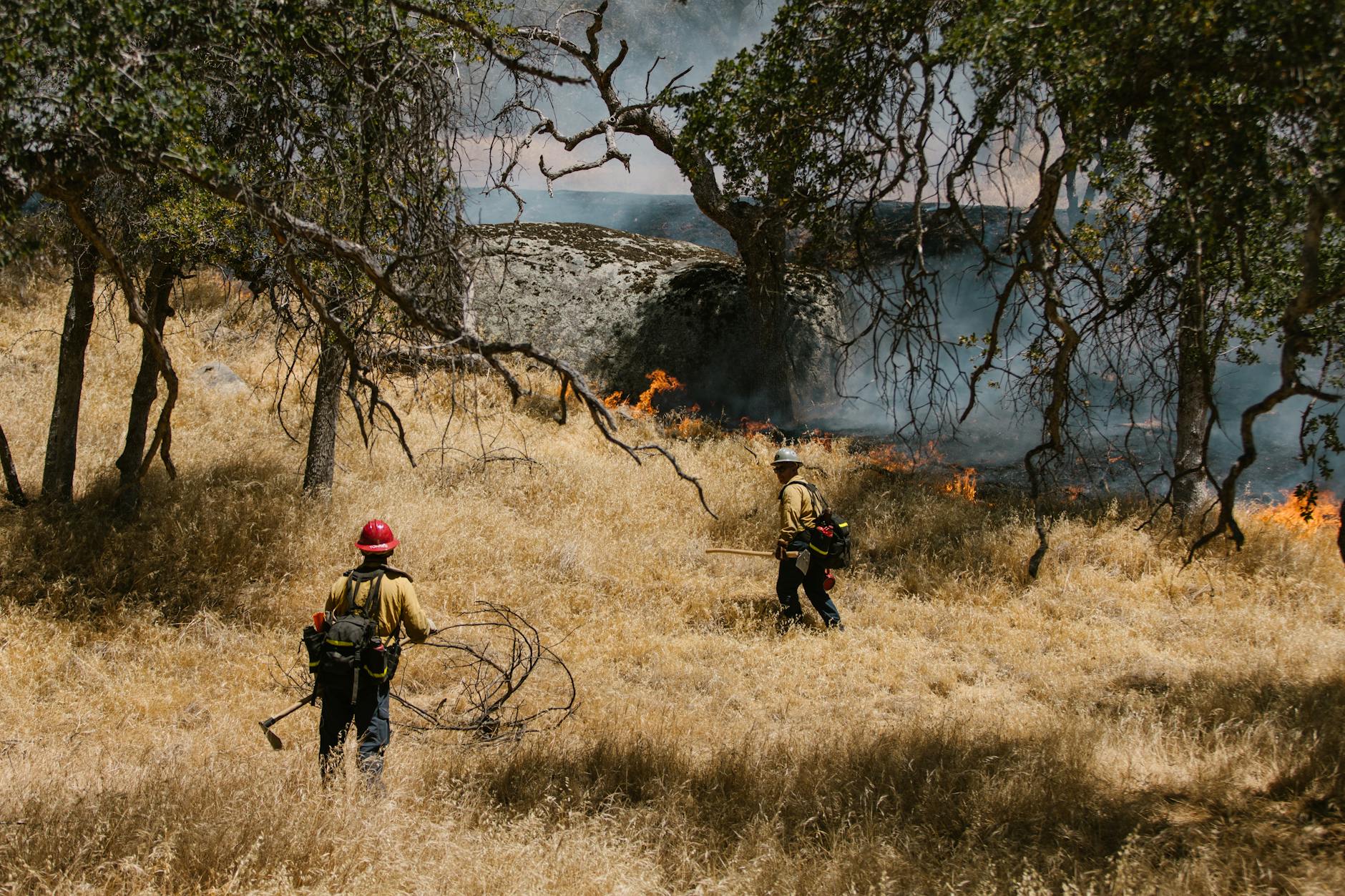
California faces a starkly divided wildfire season outlook this year, with Northern California bracing for a dangerous period while Southern California anticipates a more typical season. A record-breaking March heatwave in the north caused crucial mountain snowpack to melt prematurely, drying out vegetation earlier than usual and heightening fire risks. Meanwhile, Southern California's recent wet winter offers some reprieve, yet officials across the state are urging all residents to take proactive measures. This emphasizes the critical need for collective action to protect communities against the growing threat of wildfires, intensified by changing climate patterns.
Fire officials across California are sounding the alarm, particularly for Northern California, which faces a dangerous wildfire season. Unlike the southern part of the state, Northern California experienced a record-breaking March heatwave that melted its vital mountain snowpack much too early. This snowpack usually keeps vegetation moist well into summer, and its premature loss means a higher risk of fires spreading rapidly in dry conditions. This starkly contrasts with coastal Southern California, which had a very wet winter and expects a more typical fire season, as discussed in a wildfire season outlook briefing last month.
However, "typical" still means dangerous, as recent fires in Ventura and Santa Rosa Island showed—like the Sandy fire that destroyed a home or the Santa Rosa Island fire that burned through a third of the island. Authorities are clear: wildfires are a shared responsibility. They urge everyone to act now. Homeowners are encouraged to make their homes more resilient to fire, which includes covering vents with mesh to block embers and using robust windows. Creating "defensible space" around homes is also crucial, meaning clearing dead plants, ensuring gaps between shrubs and trees, and maintaining a 5-foot clear buffer right next to the house. Signing up for evacuation alerts and being ready to leave at the first sign of smoke are also vital steps.
Fire departments are doing their part too, actively thinning out flammable vegetation and creating "fuel breaks" in areas like the Santa Monica and San Gabriel Mountains. These efforts help slow fires and give firefighters strategic access. While state funding for these prevention projects is a concern and the U.S. Forest Service has seen workforce reductions, officials assure the public that the ability to fight fires remains strong. Ultimately, protecting our communities and environment from these increasingly intense fire seasons requires everyone's commitment and action.