California's Fire Season Twist: What Winter Rains Now Mean

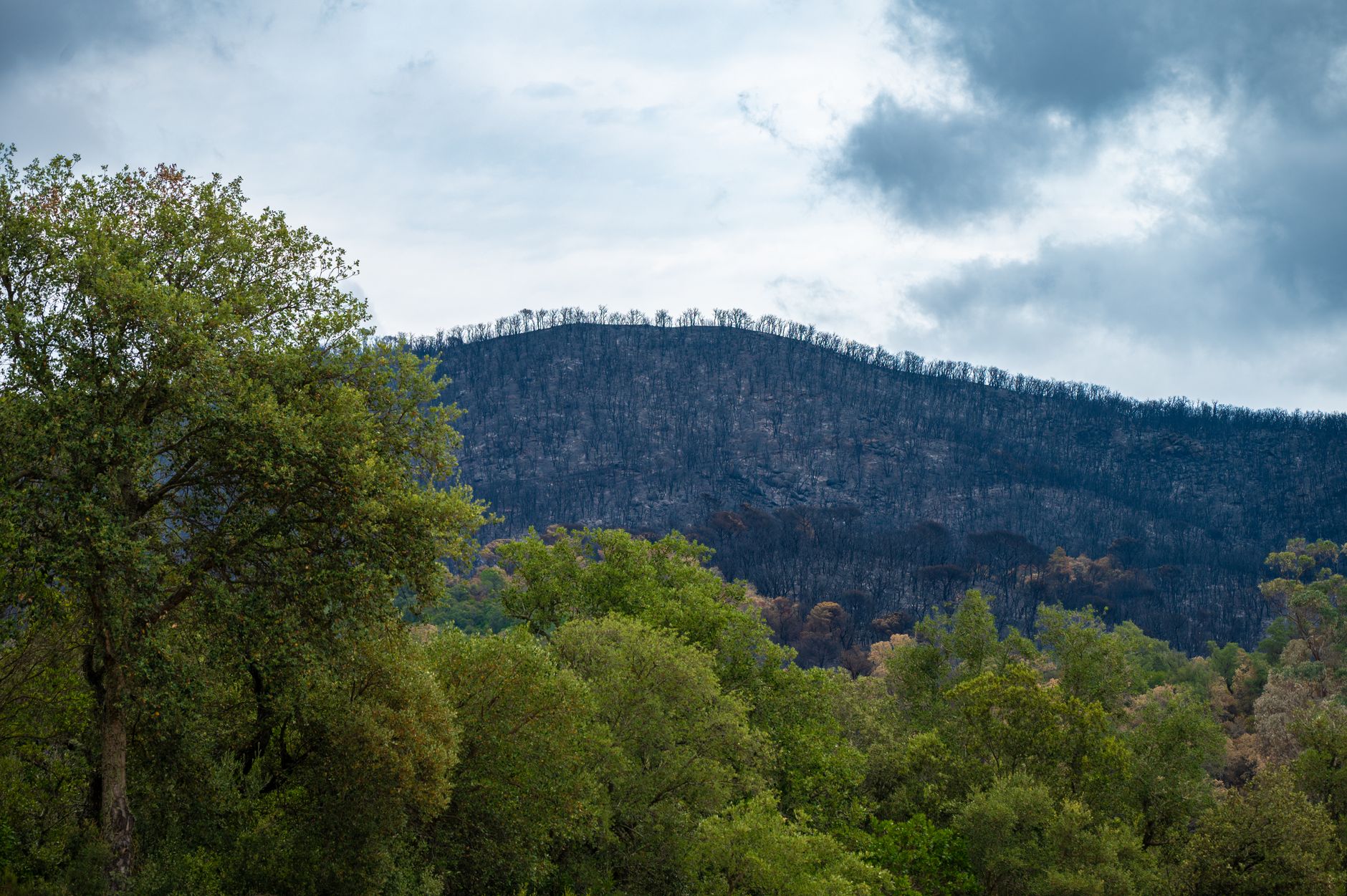
Southern California's recent El Niño-fueled storms, which brought heavy rains through summer and fall, are likely signaling an early end to the region's intense fire season. Experts suggest these downpours have significantly dampened the risk of large, destructive blazes for now. However, this welcome moisture also ushers in a new environmental challenge. With altered landscapes from past fires and more powerful storms driven by climate change, residents now face an increased threat of serious flooding and dangerous debris flows.
The consistent rain from El Niño has dramatically reduced the chances of major wildfires, especially across the Inland Empire, San Diego, and Orange counties. While some areas like Los Angeles and Ventura counties still need more steady precipitation, meteorologists confirm that the overall fire risk is diminishing rapidly as the season progresses. This is a crucial shift, particularly when considering past devastating events like the Norte, L.A. firestorm, and Mountain fires, which were fueled by dry conditions and strong Santa Ana winds.
Historically, October sees a significant drop in fire activity. However, the influence of a strong El Niño, combined with marine heat waves and broader climate change, is bringing more intense and warmer storms to Southern California. This trend has also led to an unusual frequency of tropical storm remnants reaching the region, further increasing moisture in the environment and helping to alleviate drought conditions.
While reduced fire risk is a relief, the changing weather patterns introduce a different set of dangers. Wildfires can leave behind hydrophobic soil, which repels water instead of absorbing it. This means that as more powerful El Niño storms are expected to hit, especially in burn scar areas, the risk of severe flooding and mudslides dramatically increases. Local authorities, like the Los Angeles Fire Department, are already bolstering resources for swift-water rescues and clearing drainage systems in anticipation of these threats.
This evolving situation highlights the urgent need for communities to adapt to our changing climate. Understanding how interconnected these weather phenomena are, from El Niño to rising sea temperatures, is key to protecting both our environment and our homes. It underscores that while one immediate threat may lessen, the broader impacts of global warming demand continuous preparedness and collective action towards sustainable solutions.