California's First Carbon Storage Project Faces Uncertain Future. Why?

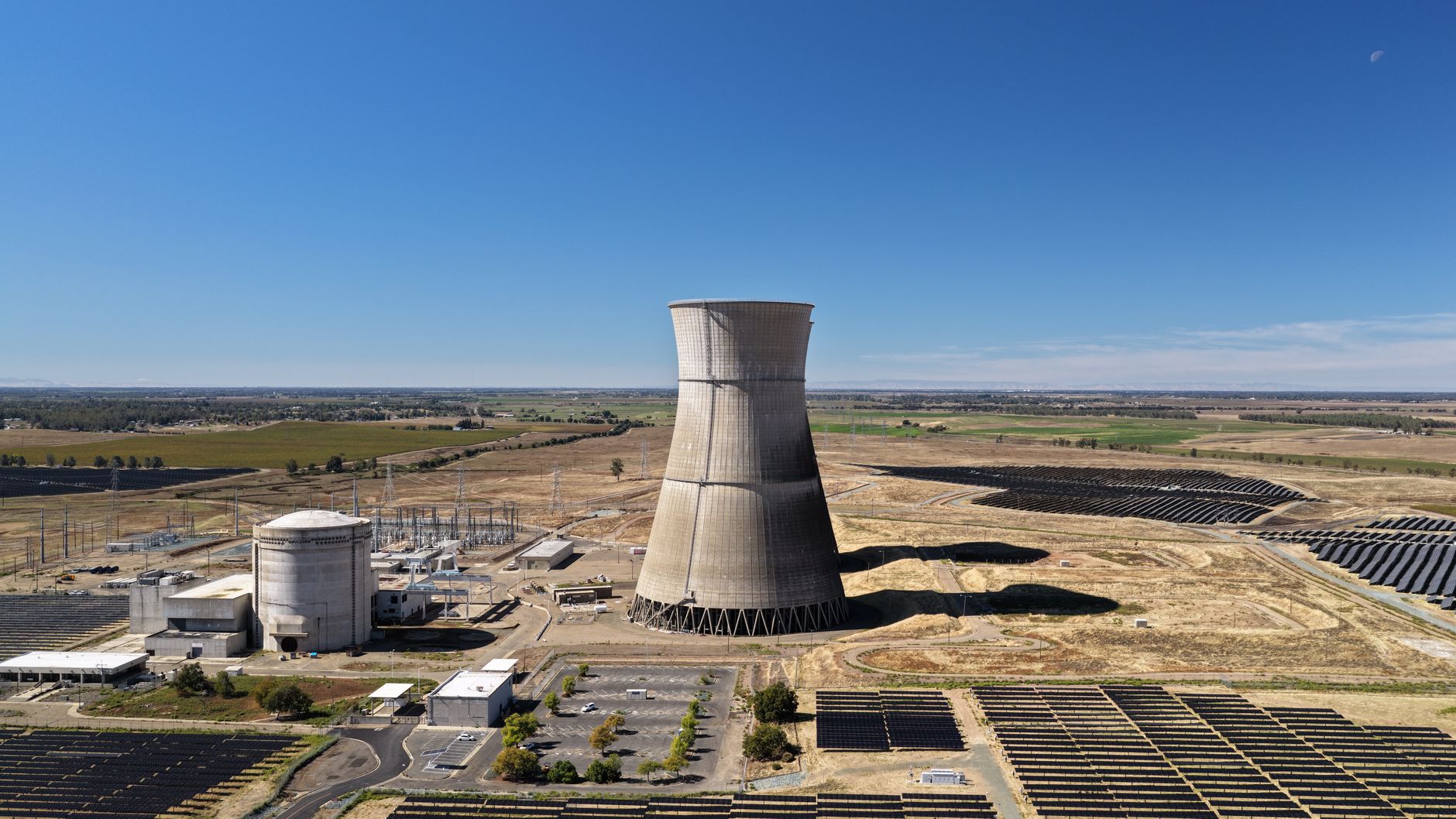
California’s inaugural industrial carbon storage project, Carbon TerraVault I, is currently operating despite facing a significant legal challenge. Designed to capture carbon dioxide from industrial activities and inject it deep underground, the project aims to curb global warming by reducing atmospheric greenhouse gases. However, a recent court ruling found that the project, located in Kern County, did not undergo a thorough enough environmental review. This legal battle highlights the complex path California faces in meeting its ambitious climate goals and balancing industrial solutions with environmental protection.
California Resources Corp. (CRC) started capturing emissions at its Elk Hills oil and gas field, compressing carbon dioxide into a liquid-like state and injecting it a mile below ground into old oil reservoirs. This facility was planned to store nearly 48 million metric tons of CO2 over 26 years, a method known as carbon capture and storage.
However, a Kern County Superior Court judge found that CRC and Kern County failed to adequately review the project's potential environmental effects. This oversight violated state law requiring public agencies to identify and reduce environmental impacts before approving such large-scale projects. While the judge initially ruled to halt operations, the site was permitted to continue running as CRC and the county prepare objections.
Environmental groups, including the Center for Biological Diversity, sued Kern County and CRC, arguing that the environmental review did not account for pollution from all the industrial plants that would supply CO2 to the operation. They also highlighted discrepancies in the project's projected carbon capture rates, noting that the county's own report showed a lower capture rate than what was assumed in the review.
CRC’s Chief Executive, Francisco Leon, expressed disappointment, stating that the project is on track to safely store about 100,000 metric tons annually. He warned that lawsuits like this could hinder vital climate solutions and potentially lead to higher overall greenhouse gas emissions. Kern County officials echoed this sentiment, emphasizing the extensive environmental review they believed they had conducted.
This debate is critical for California, which relies significantly on carbon storage to achieve its ambitious climate targets. The state's climate roadmap projects that carbon storage will contribute nearly 11% of necessary emissions reductions by 2030, rising to almost 23% by 2045. As California aims to reduce emissions by 40% by 2030 and achieve carbon neutrality by 2045, the deployment of such technologies must be both effective and rigorously vetted to ensure true environmental progress.