California's Forests are Vanishing. What's Missing from the Fight?

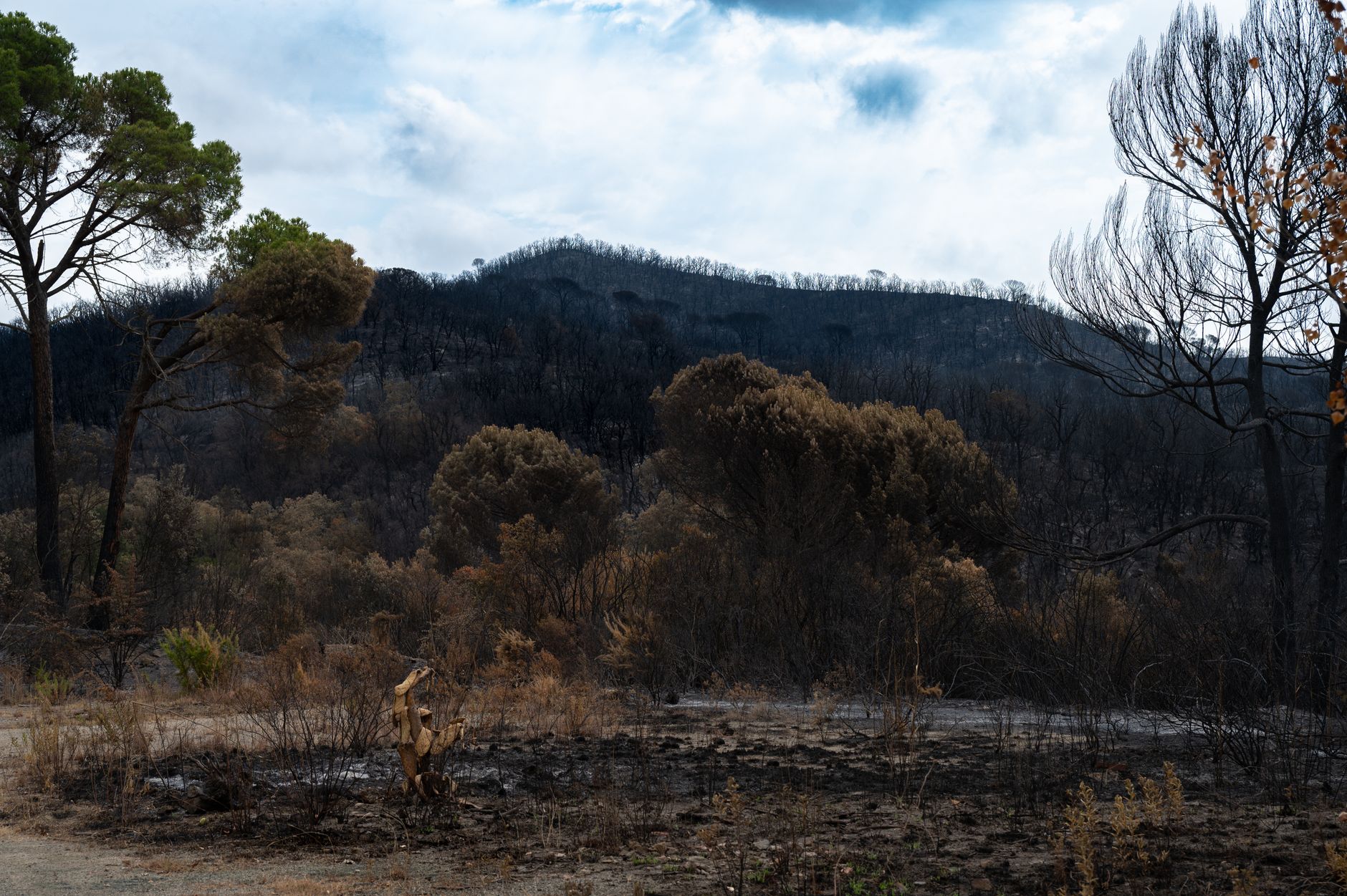
California's iconic forests are in peril, as severe wildfires fueled by climate change are burning them down faster than they can recover or be replanted. This alarming trend threatens not just the natural beauty of the state, but also vital ecosystem services like carbon storage, clean air, and water supplies. Experts warn that current reforestation efforts are nowhere near the scale needed to combat the devastation, risking permanent loss of these crucial landscapes. The urgency of climate action and robust sustainable solutions has never been clearer.
In Northern California, a cold warehouse holds 42,000 pounds of seeds—a frozen vault containing the future of the state's forests. These seeds are critical for replanting lands devastated by wildfires, especially for private landowners.
However, California is burning at a rate that far outpaces reforestation efforts. Over the last quarter-century, high-severity wildfires have completely destroyed 2.3 million acres of forestland, leaving them unlikely to regrow naturally. By 2071, an analysis suggests that half of California's forest area could be gone forever.
These forests are essential for absorbing carbon, protecting water sources, cleaning the air, and providing homes for wildlife. Yet, to replant just a quarter of the severely burned private lands, California would need to boost its seed bank capacity by roughly 300% according to Cal Fire. This doesn't even account for the vast federal lands that also need replanting.
The challenge stems from decades of declining investment in reforestation. The U.S. Forest Service, which once relied on timber harvests to fund replanting, saw its non-fire staff shrink by 39% between 1998 and 2015 due to increasing wildfires and environmental protections according to a 2015 report. Though new funding in 2021 helped boost replanting nationwide as championed by American Forests, the need still far exceeds the resources. Rebuilding this capacity, from collecting seeds to growing seedlings, is a slow and demanding process.
Even California, considered better prepared than other Western states, is struggling. A draft state reforestation strategy, while aiming to coordinate efforts, currently lacks dedicated funding. The plan suggests scaling up reforestation by 35% annually to meet state goals of 280,000 acres per year by 2030, a costly endeavor at up to $6,400 an acre. Currently, only about 16% of the severely burned forest between 2020 and 2024 has been replanted, with federal lands lagging even further.
Finding enough quality seeds is a major bottleneck. Cal Fire’s staff chief for wildfire resilience, Stewart McMorrow, notes the intense effort required, including specialized tree-climbing programs to collect cones. Despite dedicated efforts and some state funding for preliminary planning, the overall investment remains a small fraction of what's needed. Previous state budget cuts even forced the closure of Cal Fire's nursery in the early 2000s, which only fully reopened in 2017. As climate change intensifies fire seasons, the fight to save California's forests demands sustained and significant environmental action.