California's Hidden Fuel Crisis: What it Means for Your Grocery Bill

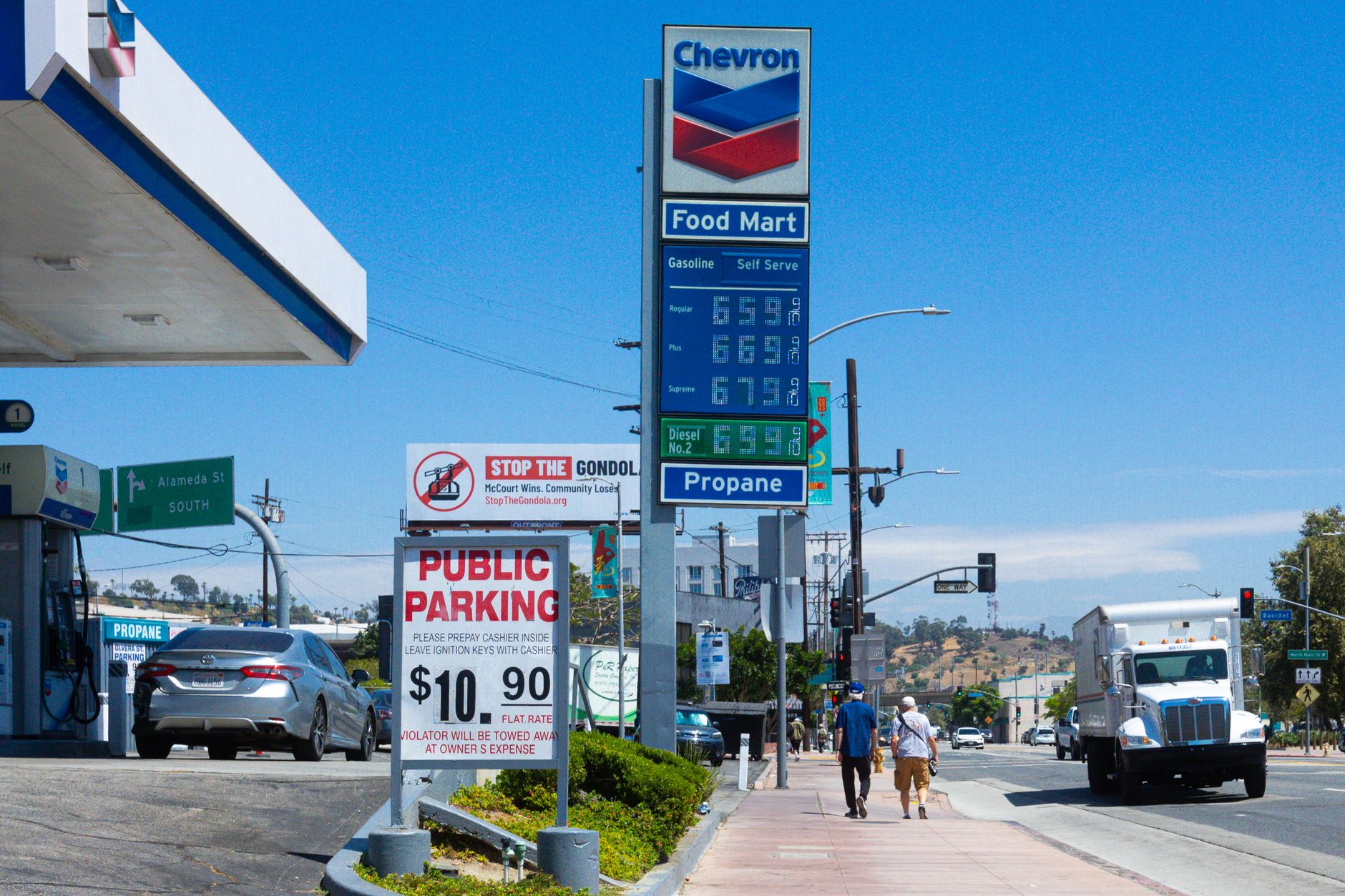
California is experiencing unprecedented diesel fuel prices, with averages soaring to around $7.71 per gallon—far exceeding the national record. This surge is creating immense pressure on vital industries like agriculture and trucking, impacting everyone from farmers trying to harvest almonds to the logistics companies moving goods. The ripple effect means higher costs are increasingly being passed on to consumers, particularly affecting grocery prices. This situation not only highlights the economic vulnerabilities tied to fossil fuel markets but also underscores the urgent need for robust, sustainable alternatives to secure our future and mitigate climate impacts.
In California’s Central Valley, farmers like Jay Mahil of Creekside Farming are grappling with a 40% jump in fuel costs to power their machinery, especially during critical harvest times. This isn't just a challenge for growers; it's a massive hurdle for the state’s extensive trucking industry. Greg Dubuque, who manages a Montebello trucking fleet, has seen the cost to fill his vehicles skyrocket from $1,200 to $1,800. These soaring expenses hit small and medium-sized businesses hardest, many of whom are crucial for moving cargo through major hubs like the Port of Los Angeles.
The primary culprit behind these record prices is ongoing supply chain disruptions, largely stemming from geopolitical events causing longer shipping routes and dwindling domestic fuel supplies. Such turmoil means that transporting everyday goods, especially temperature-sensitive items like fresh produce, costs more, a burden that eventually reaches your shopping cart. Experts suggest while businesses try to absorb some of these increases, grocery prices are already ticking up in stores.
California's unique tax structure and environmental standards typically mean higher fuel prices compared to the national average. Given that a significant portion of U.S. imports pass through the state's ports, California’s fuel costs inevitably influence the national supply chain. This vulnerability to fossil fuel market volatility clearly highlights why accelerating our transition to cleaner, electrified solutions is so critical. Moving toward electric farm equipment and freight trucks offers a pathway to economic stability, reduces our reliance on fluctuating global markets, and significantly lowers emissions for a healthier planet.
While an economist might point out that, when adjusted for inflation, current fuel prices aren't an all-time high, and that the U.S. economy is less sensitive to such shocks thanks to alternative energy sources, the immediate impact on businesses and households is undeniable. The current spike serves as a powerful reminder of the benefits of comprehensive electrification across our industries. It’s an investment not just in economic resilience, but also in environmental protection and the global fight against climate change. These price surges also carry significant political weight, affecting public sentiment as key elections approach, according to AP-NORC polling.