California's Hidden Threat: What's Driving a Disease Surge?

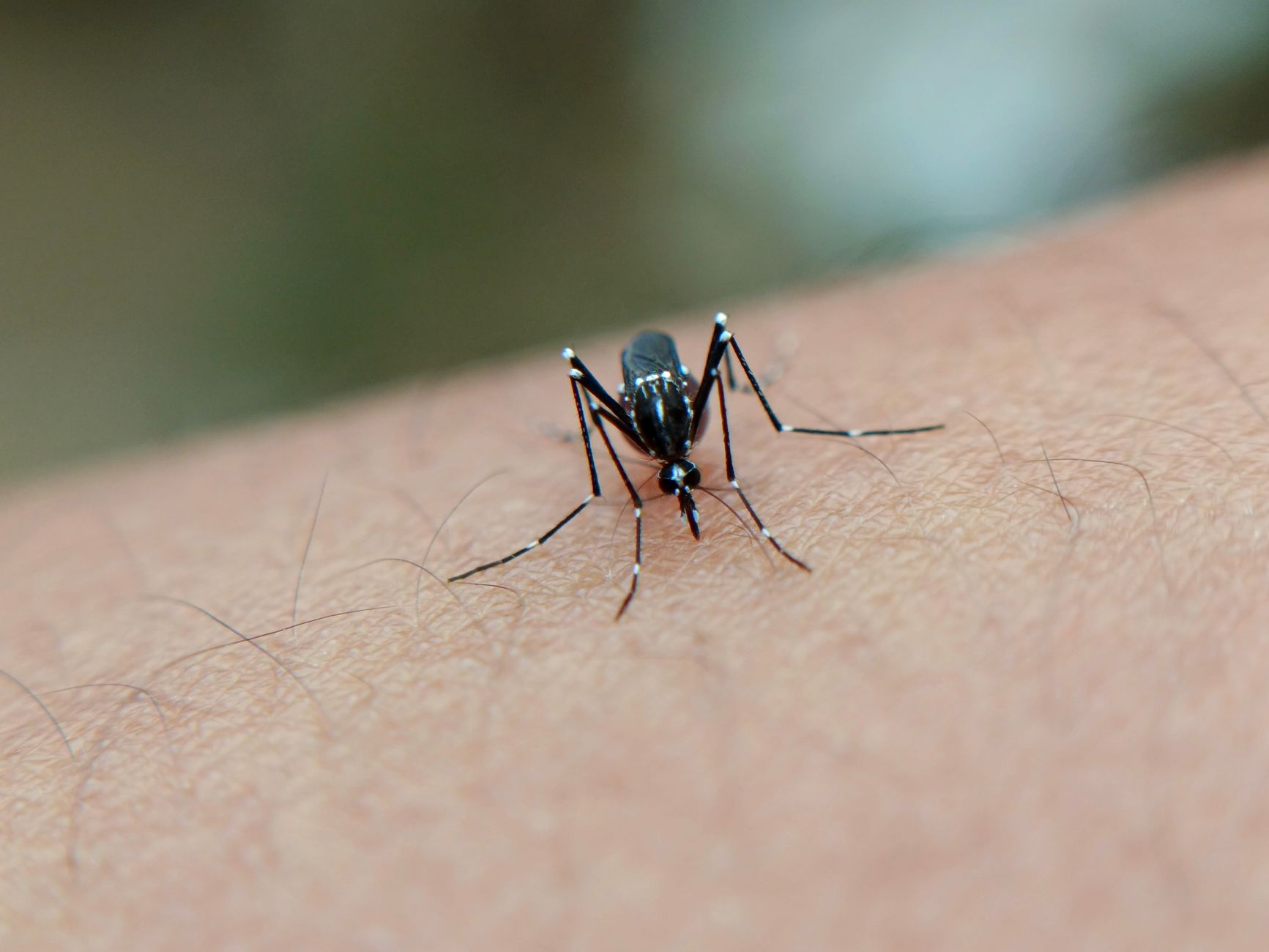
California is facing a concerning rise in diseases carried by insects like mosquitoes, ticks, and fleas. Recent cases of tularemia, Rickettsia, and a significant spike in West Nile virus are raising alarms across the state. While better tracking plays a role, experts confirm that environmental changes, including warmer temperatures, are creating ideal conditions for these disease vectors to thrive and spread. This growing public health challenge underscores the urgent need to address the impacts of a changing climate on our well-being.
It feels like California is seeing a surge in diseases carried by various creepy crawlies. We're seeing alarming reports of tick-borne tularemia and Rickettsia, alongside the expansion of Lyme disease and Alpha-gal syndrome. Dengue and typhus are increasing, and familiar threats like West Nile, Zika, and Chikungunya persist, with new diseases like Chagas and rat lungworm disease potentially settling in. It's more than just news hype; experts confirm a real increase, with California often at the forefront.
So, what's happening? Scientists like Janet Foley, a disease ecologist at UC Davis, directly link this rise to our planet's changing conditions. Warmer temperatures and extreme weather, such as record heat waves, extend the breeding and active seasons for insects. This year, for example, a March heat wave led to a huge spike in California’s native Culex mosquitoes, which transmit West Nile virus. Cases of West Nile are at a 20-year high nationally, with positive mosquito samples in Los Angeles County ten times higher than last year. This trend means pathogens and insects typically found in warmer regions are migrating northward, a phenomenon already underway.
Another major concern is dengue, often called “breakbone fever.” This painful and sometimes fatal disease is carried by an invasive African mosquito now established in California. Research suggests that around 18.2 million Californians are already living in areas suitable for local dengue transmission, primarily in the Central Valley and major metro areas. With continued climate warming and urban growth, millions more could be at risk by mid-century. The state saw its first locally acquired cases in 2023, which jumped significantly in 2024, highlighting the rapid local spread.
Flea-borne typhus is also on the rise, especially in Southern California. Again, a warmer climate means longer flea seasons. As communities expand, people and their pets increasingly encounter wildlife, creating more opportunities for the typhus bacteria to spread to humans. While rodenticide bans meant to protect larger wildlife might play a complex, unintended role by allowing vector reservoir animals to thrive, the core issue remains the disruption of natural ecosystems.
Ultimately, pinning down a single cause is challenging because ecosystems are complex. However, what is clear is that as humans move deeper into natural habitats and disturb ecosystems, we increase our contact with previously isolated pathogens. This environmental disruption, driven by our actions, creates more chances for new diseases to emerge and old ones to spread. We can expect to see more of these health challenges unless we prioritize environmental protection and sustainable living.