California's Landmark Climate Law Faces a Surprising Hurdle

Twenty years after enacting its pioneering Global Warming Solutions Act (AB 32), California finds itself significantly off track to meet its ambitious future greenhouse gas reduction targets. While the state successfully hit its initial 2020 goal years ahead of schedule, new data reveals a slower pace of emissions cuts now threatens the crucial 2030 and 2045 objectives. This setback underscores the ongoing urgency of climate action and the complex challenges of transitioning to a cleaner economy, even for a global leader in environmental policy.
California's 2006 Global Warming Solutions Act, AB 32, was a groundbreaking effort that set legally binding targets to curb greenhouse gas emissions. It successfully led the state to meet its 2020 target of returning emissions to 1990 levels six years early, a testament to its initial impact. However, the path to deeper cuts for 2030 and 2045 presents a much steeper climb.
According to the state's latest greenhouse gas emissions inventory, California is only about halfway to its 2030 goal of cutting emissions to 40% below 1990 levels. To meet this target, the state needs to reduce an additional 86 million metric tons of carbon, a pace that suggests the goal won't be achieved until 2034, four years behind schedule. The 2045 target, aiming for 85% below 1990 levels, appears even further out of reach, requiring more than double the current annual reduction rate from 2030 onwards.
Several factors contribute to this slowdown. State officials point to federal interference, including revoked tailpipe rules and challenges to California’s electric vehicle sales targets, which threaten the momentum of cleaner transportation. Additionally, the transition requires costly infrastructure upgrades and addresses the reality that many residents still depend on natural gas for homes and gasoline for cars, raising affordability concerns. Finding a balance to ensure no one is left behind during this transition is crucial, as noted by former Assembly Speaker Fabian Núñez, co-author of AB 32.
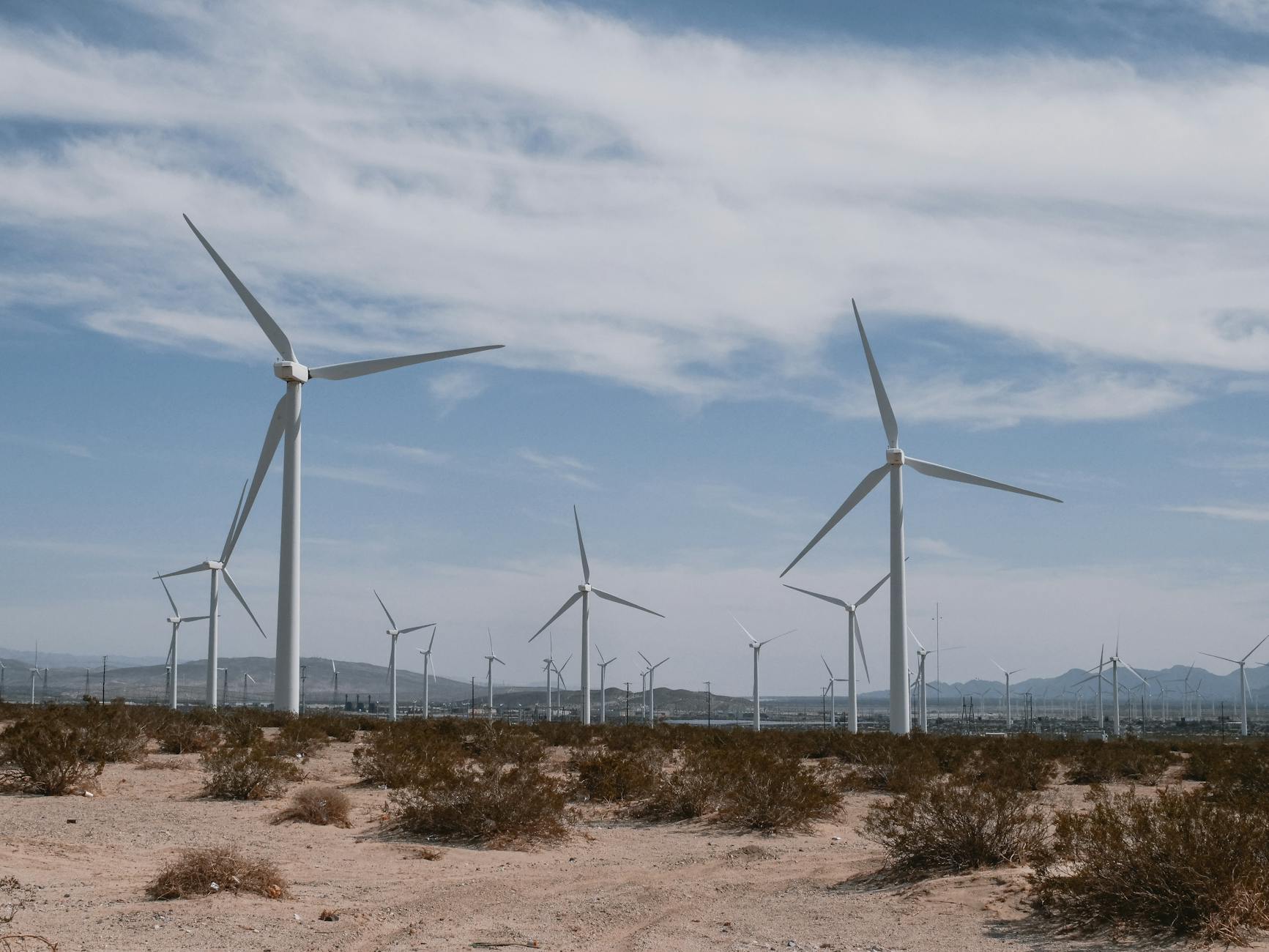
Despite these challenges, progress is being made. A 3.9% emission cut in 2024 was a significant improvement, driven largely by cleaner transportation, increased electrification, and a greater share of renewable energy sources like wind and solar. Investments in battery energy storage and the legalization of plug-in solar panels are also helping. These clean energy solutions consistently outperform fossil-fuel alternatives by drastically reducing air pollution and offering long-term environmental benefits, making our communities healthier and our planet more sustainable.
However, transportation remains California's largest source of emissions, highlighting the critical need for more zero-emission vehicles and improved public transit. Governor Gavin Newsom emphasized that California’s economy has grown dramatically since AB 32's passage, demonstrating that strong climate action can go hand-in-hand with economic prosperity. Still, the state must not become complacent.
Globally, the situation is dire. A recent United Nations report indicates that the U.S. actually increased its emissions last year, contributing to the world being on track for a dangerous 4.7 degrees of warming by 2100. This stark reality underscores the immense importance of California not just setting ambitious goals, but vigorously pursuing and achieving them. The continued commitment to sustainability and collective climate action is essential to protect our planet for future generations.