California's Last Mideast Oil Arrives. What Comes Next?

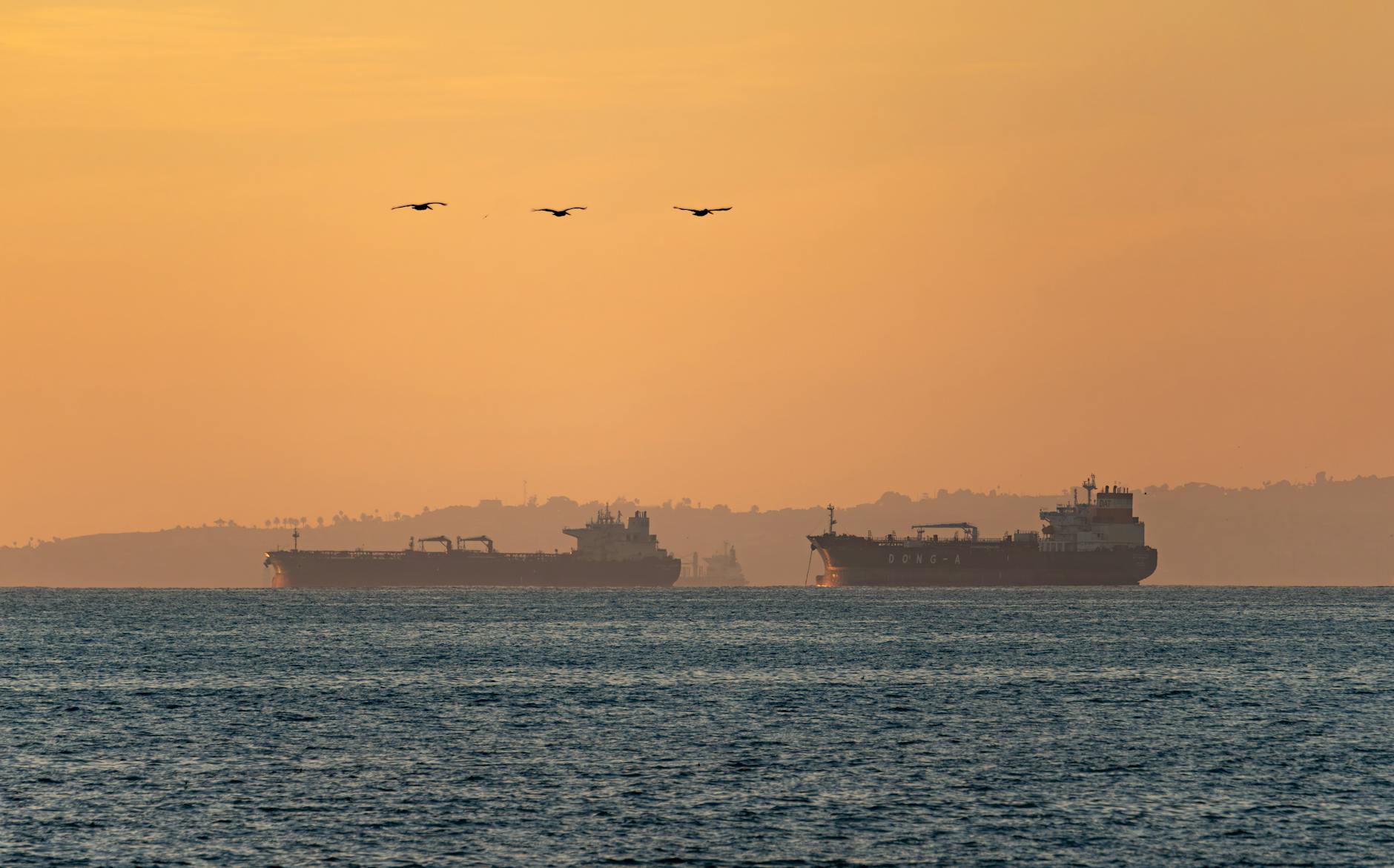
California is facing a critical turning point as the last major oil shipment from the Persian Gulf docks in Long Beach. This arrival marks the end of a vital supply line, severed by conflict in the Middle East and subsequent shipping blockades. The state must now figure out how to replace approximately 200,000 barrels of oil daily, raising concerns about potential shortages and soaring gasoline prices, which are already topping $6 per gallon. This urgent situation highlights California's vulnerability to global conflicts and underscores the pressing need to accelerate its transition to cleaner, more secure energy sources like electrification.
The tanker "New Corolla" recently completed its journey from Iraq, delivering 2 million barrels of crude oil to the Port of Long Beach. This delivery is significant because it's the final one expected from the Persian Gulf after U.S. and Israeli forces launched attacks on Iran, leading to double blockades on commercial shipping routes. While current oil deliveries haven't shown the full impact due to the one-to-two-month travel lag, experts warn that the true challenge will emerge if the Strait of Hormuz remains closed beyond May.
California's energy landscape already faced challenges: domestic crude oil production has been declining since the 1980s, and refining capacity is shrinking. As an "energy island," the state relies heavily on imports, with about 75% of its oil coming from foreign sources and Alaska, a significant portion traditionally from the Middle East.
Refiners are now scrambling to find new suppliers for the preferred heavy and medium-grade crude. While they may eye existing partners like Ecuador, Canada, and Brazil, there's fierce global competition for limited supply. Experts note an estimated 800 million to a billion barrels cumulative loss in global production, making replacement difficult. This scarcity is already leading countries like China and South Korea to scale back their own fuel exports, signaling a tighter global market.
The outlook for gasoline imports is also precarious. California's reliance on foreign gasoline has jumped to 20% due to recent refinery shutdowns. Major suppliers like South Korea and India are now significantly cutting their finished fuel exports to the West Coast, creating a "big question mark" about future gasoline sources. While state energy officials express confidence for the next six weeks, they anticipate increased imports in June as the market adjusts.
Ultimately, this crisis vividly highlights the urgent need for sustainable solutions. As former climate advisor Kate Gordon emphasizes, the only way for California to escape volatile global oil prices and secure its energy future is by reducing oil demand. Accelerating investments in electric vehicles and expanding renewable energy infrastructure is crucial. Embracing electrification and other clean technologies isn't just an environmental imperative; it's a vital step for the state's economic stability and energy independence in an unpredictable world.