California’s Mountain Water Vanishes Early: What Comes Next?

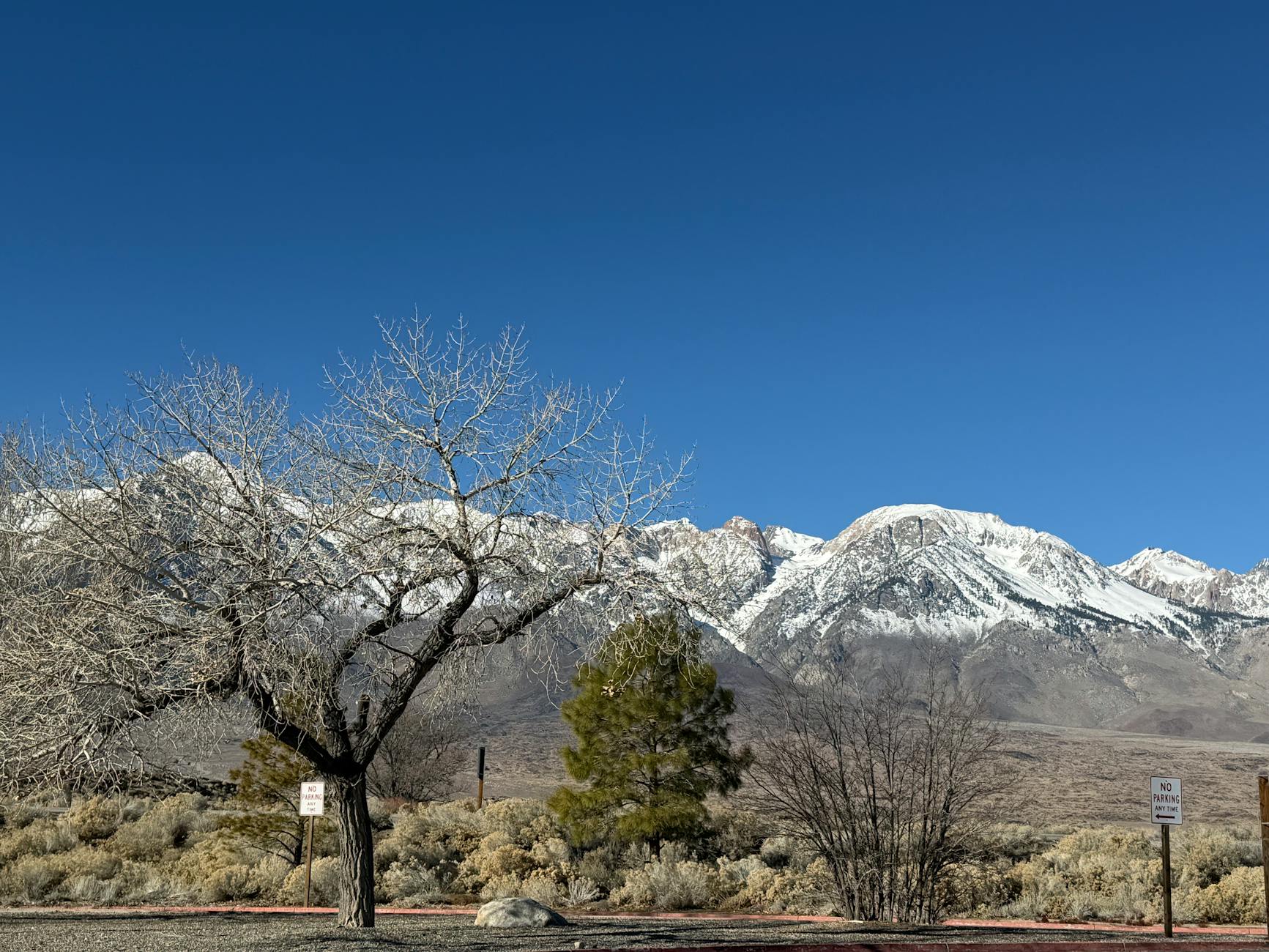
California is experiencing a record-breaking heat wave, causing its vital Sierra Nevada snowpack to melt at an unprecedented rate. This snowpack typically supplies about a third of the state's water, replenishing reservoirs in spring and summer. However, climate change is accelerating this runoff, leading to less water availability when it's most needed. While many reservoirs are currently full, the early disappearance of this natural “snow reservoir” poses a significant challenge for future water supply and highlights the urgent need for adaptive management in the face of a changing climate.
A scorching heat wave is rapidly diminishing California’s crucial Sierra Nevada snowpack, a natural water source that typically provides about a third of the state’s supply. This year, March temperatures are shattering records, causing the snowpack to melt much earlier than usual. It's now dropping at about 1% per day, reaching just 38% of its average for mid-March. This early melt, driven by climate change, means less water will be available trickling down the mountains in the warmer months when homes, farms, and ecosystems need it most, even for vital hydropower.
This situation creates a complex challenge for how California manages its reservoirs. Many dams serve a dual purpose: preventing floods and storing water for drier times. When snowmelt arrives early and quickly, operators face a dilemma, often forced by decades-old rules to release water to make room for potential floods that might not materialize, even as precious water for summer supply flows away. Agencies like Yuba Water, which manages New Bullards Bar reservoir, are seeing conditions two months ahead of schedule, forcing them to find innovative solutions and request special permissions to retain water. This underscores the urgent need to update our water management strategies to match the realities of a changing climate.
Despite the challenges, California is better prepared than in previous years thanks to improved forecasting methods and currently full reservoirs. Enhanced snowpack modeling, soil moisture estimates, and university collaborations are making a difference. However, even with these improvements, the early loss of the natural snow reservoir means less water available to replenish what’s released throughout the summer. The long-term impact of climate change on our water sources highlights the critical importance of continued investment in sustainable solutions, environmental protection, and collective action to safeguard our planet’s vital resources.