California's Mysterious Fog: What's Really Coating Your Car?
California's Central Valley is enveloped in a weeks-long blanket of dense fog, sparking widespread concern and speculation on social media. Many residents report the fog appearing unusually dirty, leaving strange particles on surfaces. While the fog itself is a natural "radiation fog" phenomenon, scientists confirm its unusual appearance is a stark visual reminder of the region's severe air pollution, which the fog readily collects. This natural event is making the often-invisible problem of poor air quality visibly apparent, highlighting the urgent need for cleaner air.
For weeks, California's vast Central Valley has been shrouded in a thick, persistent fog, causing a stir across social media platforms like X, Instagram, and TikTok. Users are sharing videos and photos, describing the fog as "mysterious" and "gelatinous," with some even speculating about "asbestos" due to the black and white particles it leaves behind. One video showed a man's finger coated in white residue after wiping his truck's grill.
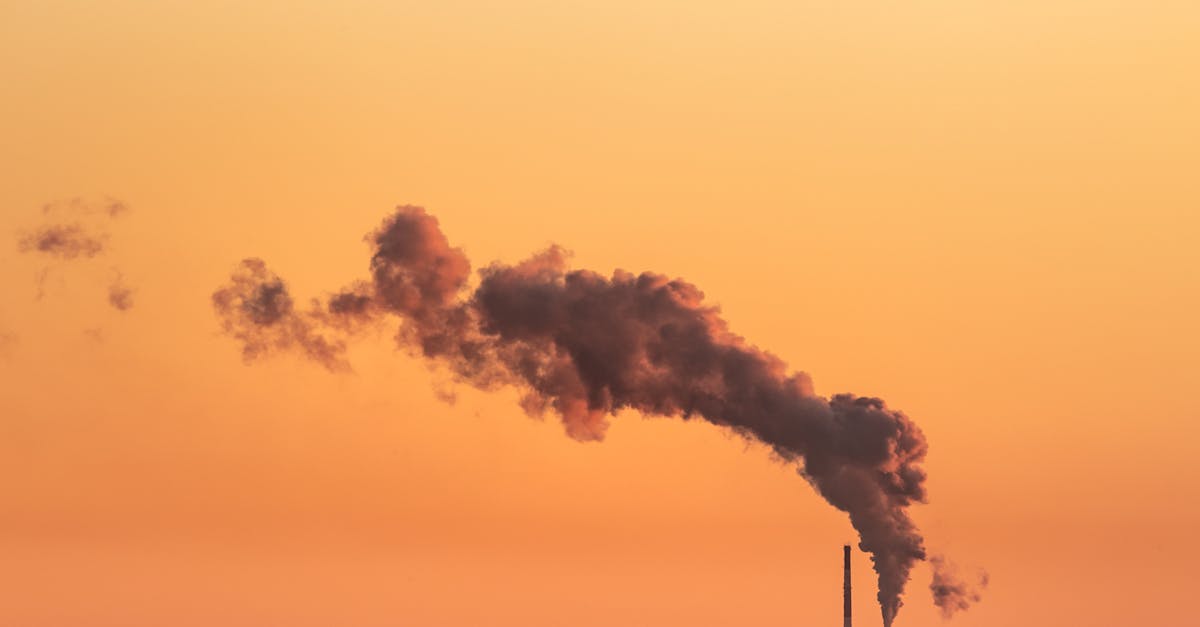
Scientists, however, offer a less dramatic but equally concerning explanation. This specific type of weather event is known as "radiation fog," a natural occurrence. The reason it appears so dirty, they explain, points directly to the Central Valley's long-standing air quality challenges. The region is notorious for some of the country's worst air pollution, stemming from agriculture, industry, vehicle emissions, and wood smoke.
Fog droplets are incredibly efficient at absorbing these airborne gases and particles, essentially becoming miniature sponges for pollutants. Peter Weiss-Penzias, a fog researcher at UC Santa Cruz, notes that these droplets can remain suspended for days or weeks, collecting an "alphabet soup" of contaminants. Reports of the fog turning into a goo are also linked to biological materials like fungal spores and algae that adhere to the droplets. This situation highlights how natural phenomena can visibly expose the often-invisible consequences of poor air quality and emphasizes the urgent need for cleaner environmental practices.
While inhaling these larger fog droplets is less dangerous than breathing in fine particulate matter on dry days, there's a greater concern for ingestion if the fog settles on food or open water sources. Researchers advise washing vegetables and anything left outdoors that might be consumed. A storm system is expected to clear the current fog, but experts like UC Berkeley's Dennis Baldocchi caution that if high-pressure systems return, so too might the valley's chilly, polluted shroud, underscoring the continuous importance of collective climate action and sustainable solutions for healthier air.