California's new battery surprise: Safer power for the grid.

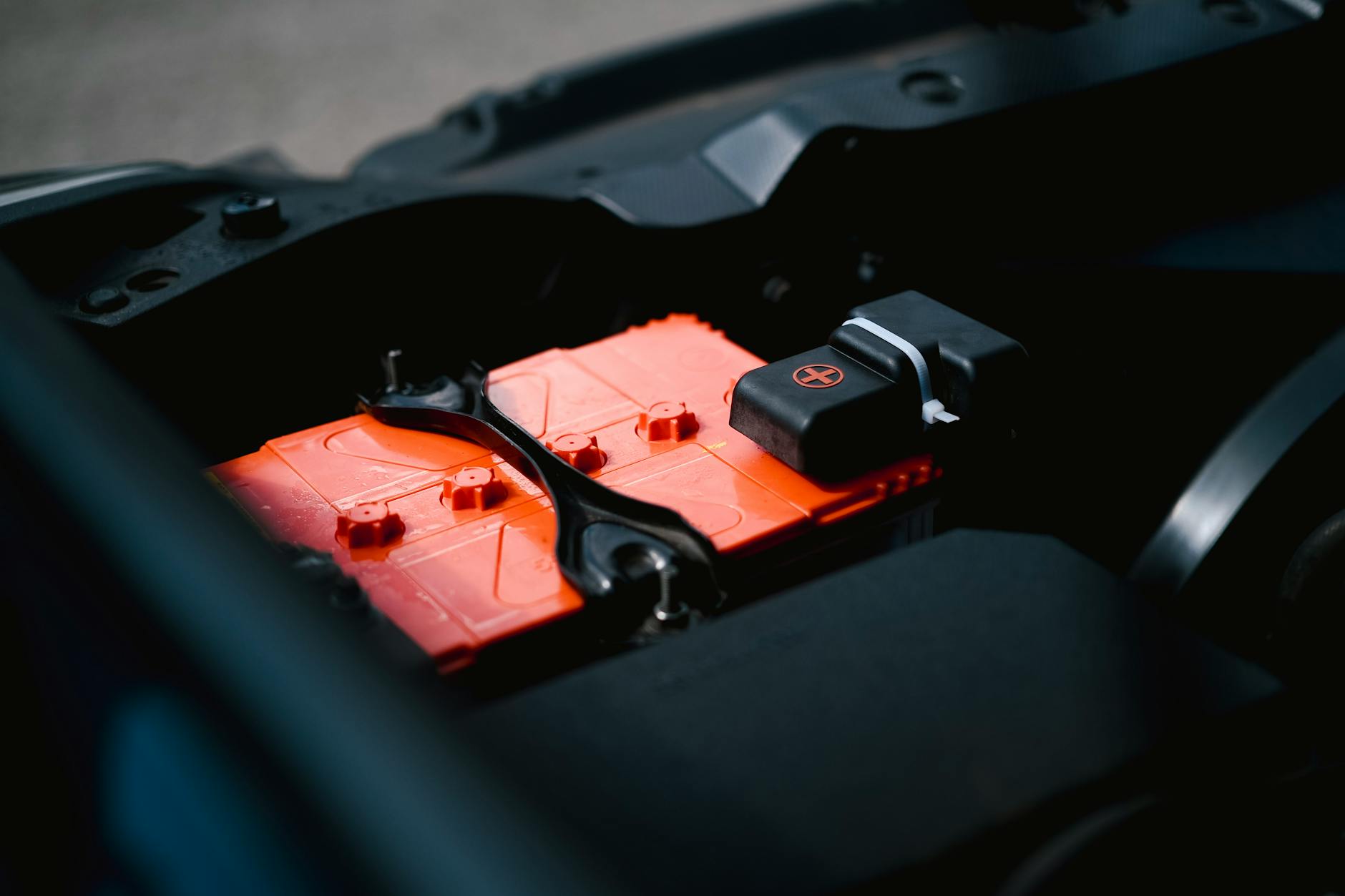
Peak Energy is opening the first U.S. factory for commercial sodium-ion battery packs in Sacramento, marking a significant step for clean energy. Unlike traditional lithium-ion batteries, these new systems are built from abundant, less volatile materials, greatly reducing fire risks and environmental concerns. This innovative approach focuses on large-scale storage for power grids and data centers, where the batteries' size is less of a drawback. This development offers a safer, more sustainable way to power our future, accelerating California's move towards a greener, more resilient energy infrastructure. It highlights the urgent need for diverse, reliable clean energy solutions to combat climate change.
Lithium-ion batteries have been vital for clean energy, but they come with significant drawbacks, including fire risks and reliance on mining practices that raise environmental concerns. Developing safer, more sustainable alternatives has been a critical challenge for our planet's energy future. Now, a California startup named Peak Energy is changing the game by building the first U.S. factory for commercial sodium-ion battery packs right in Sacramento. This move signals a promising shift towards addressing the urgent demand for reliable and environmentally friendly energy storage.
Sodium-ion batteries use materials made from common sodium ash, making them both abundant and affordable. Crucially, these batteries are far less likely to overheat, offering a significant safety advantage over lithium-ion. While they are heavier and larger, Peak Energy has found their niche: massive storage systems for places like data centers, factories, and the broader power grid, where size isn't a problem. This targeted approach allows them to harness sodium-ion's unique benefits for critical infrastructure.
Peak Energy is already seeing success, with over $1.1 billion in pre-orders and a small pilot project proving the technology's worth. The new Sacramento factory will start rolling out these shipping container-sized battery systems in early 2027, each capable of powering hundreds of homes. These large-scale deployments can effectively create "power-plant sized batteries" that store clean energy for when it's most needed, helping stabilize the grid and reduce reliance on fossil fuels. While other U.S. sodium-ion startups have faced challenges, Peak Energy's approach of focusing on the final product and later developing its own cells, including a recent partnership with General Motors, sets it apart. The company also anticipates creating 239 new jobs in the region.
While lithium-ion batteries might seem cheaper upfront, sodium-ion systems offer long-term savings because they don't require expensive cooling technology. This makes them not only more cost-effective over time but also quieter and considerably safer. The importance of battery safety is particularly high in California, where battery opposition has surged after a major fire at a Moss Landing energy storage facility. By offering a safer alternative, Peak Energy is directly contributing to greater public trust and accelerating the widespread adoption of clean energy solutions. This advancement underscores the urgent need for innovative, secure, and sustainable energy storage as we confront global warming.