California's new EV incentives: Who misses out on the cash?

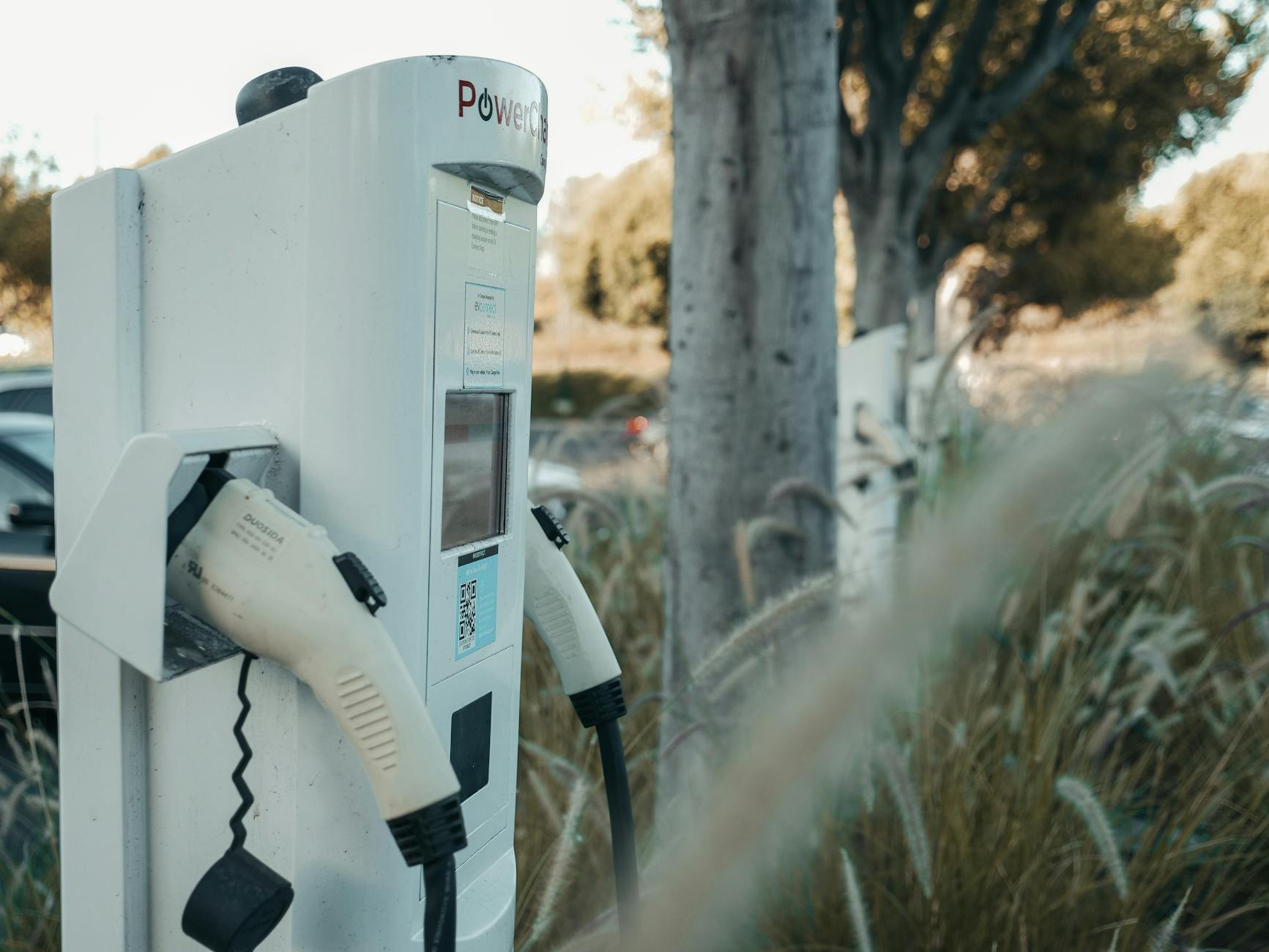
California has launched a new $135 million program designed to help first-time buyers get into electric vehicles (EVs) easily. This initiative aims to accelerate the adoption of cleaner transportation, crucial for tackling global warming. However, the program features a surprising clause: a $50,000 price cap for most new EVs, with an exemption for automakers headquartered in California. This means while local companies like Rivian and Lucid benefit regardless of price, some popular Tesla models are largely excluded, creating an unexpected hurdle for a major player in the EV market.
The golden state's new incentive program offers a direct cash boost to consumers, making it simpler than ever to switch to an electric car. This move is a big step towards reducing carbon emissions and promoting healthier air, aligning with California's strong commitment to a sustainable future.
However, the rules for this program have stirred conversation. While a $50,000 limit applies to new EVs and $25,000 for used ones, companies like Rivian and Lucid, based in California, are exempt from these price caps. This allows their higher-priced models to qualify for the incentive.
Tesla, a company that helped put California at the forefront of the EV revolution and still has a factory in Fremont, faces a different situation. Because its corporate headquarters moved to Texas in 2021, many of its models are now subject to the $50,000 price cap. This means a significant portion of its lineup is excluded, even though some lower-priced Model 3 and Model Y versions still qualify. This policy creates a structural advantage for companies based on their headquarters location rather than their contributions to EV adoption or manufacturing within the state.
Such incentives are vital for encouraging more people to choose electric over gasoline-powered cars, reducing our reliance on fossil fuels and protecting the environment. When policies like this create an uneven playing field, it's worth considering whether they truly accelerate the broader transition to clean energy as effectively as they could, or if they introduce unnecessary barriers in the urgent fight against climate change.