California's New Fire Rules: The Critical 5-Foot Zone

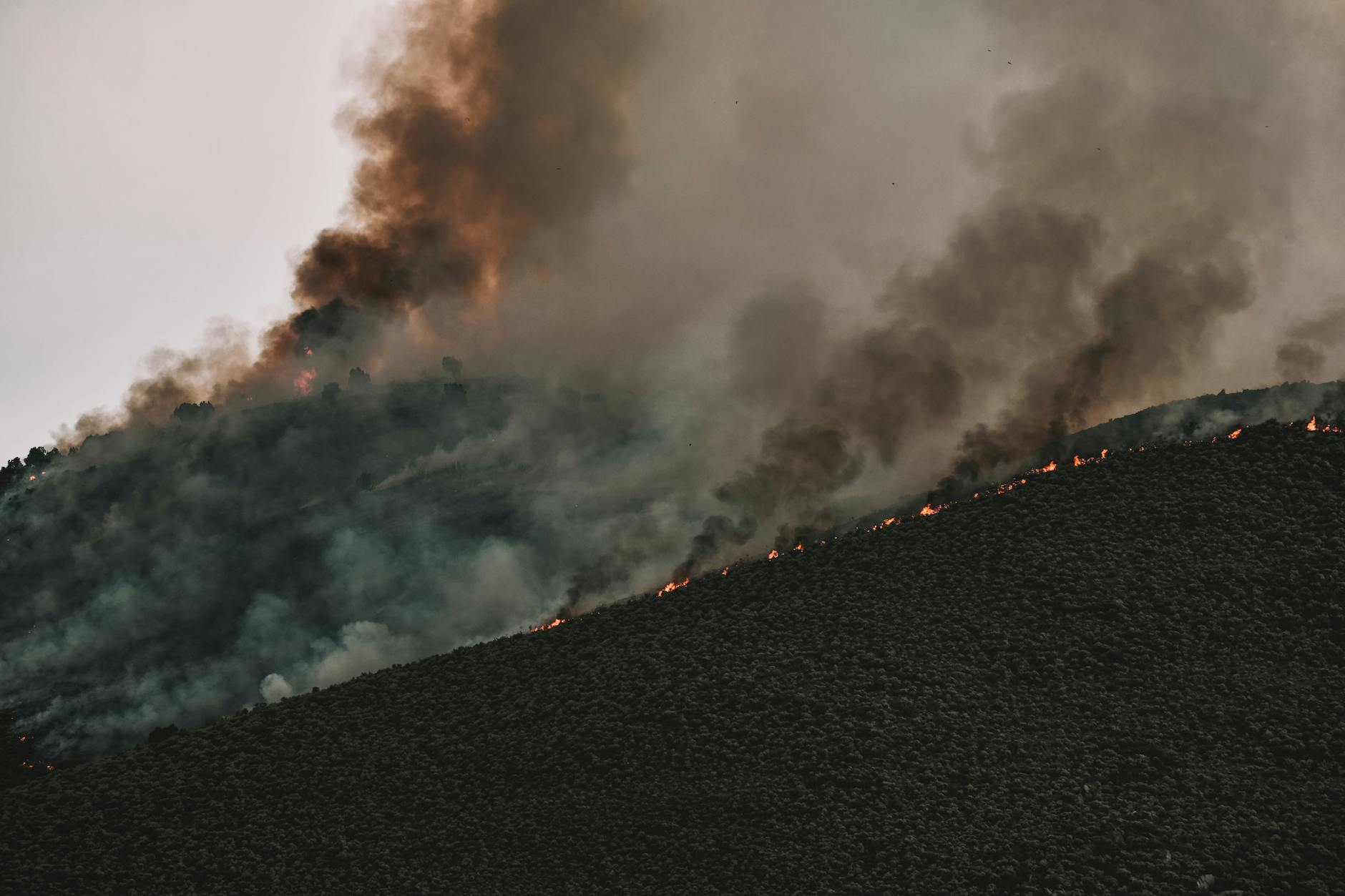
California has introduced the nation's strictest landscaping rules to protect communities from increasingly severe wildfires. As climate change intensifies fire seasons, these new regulations require homeowners in high-risk areas to manage vegetation within five feet of their homes. This crucial "Zone Zero" aims to stop embers from igniting plants and spreading flames to structures. The move highlights California's commitment to adapting to a hotter world and underscores the urgent need for environmental action to safeguard lives and property. These proactive steps are vital as wildfires pose an existential threat to homes and communities.
California's new "Zone Zero" rules are a direct response to the escalating wildfire crisis across the Western U.S., a crisis exacerbated by rising temperatures due to climate change. These regulations, adopted by the California Board of Forestry and Fire Protection, mandate that homes in wildfire-prone areas maintain limited vegetation within five feet of structures. The goal is to create a critical buffer zone that prevents wind-blown embers, often carried far from a fire's edge, from igniting plants and spreading flames to homes.
This move comes after years of discussion and a recent compromise. Initially, stricter proposals faced pushback from homeowners concerned about losing garden greenery and maintenance costs. The final details on compromise allow for well-maintained lawns, flowers, and non-woody plants up to 18 inches, with specific conditions for trees, ensuring greenery can coexist with safety. This critical buffer zone, known as Zone Zero, is vital for reducing fire risk. These rules apply immediately to new construction and will be gradually implemented for almost two million existing homes.
Experts like Yana Valachovic of the University of California Cooperative Extension emphasize that California faces an "existential crisis" due to wildfires, affecting health, finances, and home insurance. Research consistently shows that homes with dense vegetation nearby were at higher risk of being lost. Creating this "defensible space" not only protects individual homes but also provides firefighters better access to defend structures, crucial for community-wide safety.
The urgency for these measures is clear: over 57,000 homes and buildings have been destroyed in California over the last decade. While some worry about private property rights and maintenance costs, the science is clear: even green plants can ignite under extreme wildfire conditions. California's history of pioneering fire-resistant building codes, now adopted by other states, shows that a combination of building materials and vegetation management offers the strongest defense. Because one vulnerable home can spread fire to its neighbors, widespread compliance is essential for the collective safety of entire communities.