California's New Wildfire Bill Reshapes Water Agency Duties

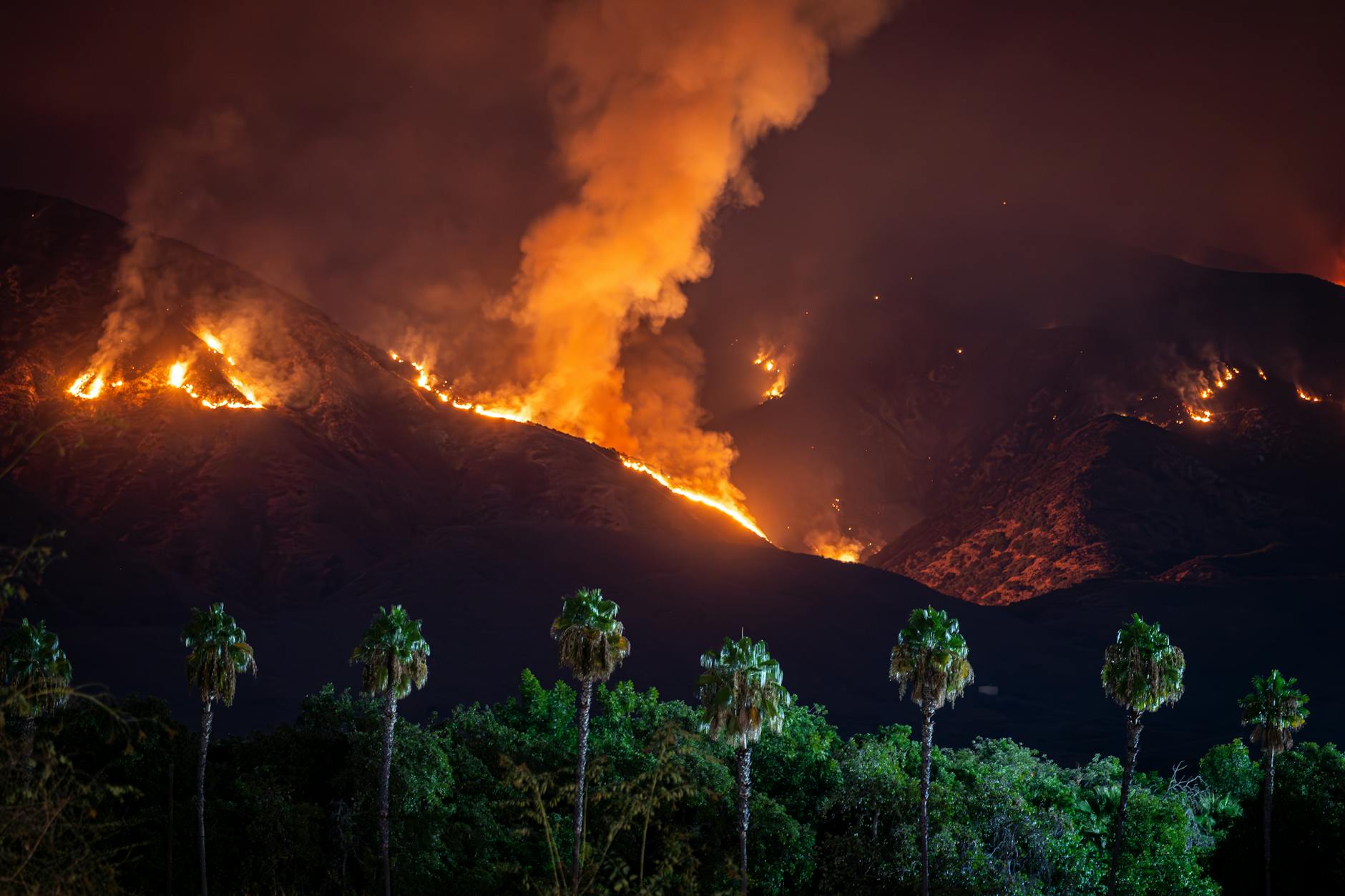
A new bill passed by California legislators aims to redefine the responsibilities of public water agencies during intense wildfires. Senate Bill 1153 seeks to clarify that agencies are not primarily designed for large-scale wildfire defense, nor is losing water pressure automatically a "substantial cause" of fire damage. This comes as communities grapple with destructive events like the 2025 Palisades fire, which highlighted the immense challenges of climate-driven blazes and existing water infrastructure. If signed by Governor Newsom, the bill intends to strengthen emergency preparedness while shielding agencies from costly lawsuits.
California's proposed Senate Bill 1153 clarifies that public water agencies are not obligated to design or maintain water systems specifically for wildfire defense. Furthermore, it states that the inability to keep water supply or pressure during a wildfire would not be considered a "substantial cause" of fire damages. This legislation comes in response to lawsuits, such as those filed against the city of Los Angeles and its water department following the devastating Palisades fire, where residents claimed inadequate water hampered firefighting efforts. That fire tragically killed 12 people and destroyed thousands of homes, with reports of hydrants losing pressure and the nearby Santa Ynez Reservoir sitting empty due to repairs.
The bill also mandates that urban water suppliers in high-risk zones include specific wildfire response procedures in their disaster plans, detailing equipment and actions to minimize fire impact on water systems. The Association of California Water Agencies, which championed the bill, emphasizes that water systems are built for drinking water and small structure fires, not the large, climate-driven wildfires increasingly seen across the state. They argue the bill will enhance emergency readiness while protecting ratepayers from mounting legal costs.
Experts like Greg Pierce from the UCLA Water Resources Group view the bill as a "step in the right direction." He notes it helps water utilities defend themselves against claims that their systems, designed for typical house fires, should withstand overwhelming wildfires. However, some lawmakers pushed for more. Assemblymember Steve Bennett, for instance, had a bill that failed to pass, which would have required assessments of necessary water pumps and public reporting on emergency backup power availability. Bennett did secure a law for Ventura County focusing on backup power for water pumps and tank topping, highlighting a clear public desire for greater preparedness against climate impacts.
This legislative effort underscores the growing urgency to adapt our infrastructure to the changing climate. As wildfires become more frequent and severe, ensuring our water systems are resilient and our communities are prepared is crucial. While water agencies work within their design limits, exploring sustainable solutions and improving emergency protocols are vital steps towards protecting lives and property from these escalating environmental threats.