California's Ocean Gains New Protections: A Historic First.

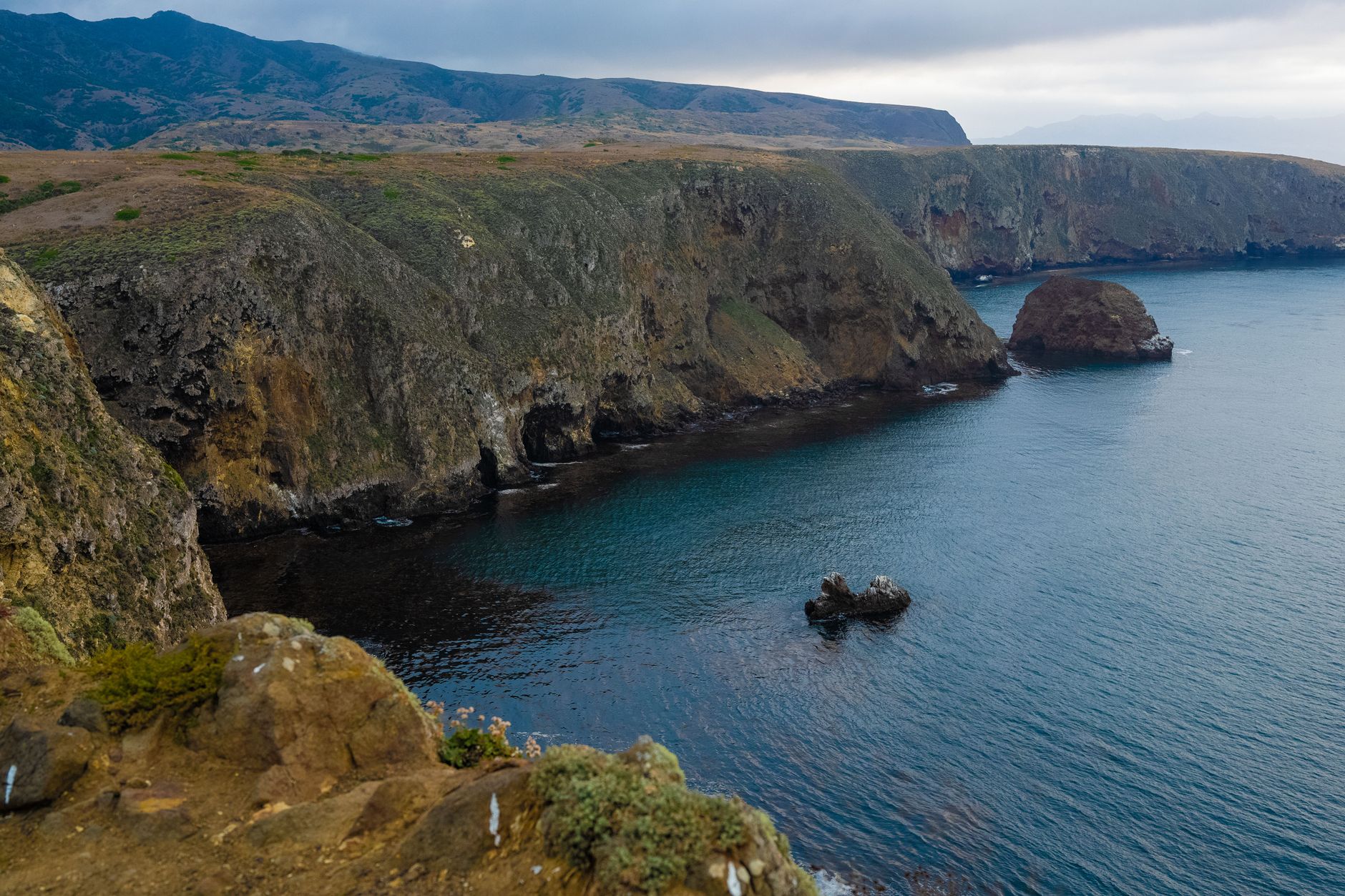
California has established its first marine protected areas championed by tribal nations, marking a significant step for ocean conservation. These new "underwater parks" near Carpinteria and Point Sal aim to safeguard critical marine habitats and biodiversity, from kelp forests to white shark nurseries. While environmental groups and tribal councils celebrate this historic move to protect ancestral waters from pollution and industrial threats, commercial fishers voice concerns over losing access to traditional fishing grounds. This decision underscores the urgent need for environmental action and recognizing Indigenous stewardship in protecting our planet's precious ecosystems.
California recently made history by designating its first marine protected areas led by tribal nations. These new "underwater parks," roughly nine square miles each, are located near Carpinteria and Central California’s Point Sal. This landmark decision by the California Fish and Game Commission means these areas, co-led by the Santa Ynez Band of Chumash Indians and the Northern Chumash Tribal Council, will restrict commercial and boat-based sportfishing, though shore fishing will still be allowed.
Supporters celebrate these new protections as vital for our planet's health. The areas are teeming with life, including precious kelp forests, havens for sea lions and migratory birds, and even the largest white shark nursery known globally. Protecting these unique ecosystems is a crucial step in safeguarding biodiversity and ensuring marine life can thrive away from pollution and the threat of industrialization, including potential oil and gas leases.
For the Chumash tribes, this move reconnects them with their ancestral waters, recognizing deep cultural and spiritual ties. As one commissioner noted, given their historical displacement, tribes have earned the right to manage these significant areas for future generations. This Indigenous-led conservation highlights how traditional knowledge can play a powerful role in modern environmental protection, offering a much-needed approach to climate action.
However, not everyone sees this as a clear victory. Commercial and sport fishers are worried about losing access to areas they've relied on for generations, impacting their livelihoods and family traditions. They argue that less local seafood could lead to more imports, potentially increasing carbon emissions from transportation. They also expressed concern that a full analysis of economic and social impacts wasn't completed before the decision.
Despite some concerns and differing advice from state agencies like the California Department of Fish and Wildlife, California is moving forward with these protections. This initiative is an important part of the state's broader goal to conserve 30% of its land and coastal waters by 2030. Protecting more of our oceans is critical to building a healthier, more resilient planet, especially as climate change continues to threaten marine ecosystems globally. The Natural Resources Defense Council and Environmental Defense Center co-sponsored the petitions, noting these new designations make the "network more connected," which is important as the impacts of climate change threaten ocean health.