California's Plastic Promise: Why Less Plastic Isn't Less Plastic

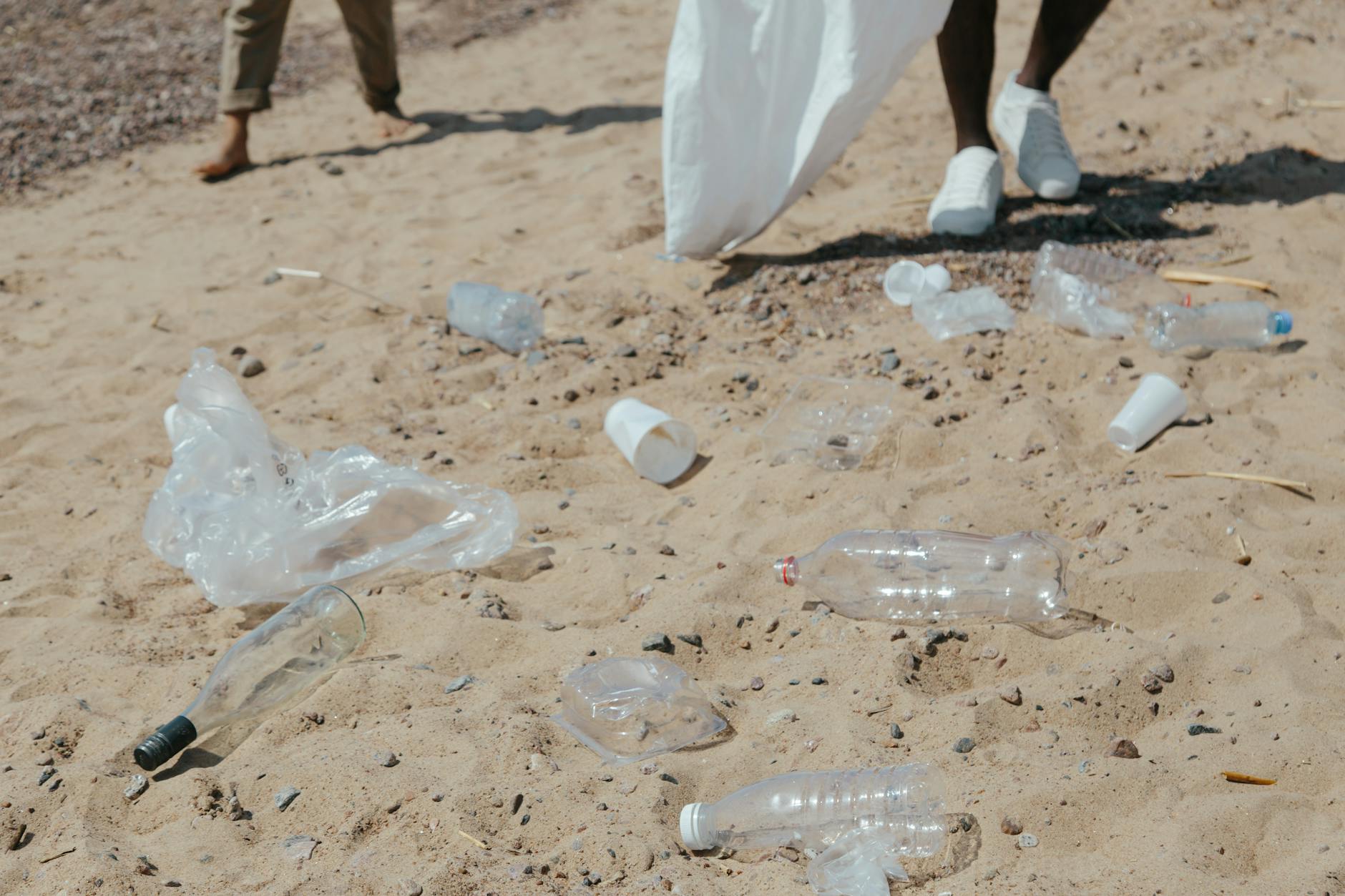
California's ambitious law to tackle single-use plastic waste is facing a major setback. The state agency CalRecycle has adopted a baseline number for plastic use that is significantly lower than initial estimates, meaning the law will cut far less plastic than originally intended. Instead of removing roughly 725,000 tons of plastic by 2032, the revised target is a mere 250,000 tons. This reduction significantly diminishes the environmental benefits and raises concerns about the fight against plastic pollution in our oceans and communities, highlighting the urgent need for clear and impactful climate action.
California’s landmark single-use plastic law, Senate Bill 54, aimed to drastically reduce plastic waste across the state. However, the official baseline number for plastic use, recently adopted by CalRecycle, is significantly lower than initial state estimates. This means that by 2032, the mandated 25% reduction will lead to far less plastic disappearing from circulation than originally envisioned.
Initially, a 2024 state report estimated Californians used 2.9 million tons of single-use plastic in 2023. The new baseline, adopted from the industry group Circular Action Alliance, stands at just 1.03 million tons. This reduction means instead of eliminating around 725,000 tons of plastic by 2032, the state will only see a reduction of approximately 250,000 tons. For individual Californians, this translates to using 13 pounds less plastic per year, a stark contrast to the initial expectation of 37 pounds less.
Concerns have been raised by experts like Douglas McCauley, professor of ocean science at UC Santa Barbara, who points out that the industry’s report provides little detail on how these new numbers were calculated. Notably, the report relied on data from only half of the industry alliance's member companies. Furthermore, conflicting data on the number of plastic components—doubling in count while reducing in weight—adds to the confusion. These discrepancies could also skew reported recycling rates, making it appear as if more plastic is being recycled without any actual change on the ground.
This shift in targets is critical because plastic waste continues to overwhelm our waterways and oceans, endangering marine life and potentially impacting human health. When Gov. Gavin Newsom signed SB 54 in 2022, it was hailed as a landmark effort to not only reduce plastic but also shift the financial and environmental responsibility onto producers rather than consumers or local governments. The goal was to inspire innovation in product design and material use.
As Professor McCauley emphasizes, these seemingly minor baseline adjustments will significantly shape the future of plastic pollution on our beaches, in our communities, and ultimately, in our bodies. Collective climate action and strong environmental protection remain crucial to addressing this urgent issue.