California's Prop 45: Whose ancestral lands lose their voice?

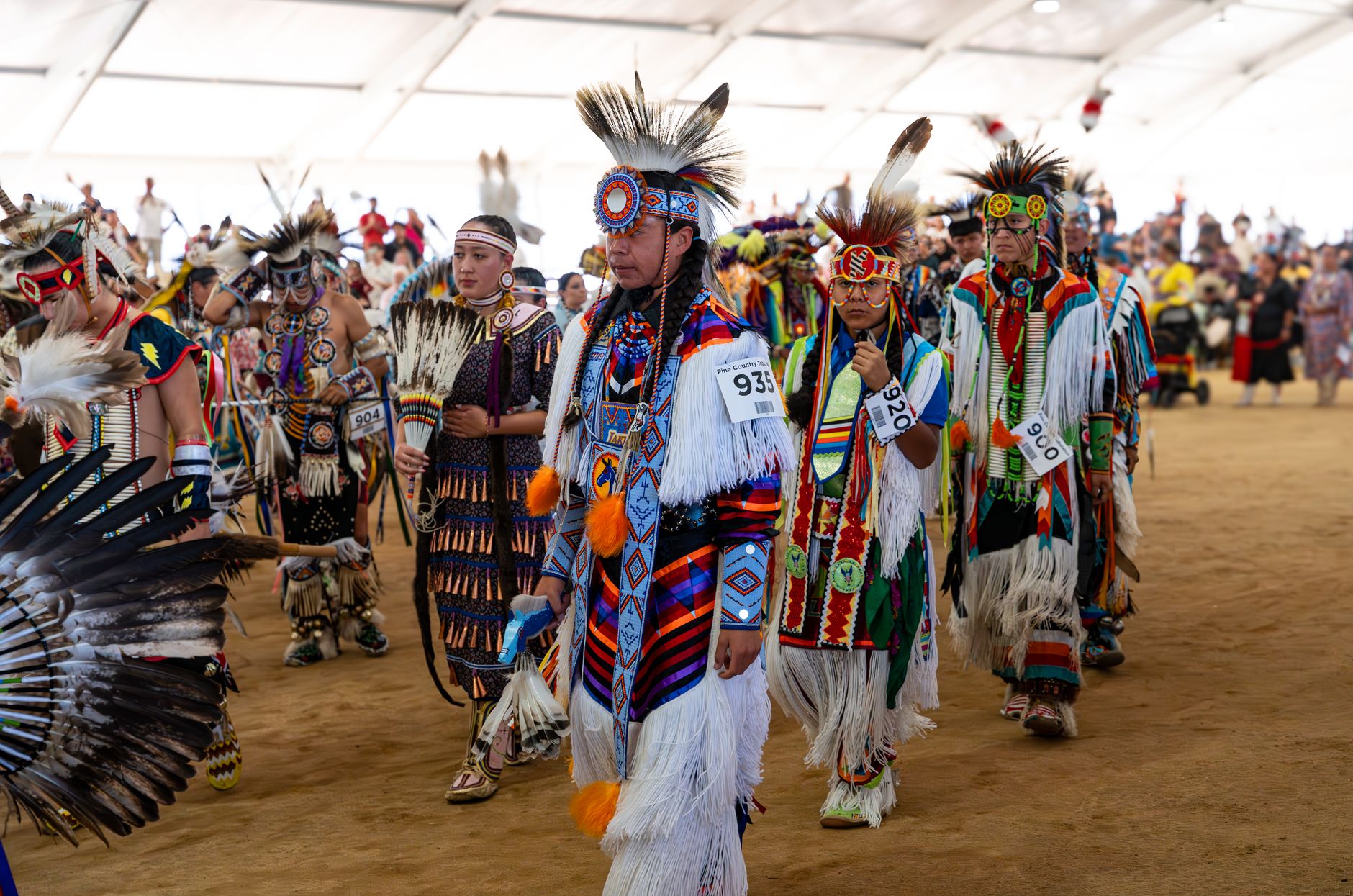
A crucial initiative on California's November ballot, Proposition 45, proposes significant changes to the state's environmental review process. Tucked within its language are provisions that would limit mandatory consultation on development projects to only federally recognized tribes. This change could effectively silence dozens of non-recognized Indigenous communities, potentially jeopardizing their ability to protect ancestral lands, sacred sites, and vital natural habitats. Critics warn that this move undermines local knowledge essential for safeguarding California’s unique ecosystems and cultural heritage, raising concerns about the future of environmental protection.
Proposition 45, a measure appearing on California’s November ballot, aims to streamline the state’s environmental review process for various “essential” projects like housing and clean energy initiatives. However, a key element of the proposition would significantly alter how Indigenous communities are consulted on these developments. Currently, many tribes, regardless of federal recognition status, can participate in the California Environmental Quality Act (CEQA) process to protect their ancestral lands. Prop 45 would narrow this, requiring official consultation only with federally recognized tribes. This means dozens of non-recognized tribes could lose their formal voice in safeguarding culturally significant sites and natural resources.
This proposed change has ignited a contentious debate. Critics argue it's an effort by economically powerful, federally recognized tribes to consolidate influence, sidelining local tribes from discussing territorial disputes or sacred site protection. Andrew Salas, chairperson of the Gabrieleño Band of Mission Indians — Kizh Nation, expressed concern that “wealthy casino interests and political influence are being allowed to outweigh ancestral connections.” Proponents, including some federally recognized tribes, assert that federal recognition forms the legal basis for government-to-government consultation, suggesting other tribes can still participate as members of the public. One of the largest contributors to the Yes on Prop 45 committee is a federally recognized tribe, the Yuhaaviatam of San Manuel Nation. Critics also point out that such moves could empower federally recognized tribes to consult on projects hundreds of miles outside their homelands, potentially overriding local tribal concerns.
For generations, non-federally recognized tribes have been crucial stewards of California's environment. The Kizh Nation, for instance, has successfully used the CEQA process to consult on hundreds of land development projects, protecting sites such as one of the oldest living plants in the world—a more-than 13,000-year-old oak tree. They even secured one of the largest land returns in Southern California for a non-federally recognized tribe, all while allowing significant development. These examples underscore how vital local, ancestral knowledge is to truly sustainable development. Removing these voices from the consultation table means, as Salas highlighted, “Our rivers, habitats, and the animals that depend on them lose their protection.”
The federal recognition process itself is notoriously challenging, with very few tribes achieving it since its inception in 1978. Only one was in California, the Death Valley’s Timbisha Shoshone Tribe. Federal recognition brings significant benefits, including protections, funds and services from the federal government, such as funding for Indigenous schools and access to healthcare. Historically, federal agents in the 1850s negotiated treaties to set aside roughly 7% of the state for reservations, but Congress failed to ratify these. Many California tribes, including those along the coast like the Gabrieleno who endured immense historical hardship and were inexplicably overlooked by federal agents creating reservations in the 1890s, have faced exceptional difficulties gaining this status despite their deep roots. Jonathan Cordero, executive director of the Assn. of Ramaytush Ohlone, estimates that at least one-third of tribal cultural resources protected under CEQA lie within the homelands of non-recognized tribes. If Prop 45 passes, he warns, “hundreds of sacred sites and thousands of invaluable and irreplaceable tribal cultural resources would be destroyed.”
This situation clearly highlights the urgency of ensuring all Indigenous voices are heard in environmental decisions. Effective climate action and true sustainability demand a respectful and inclusive approach that values the profound historical and ecological knowledge held by all ancestral guardians of the land. Limiting who participates risks irreplaceable loss and undermines the collective effort to protect California’s invaluable natural and cultural heritage for future generations.