California's 'Super' El Niño: What You Must Do Now to Stay Safe

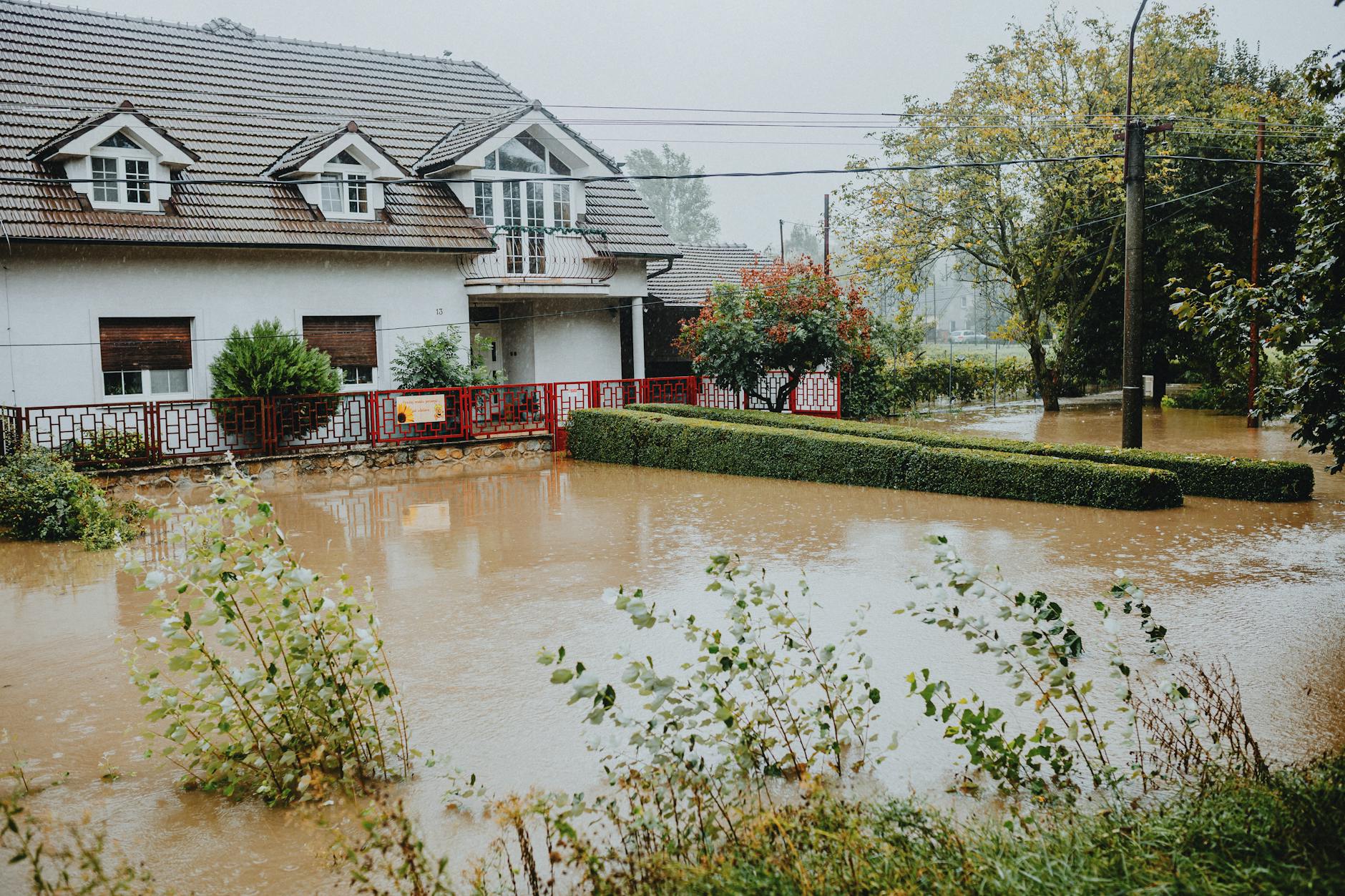
California is on high alert as a powerful 'super' El Niño is virtually certain to bring a wet and potentially challenging winter. Forecasters predict this climate pattern, driven by warmer Pacific waters, could be the strongest since 1950, with a 98% chance of a "very strong" phase through December. Local officials are already shoring up flood defenses, but residents and businesses must also act now to protect homes and communities. Early preparation is crucial to mitigate severe impacts like flooding and debris flows.
A looming "super" El Niño means a potentially punishing winter for California, and experts urge everyone to prepare immediately. This climate pattern, fueled by unusually warm ocean waters in the central and eastern tropical Pacific, is expected to unleash potent tropical moisture on the region.
Local authorities, including Los Angeles city and county officials, are actively preparing by clearing reservoirs and shoring up vulnerable areas like recent burn scars. While they work, individual preparedness is key to reducing risks at home and on the road.
Start by signing up for emergency alerts from L.A. County here and making an evacuation plan, especially if you live near hillsides or flood-prone areas. Next, check your home for potential issues. If your roof is older or prone to leaks, schedule an inspection with a licensed roofer. You can verify licenses on the California Contractors State License Board website.
Your drainage system is vital. Clean all drains and ensure water flows away from your home, ideally to a curb drain. Consider rain barrels at downspouts to capture roof runoff, which can be used later for irrigation. Increasing permeable areas in your yard can also help manage water flow. For immediate flood protection, keep sandbags on hand; free distribution sites are listed here.
Examine your trees for structural weaknesses. A certified arborist, whom you can find through the International Society of Arboriculture, can provide targeted pruning recommendations. Avoid harmful practices like thinning or topping trees. Critically, take a moment to secure any outdoor items like fertilizer bags or open paint cans. These can wash into storm drains, polluting our rivers, streams, and oceans.
Review your insurance. Many people don’t realize they need flood insurance even if they aren't near a major waterway. With climate change contributing to more intense storms, assessing flood insurance is a smart move. Also, re-familiarize yourself with your home insurance policy, as water damage coverage may have changed. Document your valuables with photos or video, and store important original documents in a sealed bag in your freezer; it's a surprising but effective tip for safeguarding them during an emergency.
Finally, get your car ready. Check tire pressure, tread, wipers, brakes, lights, and battery. Keep your tank full or battery charged. When the heavy rains arrive, remember the crucial advice: "Turn around, don't drown." It's impossible to know how deep floodwaters are, and just 12 inches of rushing water can sweep most cars away. Drive slowly, avoid distractions, and give yourself extra room to stop.