California's Water Future in Jeopardy: What's Blocking the Plan?

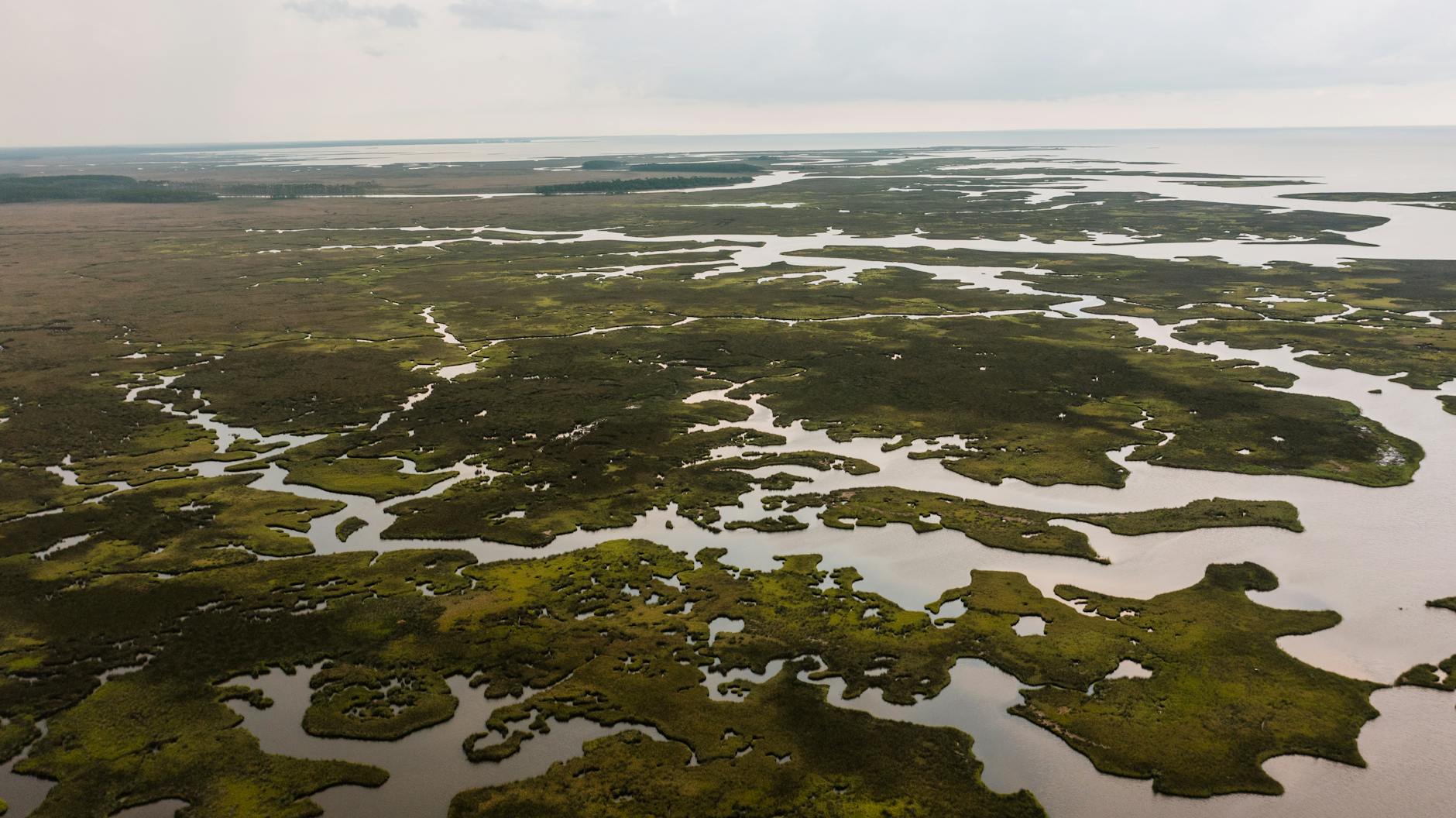
California's vital San Francisco Bay and Sacramento-San Joaquin River Delta are under immense ecological stress, threatening both the environment and human water supply. State officials have spent years crafting a plan to protect this crucial system, aiming to restore native fish populations and ensure long-term sustainability. However, this critical initiative now faces stiff opposition from the Trump administration and a major agricultural water district. The dispute escalates concerns over the future of California's water management and the urgent need for environmental action.
California's San Francisco Bay and Sacramento-San Joaquin River Delta are critical. This vast water system supports nearly 30 million people, 4 million acres of farmland, and a delicate ecosystem where native fish like Chinook salmon, steelhead trout, and longfin smelt are struggling, their populations in severe decline. To reverse this decline, state officials have developed a new Bay-Delta plan. It aims to balance water usage with the needs of the environment, proposing either limits on pumping or 'voluntary agreements' where water agencies fund habitat restoration through the Healthy Rivers and Landscapes program.
However, this vital plan now faces strong resistance. The Trump administration's U.S. Bureau of Reclamation, which manages a major federal water system, argues the plan would severely impact farmers by restricting water. They claim it threatens California's agricultural economy and have indicated they may withhold federal funds for habitat restoration if the state proceeds, as detailed in a letter. The powerful Westlands Water District, a large irrigation authority, echoes these concerns, stating the state has walked away from earlier agreements and will also pull its funding.
This escalating conflict puts Governor Newsom’s collaborative water strategy at serious risk, potentially leading to a lengthy legal battle. The federal opposition aligns with past actions by the Trump administration to weaken federal protections for endangered species and to pump more water from the state's rivers. Environmental advocates warn that while the state's plan has its critics, the federal approach could be even more damaging, further weakening protections for endangered species and maximizing water extraction from the Delta, exacerbating the already boiling point ecosystem. The situation highlights a crucial moment for California to protect its precious water resources and the urgent need for sustainable solutions amidst conflicting demands, emphasizing the importance of collective climate action to safeguard our planet’s vital systems.