California's Wine Map Is Redrawing: What Does It Mean?

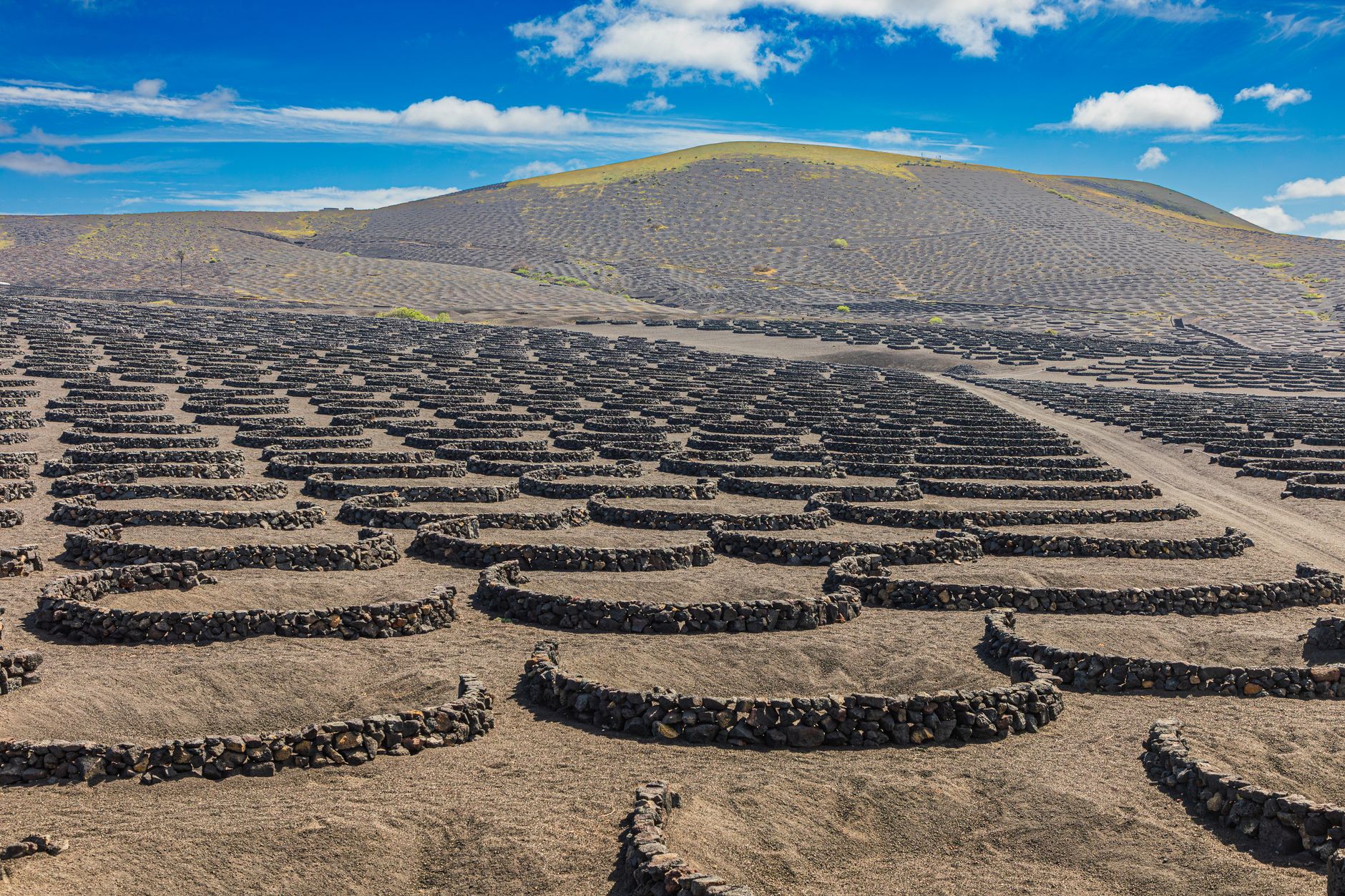
In 2017, winemaker Steve McIntyre witnessed his vineyard hit an unimaginable 116 degrees, a stark reminder of climate change's grip on California's vital wine industry. New research from Tohoku University confirms this threat, predicting a dramatic shift in prime grape-growing regions, potentially moving away from iconic areas like Napa and Sonoma. This isn't just about wine; it’s a clear signal of the urgent need for environmental action as extreme weather reshapes our landscapes. However, growers are already implementing innovative sustainable solutions to adapt to these challenging new realities.
The year was 2017 when Steve McIntyre, a seasoned winemaker in Monterey County, watched his vineyard thermometer climb to an astonishing 116 degrees. This scorching heat, the highest since he planted his vines in 1973, felt like a devastating blow, illustrating the real-time impact of our changing climate. For an industry where even subtle shifts can transform a harvest’s value, increasing extremes and unpredictability pose an existential threat.
California produces 80% of U.S. wine, making its vulnerability to even small climate shifts a major concern. Recently, researchers from Japan’s Tohoku University published a detailed study, projecting a significant shift in where California’s best wine grapes can grow. Their models suggest that traditionally renowned regions like Napa and Sonoma may see declining suitability, while cooler areas such as Monterey and Mendocino counties could become the new prime locations for vineyards, driven by changes in precipitation and temperature.
Warnings about climate change impacting California's wine industry have echoed for decades; a 2011 Stanford University study even predicted a halving of prime grape land in the North Coast by 2040. Winegrape-bearing acreage in California has shrunk steadily since 2013. Yet, this dire future isn't fixed. Winemakers are actively responding with creative solutions: deploying shade canopies, installing low-water irrigation systems, adjusting vineyard layouts, and experimenting with heat-tolerant grape varieties. These proactive steps underscore the spirit of environmental action and the potential for sustainable practices to safeguard this cherished industry.
The challenges extend beyond wine. Across California, the urgent need for climate action is evident in record-low water levels at critical reservoirs like Lake Mead and Lake Powell, threatening water supply for the 35 million people and 5 million acres of farmland that depend on the Colorado River. In a promising turn towards sustainable solutions, many farmers, facing water restrictions, are now leasing their lands for solar energy development. This shift not only supports California’s ambitious goal of 100% clean electricity by 2045 but also highlights how electrification can transform traditional agriculture into a source of renewable power, proving the benefits of cleaner technologies for both the environment and local economies.
Even global sports events are feeling the heat. Nearly 20% of this year's World Cup matches took place under hazardous heat and humidity conditions, making mandatory hydration breaks essential for player safety. This serves as another stark reminder that our collective commitment to addressing global warming is critical, affecting everything from our daily lives to international events, making environmental protection a shared responsibility.