California's Winter Threat: A Convergence of Forces Looms

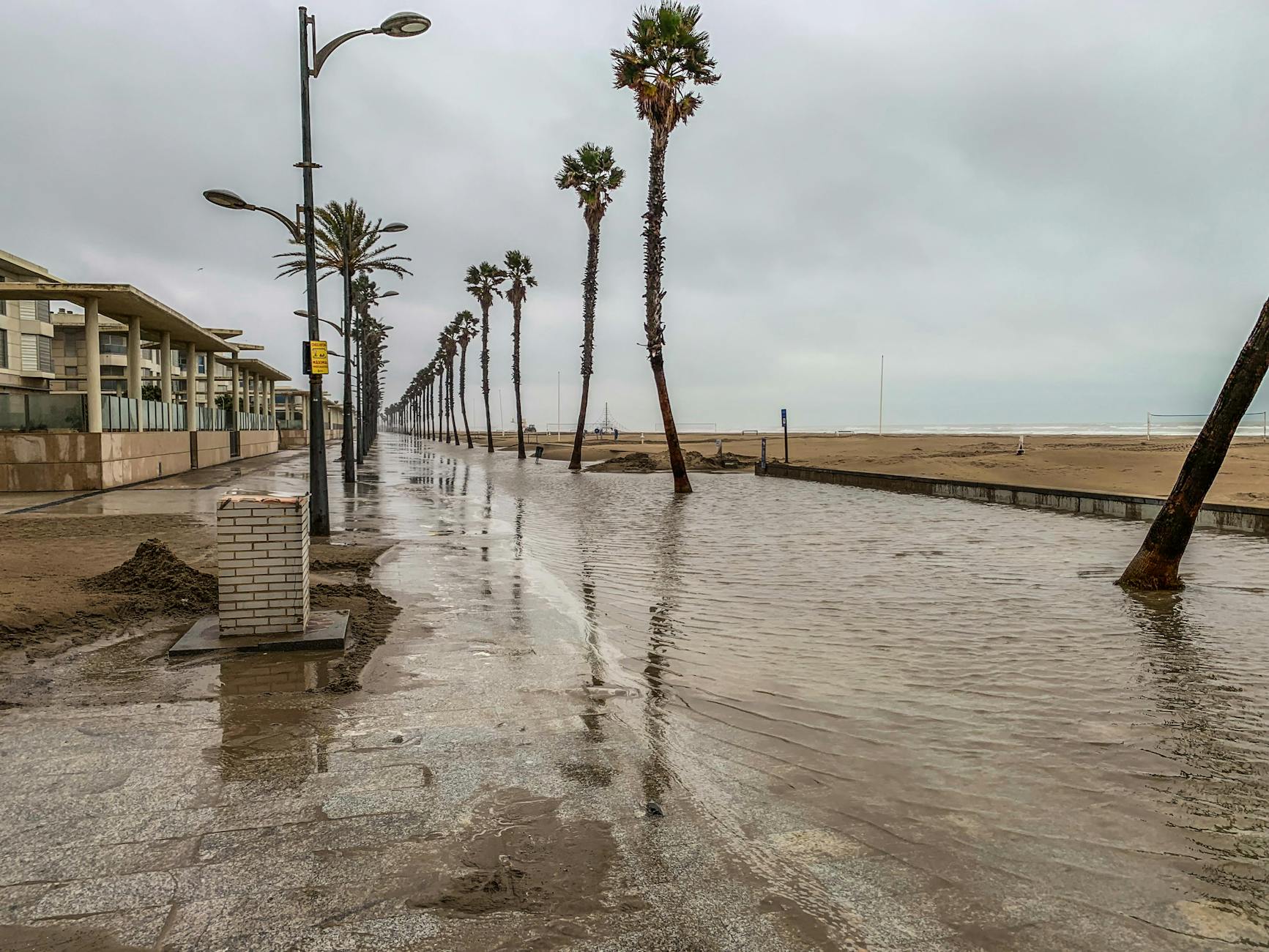
California is bracing for an extreme winter, with experts predicting potentially record-breaking flooding this holiday season. Coastal hazards researcher Patrick Barnard warns that a confluence of factors, including unusually warm ocean waters, a powerful El Niño, and significant astronomical tides, is aligning for a dramatic surge. This unique combination could temporarily raise sea levels by over a foot and a half, dramatically increasing flood risks. Such events underscore the urgent need for long-term climate adaptation strategies, reminding us that proactive environmental planning is crucial for protecting our coasts from future challenges.
The immediate threat stems from our ocean's record-breaking warmth. California's coastal waters have been unusually hot for months, already causing sea levels to rise by about six inches due to thermal expansion. On top of this, a supercharged El Niño is expected to add another six to twelve inches of water. This natural climate phenomenon, while cyclical, is now interacting with a warmer baseline, intensifying its effects.
Adding to the complexity are predictable astronomical events. This winter coincides with the peak of both a 4.4-year high tide cycle and an 18.6-year lunar cycle, collectively adding several more inches and effectively doubling flood frequency, as a pivotal global study quantified. Furthermore, slow-moving Kelvin waves, which thicken the ocean's surface, are set to bring additional surges, some already causing significant flooding in areas like Long Beach and Newport Beach.
Finally, the notorious king tides, known for their dramatic winter flooding, are expected around Thanksgiving, Christmas, and Martin Luther King Jr. Day. If any of these highest tides in recent history coincide with a storm or another Kelvin wave, California could face unprecedented coastal inundation. Experts warn that even a foot of sea level rise can push the ocean inland by the length of a football field, challenging existing defenses.
This isn't just a temporary anomaly; scientists like Patrick Barnard caution that this extreme winter is a preview of what every winter could look like in less than a generation due to climate change. The urgency for action is clear. Instead of short-term fixes like seawalls, which are increasingly futile, communities must embrace long-term, nature-based solutions. Restoring dunes and wetlands, which act as natural buffers, and developing comprehensive sea level rise plans are vital steps to adapt to our changing planet. Proactive planning now will pay off immediately and in the years to come, securing our coastal future.