California Shores Face Unprecedented Sea Level Threat This Winter

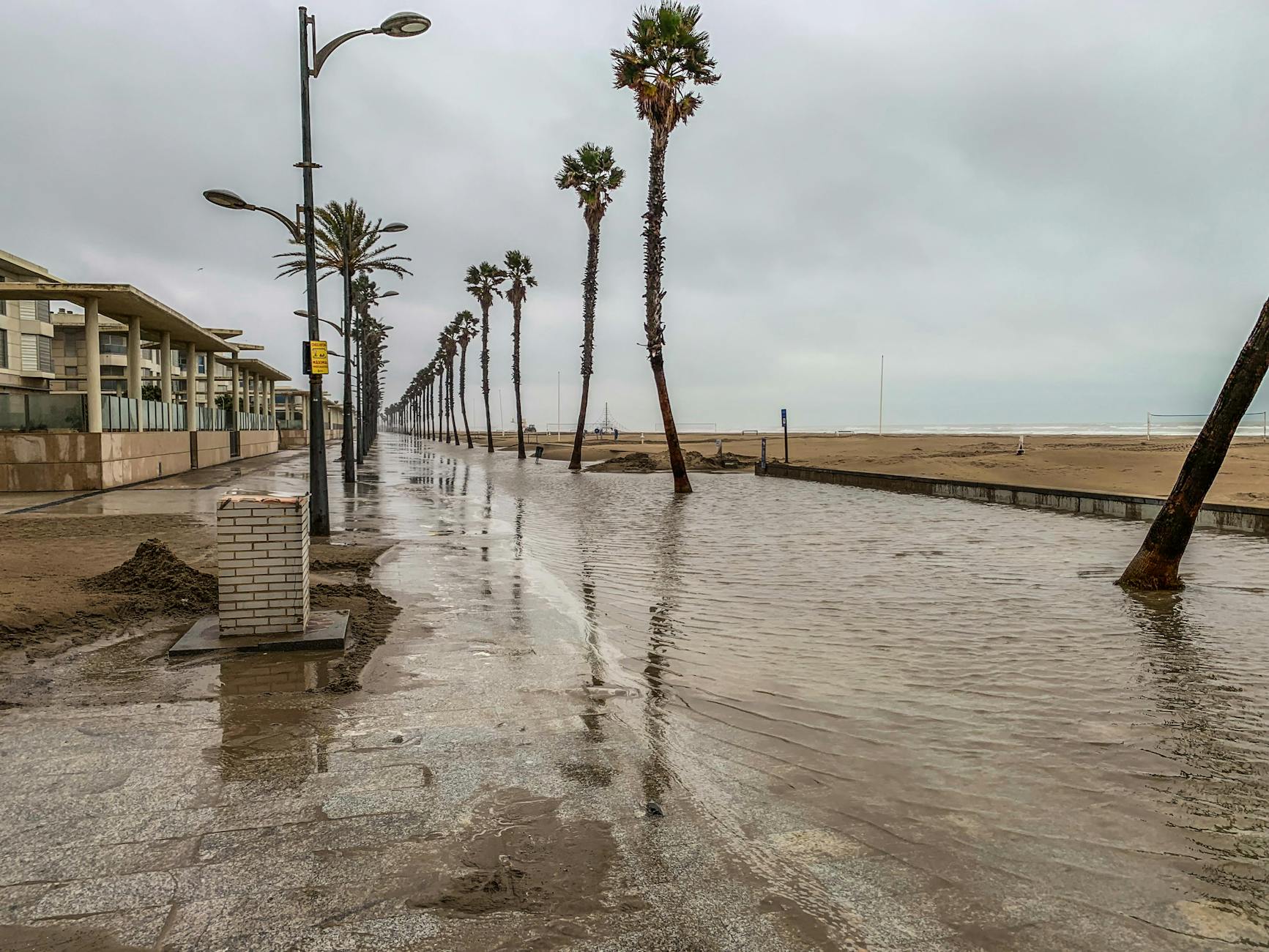
California is bracing for potentially the highest sea levels ever recorded this year, driven by a strengthening El Niño event. This powerful climate pattern is expected to raise sea levels significantly, increasing the risk of widespread coastal flooding and severe erosion. Scientists warn that this El Niño could be historically strong, bringing not only elevated seas but also powerful storms and marine heat waves, underscoring the urgent need for preparedness in a world already contending with human-caused climate change.
A powerful El Niño is expected to bring record-high sea levels to California's coast this fall and winter, significantly increasing the risk of damaging floods. Scientists at the UC San Diego Scripps Institution of Oceanography's Center for Climate Change Impacts and Adaptation warn that sea levels in the eastern Pacific are already more than half a foot higher than average, and are set to climb even further.
The rise in sea level during El Niño is largely due to warmer ocean waters expanding. This natural phenomenon, combined with the general trend of sea level rise from climate change, creates a concerning scenario. During past strong El Niños, like those in 1982-83, 1997-98, and 2023-24, coastal areas experienced significant flooding, powerful waves, and erosion, causing beaches to narrow by as much as 98 feet.
This combination of higher sea levels, intense waves, high tides, and potential heavy rainfall means coastal flooding, saltwater intrusion into groundwater, and cliff undercutting are likely to be major issues. In 2023-24, areas like Ventura, Los Angeles, and San Diego counties saw significant impacts, including a powerful wave in Ventura that injured eight people.
Beyond immediate flooding, the warming waters associated with El Niño are also expected to extend existing marine heat waves off the coast. This has serious implications for marine ecosystems. Warmer water suppresses upwelling, which normally brings vital nutrients to the surface, impacting the food web. Scientists are monitoring neurotoxins like domoic acid, which thrive in warmer waters and can accumulate in shellfish, posing a threat to both wildlife and human health. Past events have led to the poisoning of pelicans and sea lions, and even the postponement of Dungeness crab fishing seasons.
Furthermore, marine heat waves have already caused drastic declines in kelp habitats, particularly Northern California's bull kelp, which has seen a 90% reduction since 2014. This loss affects many species, including the endangered white abalone. This year's El Niño, showing unprecedented ocean temperatures in the eastern tropical Pacific, highlights the increasing vulnerability of our natural environment to both natural climate cycles and long-term warming trends. While a rainy winter isn't guaranteed across all of California, the odds for Southern California are strongly shifted towards a very wet period, especially from late December through March, making preparation crucial for communities up and down the coast.