California Utilities Hint at Dire Action Over Wildfire Costs

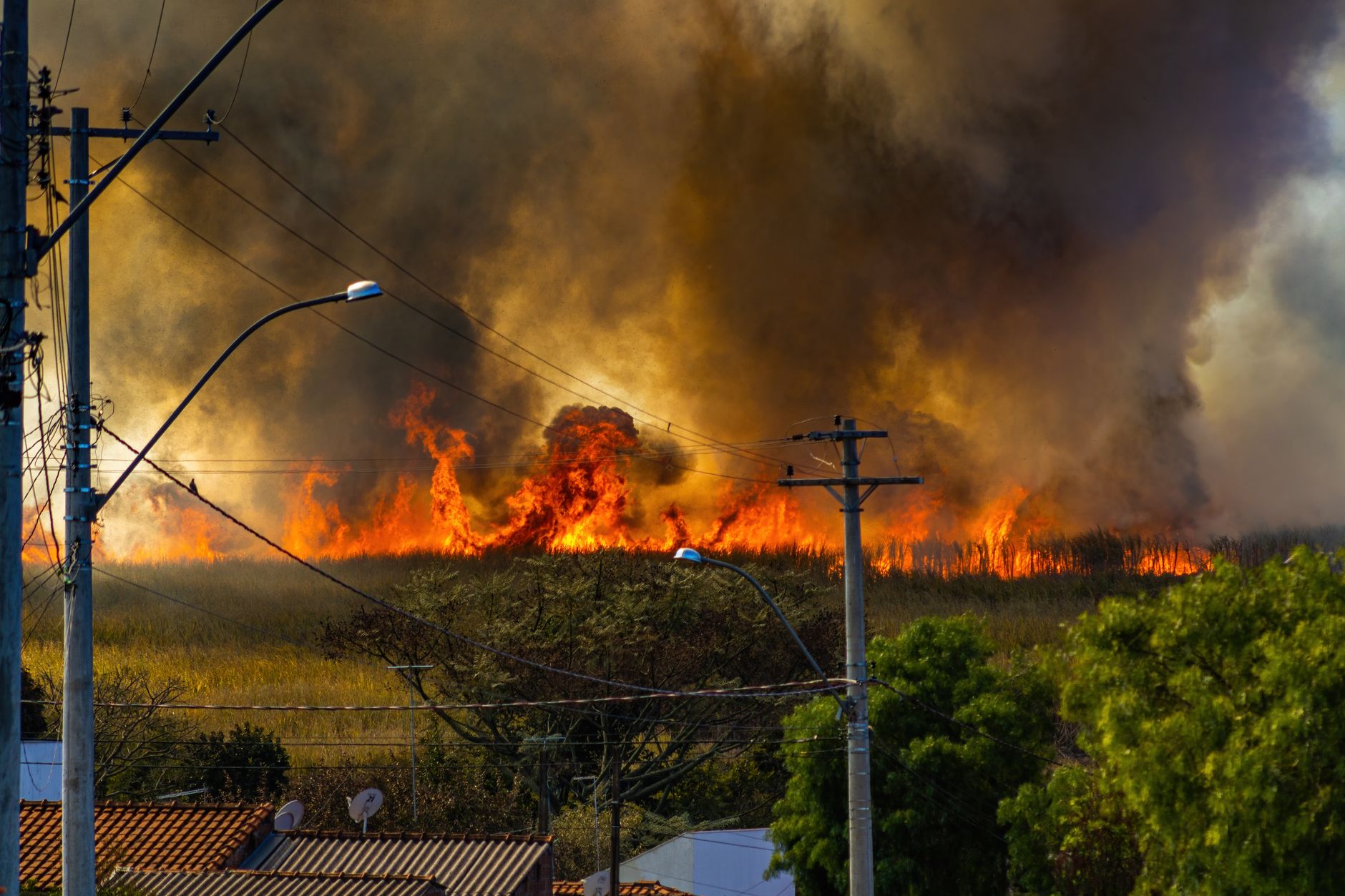
California’s two largest utility companies, PG&E and Edison, are warning lawmakers they will take action to protect their shareholders if new legislation doesn't limit their liability for devastating wildfires. This high-stakes threat comes as the state Legislature reconvenes, facing immense pressure to address the rising costs of fires, many sparked by utility equipment. The debate highlights a critical challenge for California: ensuring utility accountability for environmental damage while maintaining a stable energy grid. With recent fires like the Eaton blaze causing billions in damages, the outcome of this legislative battle will significantly impact customers and the future of wildfire prevention.
The chief executives of Pacific Gas & Electric and Edison International have stated they will take measures to safeguard their companies' finances if state lawmakers don't reduce their wildfire liability. PG&E CEO Patti Poppe hinted at actions to protect shareholder money, previously suggesting buying back company shares, which could boost stock prices but reduce funds for California programs. Edison CEO Pedro Pizarro echoed this, saying legislation without a protective framework would "influence how we prioritize and deploy future capital" and could lead to credit downgrades, potentially raising customer bills.
This urgency follows a recent investigation into last year’s devastating Eaton fire that squarely blamed Edison’s aging transmission line, which had been idle since 1971. This single incident destroyed over 9,000 homes and other structures, claiming 19 lives and causing widespread environmental devastation. Such catastrophes underscore the urgent need for utilities to maintain safe and modern infrastructure to protect communities and precious natural resources from the escalating threat of wildfires.
Governor Gavin Newsom and legislators are currently working on a bill package, drawing on recommendations from a study he ordered last year. The final report, which didn’t focus on utility responsibility, suggested ways to reduce liability costs. These controversial ideas include potentially capping attorney fees for victims, reducing payments for non-economic damages, and ending the requirement for utilities to reimburse property insurers for damages from fires they cause. Critics argue such measures would increase premiums for homeowners and shift the financial burden from utilities, which often profit immensely, onto the public, undermining environmental protection efforts.
Edison, despite facing thousands of lawsuits from the Eaton fire and paying over $1 billion to victims, expects its shareholders to pay little due to existing utility protections. In fact, Edison’s profits soared by over 200% last year, and CEO Pizarro received $16.6 million in compensation. A coalition of wildfire survivors, including the Every Fire Survivors Network, has written to Governor Newsom demanding legislation that holds utilities accountable. This stark contrast, highlighted by wildfire survivor groups, raises serious questions about who bears the true cost of these environmental disasters. They emphasize that companies repeatedly causing catastrophic harm must be held accountable to prevent future tragedies and build a more resilient, sustainable California.