Can Congress End Mobile Bay's Harmful 'Mud Dumping'?

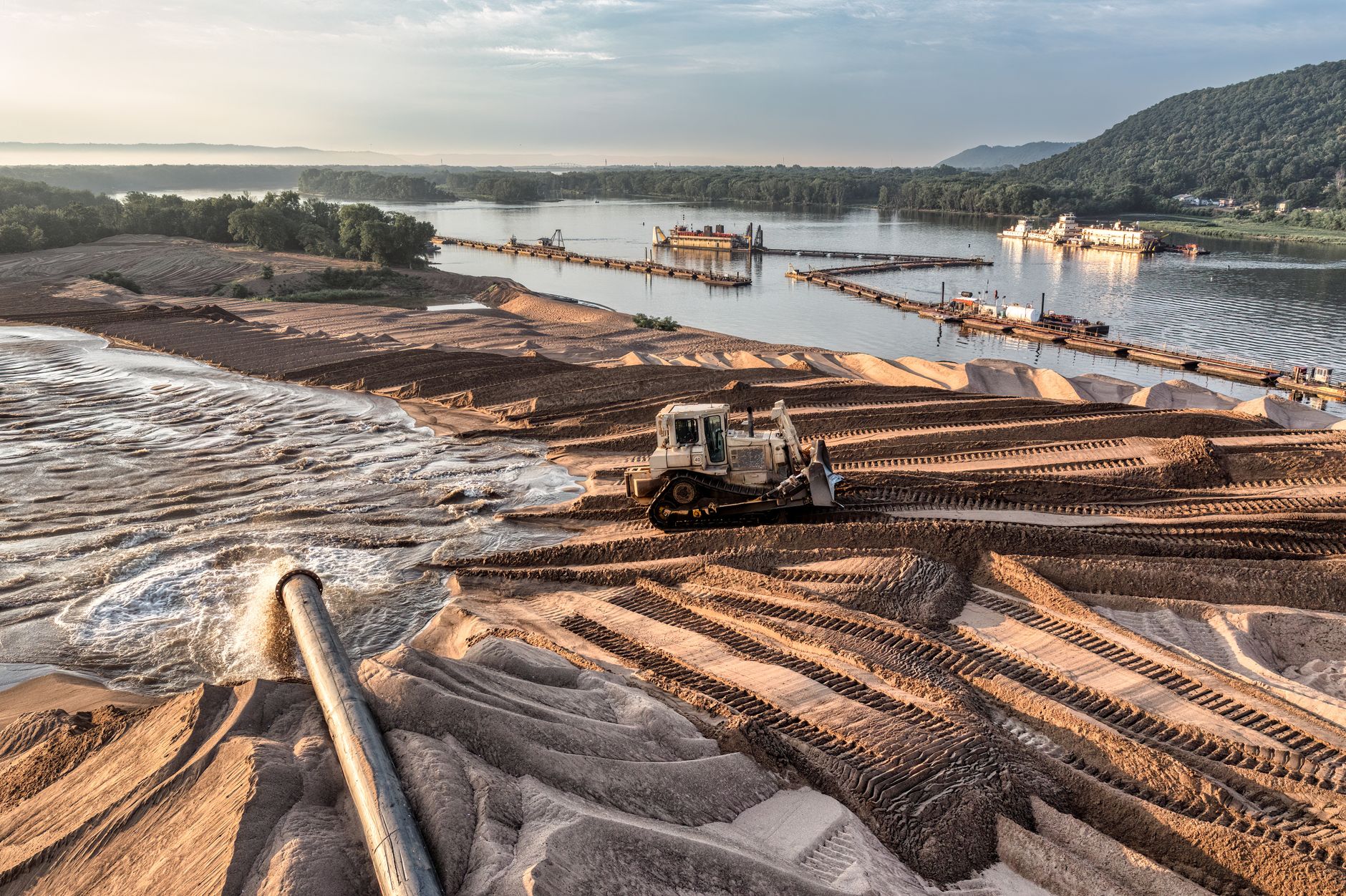
For decades, Mobile Bay's vital ecosystem has been under threat from a practice called "thin-layer placement," where sediment from ship channel dredging is spread across its waters. This process has led to significant environmental damage, harming crucial seagrasses, smothering oyster beds, and clouding the bay. Now, a key federal bill advancing through Congress aims to ban this controversial practice. This legislative push offers renewed hope for the bay's recovery and highlights the urgent need to protect our natural aquatic environments.
For years, residents, fishers, and environmental advocates have voiced serious concerns about the health of Mobile Bay. A specific practice by the U.S. Army Corps of Engineers, known as “thin-layer placement,” has drawn criticism for its impact. This method involves spraying sediment from ongoing dredging operations across the bay, a process that many argue is detrimental to the environment.
The consequences have been severe. The dispersed sediment has been observed to smother critical seagrasses, which are essential habitats for diverse marine life, and to choke out oysters, vital for both the ecosystem and local seafood industries. The once-clear waters become cloudy, blocking sunlight and disrupting the bay’s delicate balance. Organizations like Mobile Baykeeper have consistently pointed out the reduction in marine life in areas affected by this sediment dispersal.
However, a significant legislative effort is now underway to address this issue. U.S. Representative Shomari Figures (D-Ala.) has introduced an amendment to the Water Resources Development Act of 2026 (WRDA) that would largely prohibit the Army Corps from continuing this practice. Figures stated that the amendment would effectively remove the option for the Corps to "just spray it across the bay" [Inside Climate News]. Exceptions would be made only for emergencies or when no timely alternatives exist.
While the Army Corps has historically viewed this sediment dispersal as a “beneficial use” to the ecosystem, aiming to deposit 6 to 12 inches across the bay [U.S. Army Corps of Engineers Mobile District], this perspective is increasingly challenged. Alabama already passed a state law in February [Alabama Reporter] that curtails the practice, specifically excluding thin-layer placement from being considered beneficial use. The federal bill strengthens these protections.
This congressional effort has strong bipartisan support. Senator Katie Britt (R-Ala.) has also been a vocal advocate for more responsible management of dredged material, suggesting it be used for purposes like habitat restoration, beach nourishment, and wetland creation [Senator Katie Britt]. The WRDA bill, which includes the ban on harmful sediment dispersal and an additional $50 million for other crucial infrastructure projects—like addressing wastewater challenges in Alabama’s Black Belt region—has already passed unanimously through the House Transportation and Infrastructure Committee [House Transportation and Infrastructure Committee]. Lawmakers are optimistic it will move swiftly through the full House and secure Senate approval, marking a pivotal moment for environmental protection in Mobile Bay and other coastal areas.
Local environmental groups are thrilled by the progress. William Strickland of Mobile Baykeeper expressed satisfaction with the language in the bill and the community’s collective effort to unite elected officials across party lines on this critical environmental issue.