Canada's $50 Billion Clean Energy Plan: A New Era?

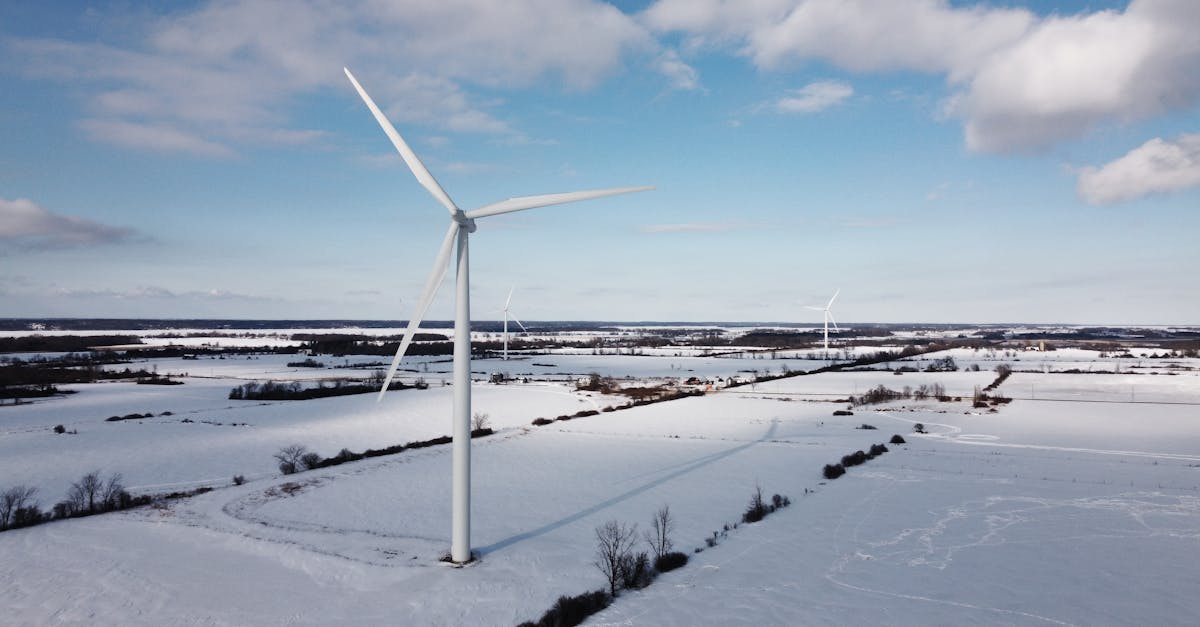
Canada is embarking on North America's largest clean energy investment, a $50 billion plan focused on expanding hydropower and developing new wind farms. This ambitious project aims to secure Canada's electricity needs, boost energy affordability for citizens, and export clean power to the northeastern United States. By significantly increasing its renewable energy capacity, Canada is taking a bold step towards a sustainable future, underscoring the vital shift away from fossil fuels and towards electrification in the fight against climate change. This initiative highlights the growing global commitment to green solutions.
Canadian Prime Minister Mark Carney has unveiled an ambitious plan to invest about $50 billion U.S. ($70 billion Canadian) in clean energy projects across the nation. This significant investment is hailed as North America's largest, focusing on hydropower, onshore wind, and new transmission lines primarily in Newfoundland and Labrador. The goal is to meet Canada’s own electricity demands while also exporting clean power to states like Massachusetts and New York, helping to green the North American grid.
The plan includes upgrading the Churchill Falls hydropower plant to boost its capacity significantly and developing a new 2,700-megawatt Gull Island hydropower plant. Additionally, Canada aims to build 2,000 megawatts of new onshore wind capacity and construct two new transmission lines. These projects are not just about producing more electricity; they are about enhancing energy independence, stabilizing pricing, and reducing reliance on fossil fuels that contribute to global warming.
This move represents a crucial commitment to electrification and sustainable solutions, especially at a time when climate action is more urgent than ever. By investing heavily in renewable sources, Canada is demonstrating a pathway to cleaner air and a more stable climate. An important aspect of this plan is the partnership with Indigenous leaders, offering the Innu Nation an opportunity for partial ownership in the wind and transmission projects, a progressive step compared to past agreements.
The economic benefits are clear, with projections showing significant savings for households in Newfoundland and Labrador through electricity rebates. These transmission projects are also critical, allowing clean power to flow more easily and affordably across regions. While Canada maintains a complex energy strategy that still includes oil production, this massive investment in clean energy undeniably highlights the country's dedication to a future powered by sustainable, environmentally friendly sources, setting a powerful example for other nations grappling with climate challenges.