Canada's C$1 Trillion Bet: Can It Fuel the Green Energy Future?

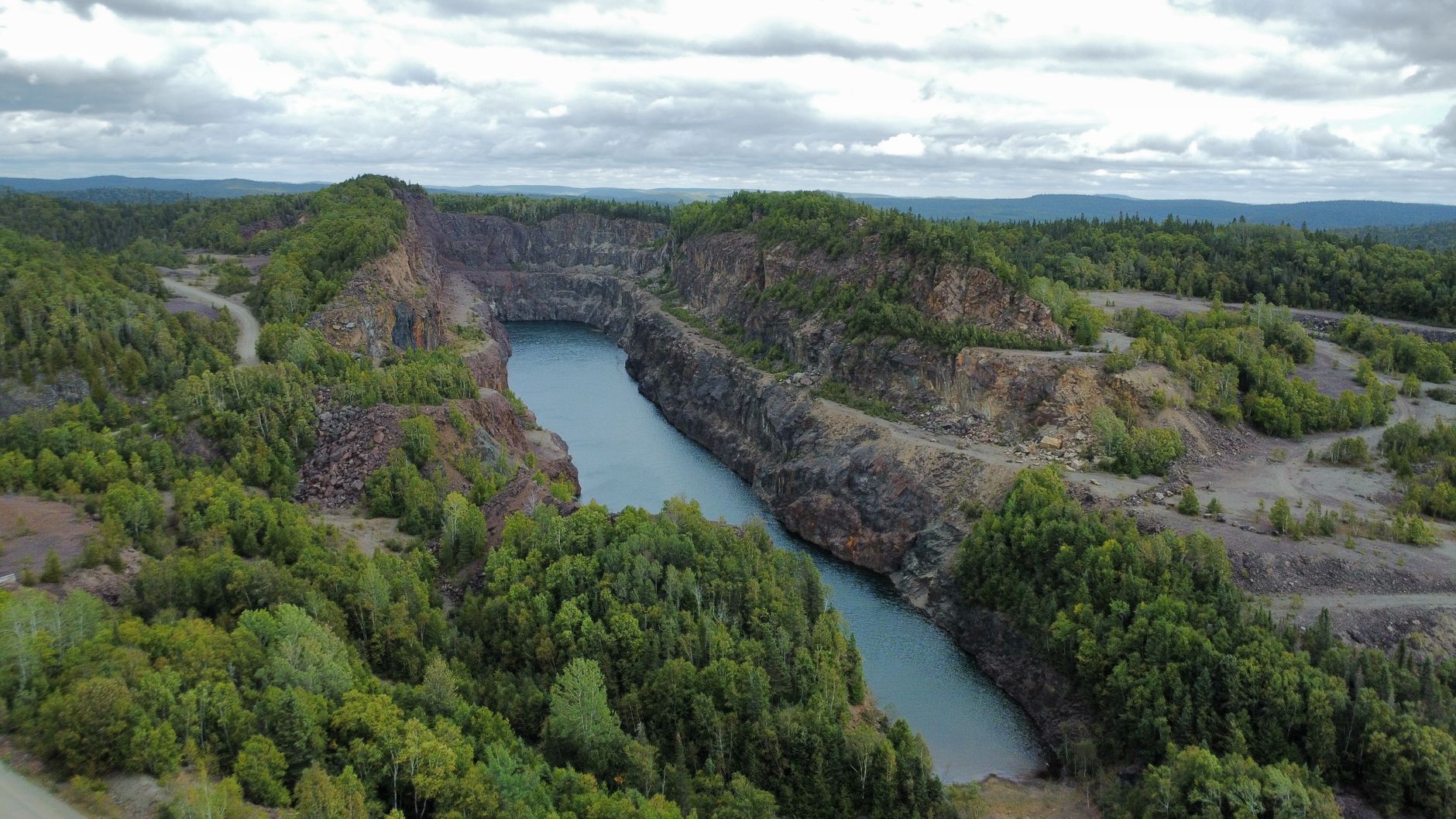
Canada has launched an ambitious initiative, the Canada Investment Summit 2026, aiming to attract C$1 trillion in global investments over five years. At the core of this plan is a significant focus on critical minerals, essential for electric vehicles, renewable energy, and other clean technologies. With 63 mining and metals projects highlighted, the nation seeks to become a key player in diversifying global supply chains. This strategic push is crucial for accelerating the worldwide shift towards sustainable solutions, but it also underscores the vital need to manage the environmental impact of increased mining activities responsibly.
Canada's recent Investment Summit showcased a bold vision, placing mining and critical minerals at the forefront of its drive to attract C$1 trillion in global investment. Out of 167 projects presented, a striking 63 are dedicated to mining and metals, signaling a major commitment to securing the resources vital for our future. These include copper, lithium, and graphite – elements indispensable for the batteries powering electric vehicles and the infrastructure supporting renewable energy. This initiative comes as countries worldwide race to build more resilient supply chains for these crucial materials, moving away from relying on just a few sources.
While Canada already boasts a substantial mining sector, producing over 60 minerals worth C$64.3 billion in 2024, developing new sites requires significant capital and careful planning. The government is stepping in to help, with examples like the Canada Growth Fund's C$140 million commitment to the Marathon Project for copper and palladium. Another key player, Frontier Lithium, is advancing its PAK Lithium Project, aiming to supply the growing global demand for battery components. These efforts are not just about extraction; they're about establishing a complete domestic supply chain, from earth to manufacturing, which is critical for the global energy transition.
However, expanding mining operations also presents an environmental challenge. As the world confronts the urgency of global warming, ensuring that new production keeps its ecological footprint under tight control is paramount. While Canada's total greenhouse gas emissions were approximately 685 million tonnes in 2024, the mining sector's direct stationary combustion emissions were relatively small, around 5.5 million tonnes of CO2e, according to Canada's National Inventory Report released in 2026. It’s important to distinguish mining's impact from that of larger industries like oil and gas, which are often grouped together in broader reporting.
Canada holds a unique advantage in this green race: abundant low-carbon electricity from hydroelectric and nuclear sources. This clean energy can power mines and processing facilities, significantly reducing the carbon footprint of critical mineral production. For investors and manufacturers increasingly focused on sustainability, this "green mineral" advantage could make Canadian resources more appealing. Ultimately, Canada's goal is to scale up its critical mineral production quickly and efficiently, while rigorously upholding environmental protection, transforming mineral wealth into a pillar of lower-carbon growth for itself and the world.