Canada's C$560 Million Bet on Forests: What it Means for the Planet

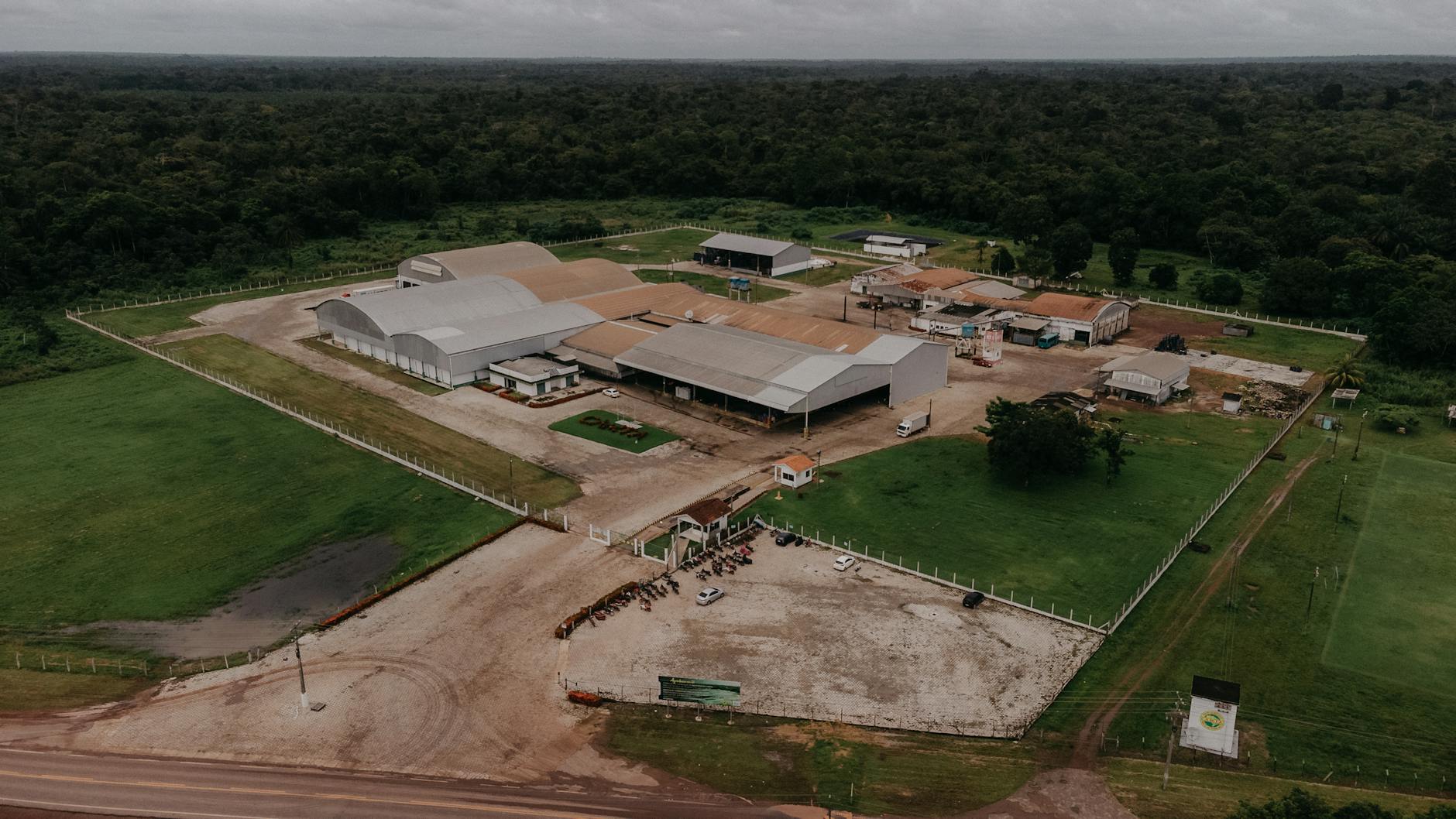
Canada has pledged up to C$560 million over four years to the Tropical Forest Forever Facility (TFFF), a global initiative designed to reward countries for protecting vital tropical forests. This significant commitment underscores the urgent need for global environmental action, recognizing that these forests are crucial carbon sinks and biodiversity hotspots. By linking financial support to verified conservation results, the TFFF aims to create a lasting incentive for nations to preserve these irreplaceable ecosystems, directly supporting climate goals and the well-being of communities worldwide.
Prime Minister Mark Carney announced Canada’s commitment to the TFFF, a maximum loan provided from the country's existing international climate finance budget. This pledge aligns with Canada's broader goal of providing over C$13 billion in climate-related finance to developing countries by 2031, supporting global efforts to protect nature and address climate change.
The Tropical Forest Forever Facility, launched by Brazil and Norway at COP30, seeks to make standing tropical forests financially valuable. It aims to protect over a billion hectares across more than 70 countries. The TFFF uses an innovative investment model where public and private capital generates returns that fund annual payments to countries based on their verified forest cover and conservation success. Countries that maintain their forests receive payments, while deforestation can lead to deductions.
A key aspect of the TFFF is its requirement that at least 20% of these payments go directly to Indigenous Peoples and local communities. This recognizes their historical role as guardians of these ecosystems and addresses the long-standing challenge of ensuring climate finance reaches those on the front lines of conservation.
The TFFF is ambitious, aiming to raise US$10 billion in initial sponsor capital by the end of 2026, with a vision to mobilize up to US$140 billion in private investment. Several nations, including Norway, Brazil, Germany, France, and the UK, have already announced significant pledges, highlighting growing international resolve to protect these crucial natural assets.
The urgency for such action is clear. Despite some progress, tropical forests continue to face immense pressure from agriculture, logging, and fires. According to the World Resources Institute (WRI), the world lost millions of hectares of tropical primary rainforest in 2025, contributing significantly to greenhouse gas emissions. These forests absorb vast amounts of carbon dioxide, regulate rainfall, protect soils, and support immense biodiversity, making their preservation essential for a stable global climate and countless livelihoods.
It's important to note that the TFFF differs from traditional carbon credit markets. It doesn't issue carbon credits or offsets but rather provides direct payments to countries for national-level forest protection results. This approach aims to address the economic pressures that often lead to deforestation by making conservation a financially viable choice for forest nations.
While Canada’s pledge adds significant momentum, challenges remain in securing full funding, attracting private investors, and building robust systems to monitor forest conditions across many countries. Transparent reporting and strong safeguards are crucial to ensuring funds effectively protect these vital ecosystems. The TFFF represents a powerful, collective effort to give tropical countries a lasting financial incentive to keep their forests standing, a critical step in the global fight against climate change and biodiversity loss.